
AI Physiotherapy App Revolutionizes Back Pain Treatment in NHS Pilot
In This Article
HIGHLIGHTS
- An AI-powered physiotherapy app has reduced NHS waiting lists for back pain treatment by 55% in Cambridgeshire and Peterborough.
- The app, developed by Flok Health, saved 856 hours of clinician time monthly, allowing focus on more complex cases.
- 98% of patients were treated and discharged digitally, with 80% finding the app as effective or better than face-to-face care.
- The Chartered Society of Physiotherapy cautions against potential health inequalities and emphasizes the need for more physiotherapy staff.
- The app's success highlights the potential of AI in healthcare, though concerns about workforce integration remain.
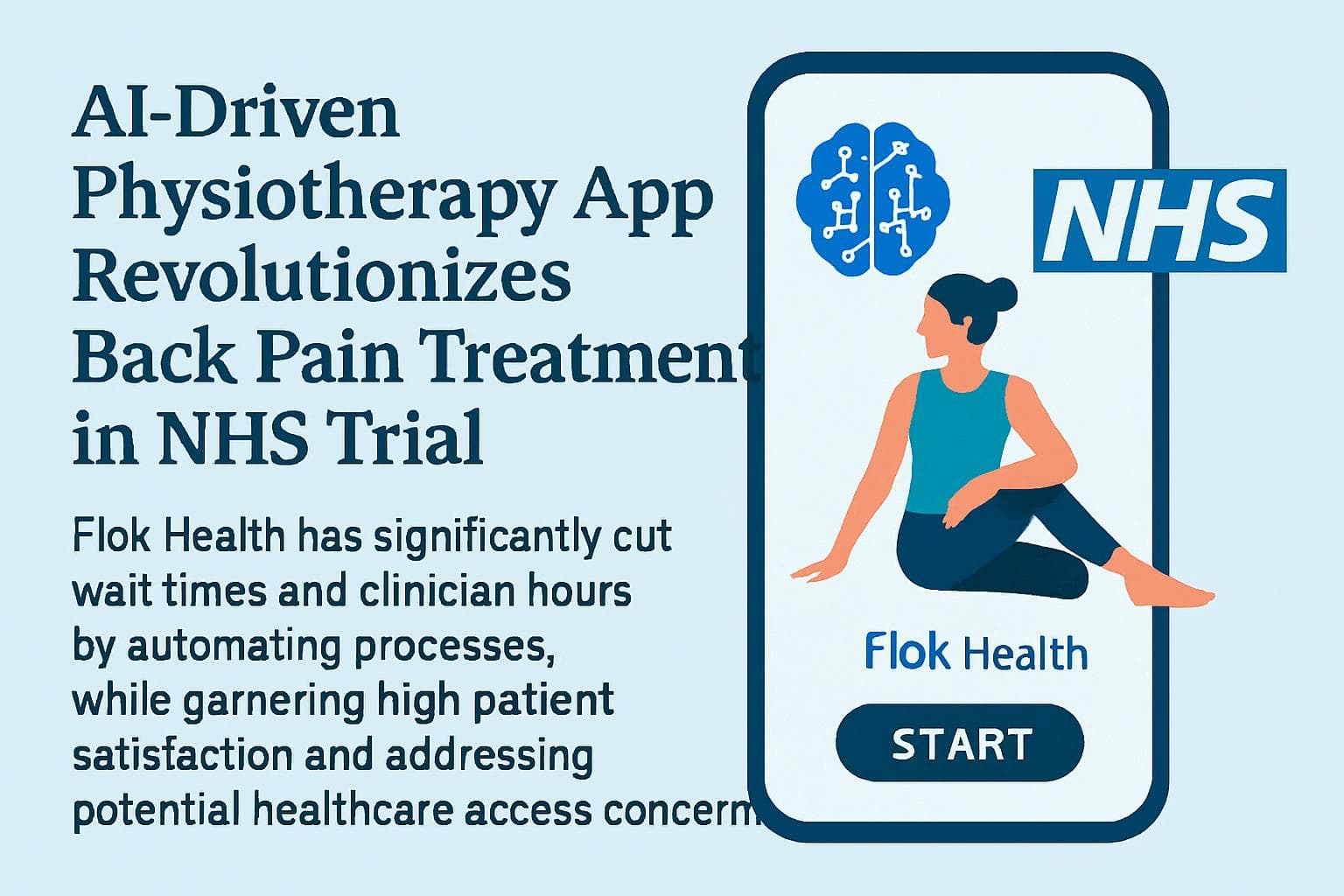
An innovative AI-driven physiotherapy app has significantly reduced waiting times for back pain treatment in the NHS, according to a recent trial in Cambridgeshire and Peterborough. The app, developed by Cambridge-based Flok Health, has cut waiting lists by 55%, offering a promising solution to the chronic issue of delayed care in musculoskeletal (MSK) services.
Transforming Patient Care
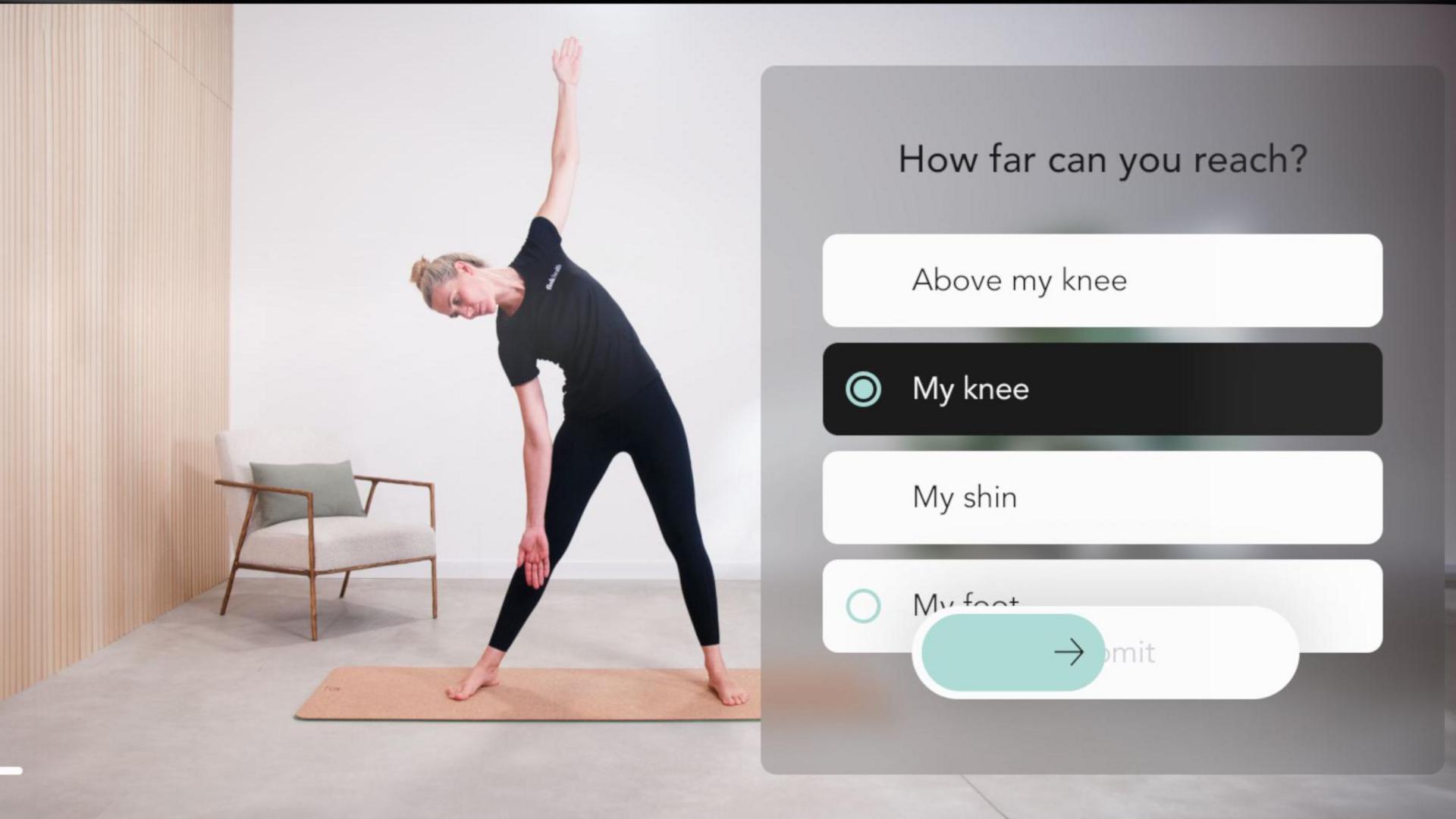
The three-month trial, conducted by Cambridgeshire Community Services NHS Trust, involved over 2,500 patients and demonstrated the app's potential to revolutionize patient care. By automating the triage, treatment, and discharge processes, the app saved approximately 856 hours of clinician time each month. This allowed healthcare professionals to concentrate on more complex cases, addressing a significant bottleneck in the system.
Jayne Davies, the clinical lead for MSK services at the trust, highlighted the app's impact, stating, "A third of our workload is lower back pain and demand outstrips capacity. If rolled out thoughtfully, this could be a game-changer for patients and the NHS."
Patient Experiences and Feedback
Patients like Annys Bossom and Sharon McMahon shared positive experiences with the app. Bossom, who has suffered from back pain for 25 years, found the app's exercises more effective and engaging than traditional methods. McMahon, a primary school teacher, was able to start treatment the same day she accessed the app, significantly reducing her recovery time.
The app's success is further underscored by data showing that 98% of patients were assessed, treated, and discharged digitally, with 80% rating the app as equivalent to or better than face-to-face care.
Addressing Concerns and Future Implications
Despite the app's success, the Chartered Society of Physiotherapy (CSP) has raised concerns about potential health inequalities. John Cowman, CSP's chief executive, emphasized the need for a balanced approach, stating, "AI will certainly play an increasing role in healthcare, but should be run in conjunction with increasing the physiotherapy workforce."
The app, which is the first of its kind to be regulated by the Care Quality Commission, highlights the potential of digital healthcare solutions in addressing systemic challenges. However, the integration of AI into healthcare services must be carefully managed to ensure equitable access and support for all patients.
WHAT THIS MIGHT MEAN
The success of the AI physiotherapy app in reducing waiting times could pave the way for broader implementation across the NHS, potentially transforming how musculoskeletal disorders are managed. However, the concerns raised by the CSP highlight the need for strategic workforce planning to ensure that AI complements rather than replaces human expertise. As healthcare systems increasingly adopt digital solutions, balancing technological innovation with workforce development will be crucial to maximizing benefits while minimizing disparities.
Images from the Web
Related Articles

Persistent Safety Concerns in Nottingham Maternity Services Amidst Calls for Systemic Reform

England Proposes Vaping Ban in Cars with Children to Protect Public Health
UK Government Unveils Ambitious Cancer Survival Plan Amid NHS Improvements

Nottingham Attacks Inquiry: Families Demand Accountability and Truth

Birmingham's Proactive Approach to Measles Outbreak Offers Lessons for North London

Supreme Court Ruling Expands Compensation for Children Injured at Birth
AI Physiotherapy App Revolutionizes Back Pain Treatment in NHS Pilot
In This Article
 Maya Singh| Published
 HIGHLIGHTS
- An AI-powered physiotherapy app has reduced NHS waiting lists for back pain treatment by 55% in Cambridgeshire and Peterborough.
- The app, developed by Flok Health, saved 856 hours of clinician time monthly, allowing focus on more complex cases.
- 98% of patients were treated and discharged digitally, with 80% finding the app as effective or better than face-to-face care.
- The Chartered Society of Physiotherapy cautions against potential health inequalities and emphasizes the need for more physiotherapy staff.
- The app's success highlights the potential of AI in healthcare, though concerns about workforce integration remain.
An innovative AI-driven physiotherapy app has significantly reduced waiting times for back pain treatment in the NHS, according to a recent trial in Cambridgeshire and Peterborough. The app, developed by Cambridge-based Flok Health, has cut waiting lists by 55%, offering a promising solution to the chronic issue of delayed care in musculoskeletal (MSK) services.
Transforming Patient Care
The three-month trial, conducted by Cambridgeshire Community Services NHS Trust, involved over 2,500 patients and demonstrated the app's potential to revolutionize patient care. By automating the triage, treatment, and discharge processes, the app saved approximately 856 hours of clinician time each month. This allowed healthcare professionals to concentrate on more complex cases, addressing a significant bottleneck in the system.
Jayne Davies, the clinical lead for MSK services at the trust, highlighted the app's impact, stating, "A third of our workload is lower back pain and demand outstrips capacity. If rolled out thoughtfully, this could be a game-changer for patients and the NHS."
Patient Experiences and Feedback
Patients like Annys Bossom and Sharon McMahon shared positive experiences with the app. Bossom, who has suffered from back pain for 25 years, found the app's exercises more effective and engaging than traditional methods. McMahon, a primary school teacher, was able to start treatment the same day she accessed the app, significantly reducing her recovery time.
The app's success is further underscored by data showing that 98% of patients were assessed, treated, and discharged digitally, with 80% rating the app as equivalent to or better than face-to-face care.
Addressing Concerns and Future Implications
Despite the app's success, the Chartered Society of Physiotherapy (CSP) has raised concerns about potential health inequalities. John Cowman, CSP's chief executive, emphasized the need for a balanced approach, stating, "AI will certainly play an increasing role in healthcare, but should be run in conjunction with increasing the physiotherapy workforce."
The app, which is the first of its kind to be regulated by the Care Quality Commission, highlights the potential of digital healthcare solutions in addressing systemic challenges. However, the integration of AI into healthcare services must be carefully managed to ensure equitable access and support for all patients.
WHAT THIS MIGHT MEAN
The success of the AI physiotherapy app in reducing waiting times could pave the way for broader implementation across the NHS, potentially transforming how musculoskeletal disorders are managed. However, the concerns raised by the CSP highlight the need for strategic workforce planning to ensure that AI complements rather than replaces human expertise. As healthcare systems increasingly adopt digital solutions, balancing technological innovation with workforce development will be crucial to maximizing benefits while minimizing disparities.
Images from the Web
Related Articles
Persistent Safety Concerns in Nottingham Maternity Services Amidst Calls for Systemic Reform
England Proposes Vaping Ban in Cars with Children to Protect Public Health
UK Government Unveils Ambitious Cancer Survival Plan Amid NHS Improvements
Nottingham Attacks Inquiry: Families Demand Accountability and Truth
Birmingham's Proactive Approach to Measles Outbreak Offers Lessons for North London
Supreme Court Ruling Expands Compensation for Children Injured at Birth