
National Guardsman Andrew Wolfe's Recovery Progresses Amidst Immigration Policy Changes
In This Article
HIGHLIGHTS
- National Guardsman Andrew Wolfe is recovering from a head wound after a shooting in Washington DC on November 26.
- The shooting resulted in the death of Sarah Beckstrom, Wolfe's colleague in the West Virginia National Guard.
- Suspect Rahmanullah Lakanwal, an Afghan national, has been charged with first-degree murder and assault with intent to kill.
- The Trump administration has responded by implementing stricter immigration policies, affecting asylum seekers from 19 countries.
- Wolfe's family remains hopeful about his recovery, expecting him to stay in acute care for two to three more weeks.
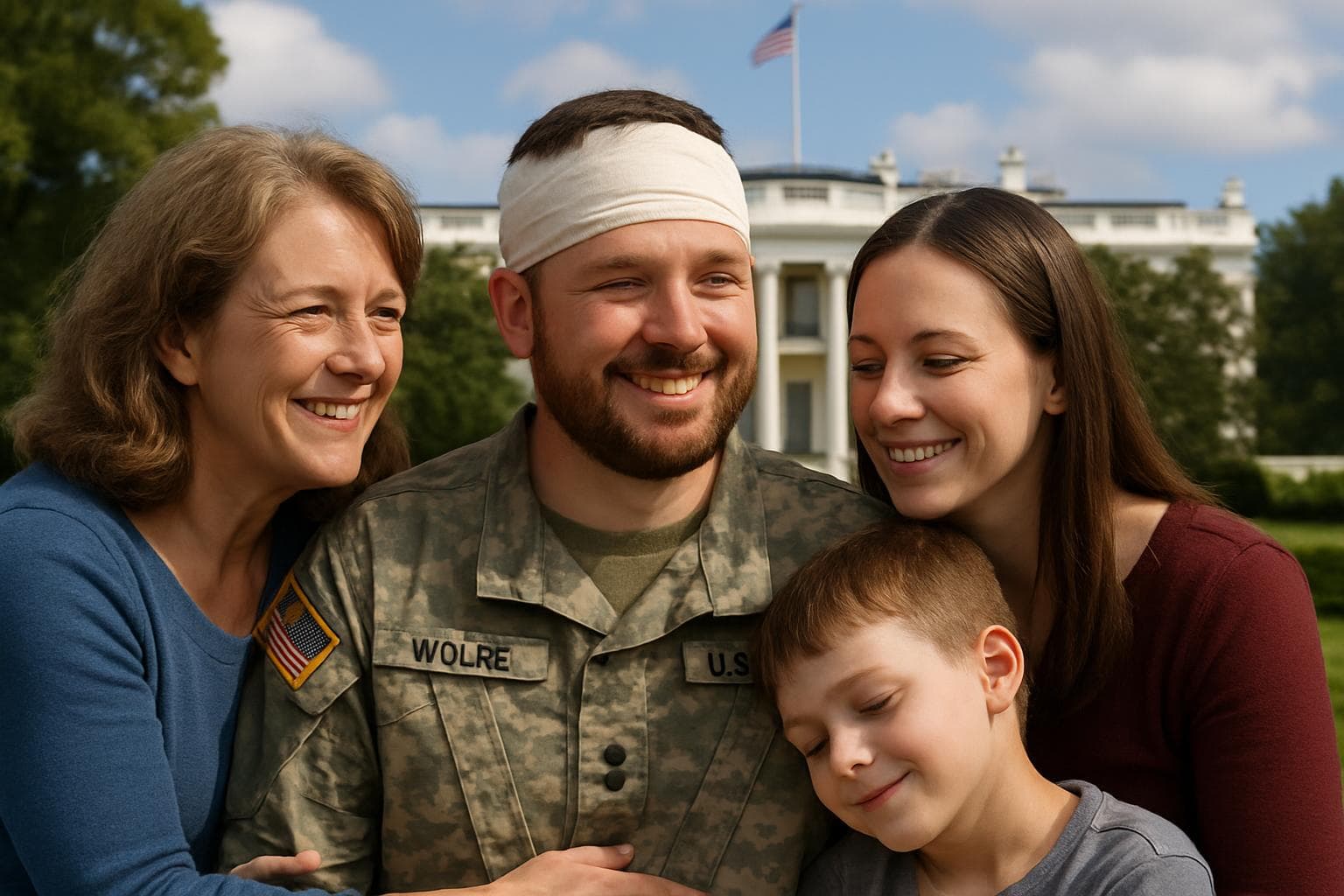
Andrew Wolfe, a 24-year-old National Guardsman from West Virginia, is making a slow but hopeful recovery after being critically injured in a shooting near the White House on November 26. The incident, which also claimed the life of his colleague, Sarah Beckstrom, 20, has prompted significant policy responses from the Trump administration.
Wolfe's Recovery and Family's Hope
West Virginia Governor Patrick Morrisey has shared updates on Wolfe's condition, stating that his head wound is healing, and he is beginning to "look more like himself." Wolfe's parents, Jason and Melody, expressed gratitude for the global support and prayers, acknowledging the long road ahead. Wolfe is expected to remain in acute care for another two to three weeks.
Details of the Shooting Incident
The tragic event unfolded as Wolfe and Beckstrom patrolled Washington DC, part of a deployment initiated by the Trump administration to address what it termed a "crime emergency." The suspect, Rahmanullah Lakanwal, an Afghan national who entered the US in 2021, has been charged with first-degree murder and assault with intent to kill. Lakanwal previously served in a CIA-backed Afghan counterterrorism unit known as the "Zero Unit."
Trump Administration's Immigration Response
In the wake of the shooting, the Trump administration has announced a series of restrictive immigration measures. These include halting asylum processes for Afghan nationals and pausing immigration applications from 19 countries, including Afghanistan. The administration has attributed these actions to security concerns, citing the incident as a catalyst for the policy shift.
WHAT THIS MIGHT MEAN
The shooting involving Andrew Wolfe has not only impacted his life and that of his family but has also influenced national immigration policy. As Wolfe continues his recovery, the broader implications of the Trump administration's response could lead to increased scrutiny and debate over immigration policies, particularly concerning asylum seekers from conflict zones. Legal experts suggest that these policy changes may face challenges in courts, potentially affecting future immigration and asylum procedures in the United States.
Related Articles
Don Lemon Pleads Not Guilty in Minnesota Church Protest Case
Spain's Sánchez Stands Firm Against Trump's Trade Threat Over Iran Stance
Trump Criticizes Supreme Court After Tariff Ruling, Imposes New Global Tariff
US-Iran Tensions Escalate Amid Military Buildup and Diplomatic Talks

US Military Strikes on Alleged Drug Boats Raise Legal Concerns
Geneva Peace Talks: Russia and Ukraine Seek Resolution Amid Ongoing Conflict
National Guardsman Andrew Wolfe's Recovery Progresses Amidst Immigration Policy Changes
In This Article
 Ethan Brooks| Published
 HIGHLIGHTS
- National Guardsman Andrew Wolfe is recovering from a head wound after a shooting in Washington DC on November 26.
- The shooting resulted in the death of Sarah Beckstrom, Wolfe's colleague in the West Virginia National Guard.
- Suspect Rahmanullah Lakanwal, an Afghan national, has been charged with first-degree murder and assault with intent to kill.
- The Trump administration has responded by implementing stricter immigration policies, affecting asylum seekers from 19 countries.
- Wolfe's family remains hopeful about his recovery, expecting him to stay in acute care for two to three more weeks.
Andrew Wolfe, a 24-year-old National Guardsman from West Virginia, is making a slow but hopeful recovery after being critically injured in a shooting near the White House on November 26. The incident, which also claimed the life of his colleague, Sarah Beckstrom, 20, has prompted significant policy responses from the Trump administration.
Wolfe's Recovery and Family's Hope
West Virginia Governor Patrick Morrisey has shared updates on Wolfe's condition, stating that his head wound is healing, and he is beginning to "look more like himself." Wolfe's parents, Jason and Melody, expressed gratitude for the global support and prayers, acknowledging the long road ahead. Wolfe is expected to remain in acute care for another two to three weeks.
Details of the Shooting Incident
The tragic event unfolded as Wolfe and Beckstrom patrolled Washington DC, part of a deployment initiated by the Trump administration to address what it termed a "crime emergency." The suspect, Rahmanullah Lakanwal, an Afghan national who entered the US in 2021, has been charged with first-degree murder and assault with intent to kill. Lakanwal previously served in a CIA-backed Afghan counterterrorism unit known as the "Zero Unit."
Trump Administration's Immigration Response
In the wake of the shooting, the Trump administration has announced a series of restrictive immigration measures. These include halting asylum processes for Afghan nationals and pausing immigration applications from 19 countries, including Afghanistan. The administration has attributed these actions to security concerns, citing the incident as a catalyst for the policy shift.
WHAT THIS MIGHT MEAN
The shooting involving Andrew Wolfe has not only impacted his life and that of his family but has also influenced national immigration policy. As Wolfe continues his recovery, the broader implications of the Trump administration's response could lead to increased scrutiny and debate over immigration policies, particularly concerning asylum seekers from conflict zones. Legal experts suggest that these policy changes may face challenges in courts, potentially affecting future immigration and asylum procedures in the United States.
Related Articles
Don Lemon Pleads Not Guilty in Minnesota Church Protest Case
Spain's Sánchez Stands Firm Against Trump's Trade Threat Over Iran Stance
Trump Criticizes Supreme Court After Tariff Ruling, Imposes New Global Tariff
US-Iran Tensions Escalate Amid Military Buildup and Diplomatic Talks
US Military Strikes on Alleged Drug Boats Raise Legal Concerns
Geneva Peace Talks: Russia and Ukraine Seek Resolution Amid Ongoing Conflict