
Australia's Bondi Shooting Sparks Mourning and Political Turmoil
In This Article
HIGHLIGHTS
- The Bondi shooting, Australia's worst mass shooting since 1996, claimed 15 lives during a Hanukkah celebration.
- A national day of mourning was held, marked by a minute's silence and a memorial at the Sydney Opera House.
- Political tensions have risen, with accusations of politicizing the tragedy and calls for a national inquiry into antisemitism.
- Prime Minister Anthony Albanese faced criticism for his response, including public heckling at memorial events.
- The tragedy has reignited debates on gun control and societal divisions, contrasting with the unity seen after the 1996 Port Arthur massacre.
In the wake of the Bondi Beach shooting, which left 15 people dead during a Hanukkah celebration, Australia is grappling with both grief and political discord. The attack, the deadliest since the Port Arthur massacre in 1996, has prompted a national day of mourning, yet also exposed deep societal and political rifts.
A Nation in Mourning
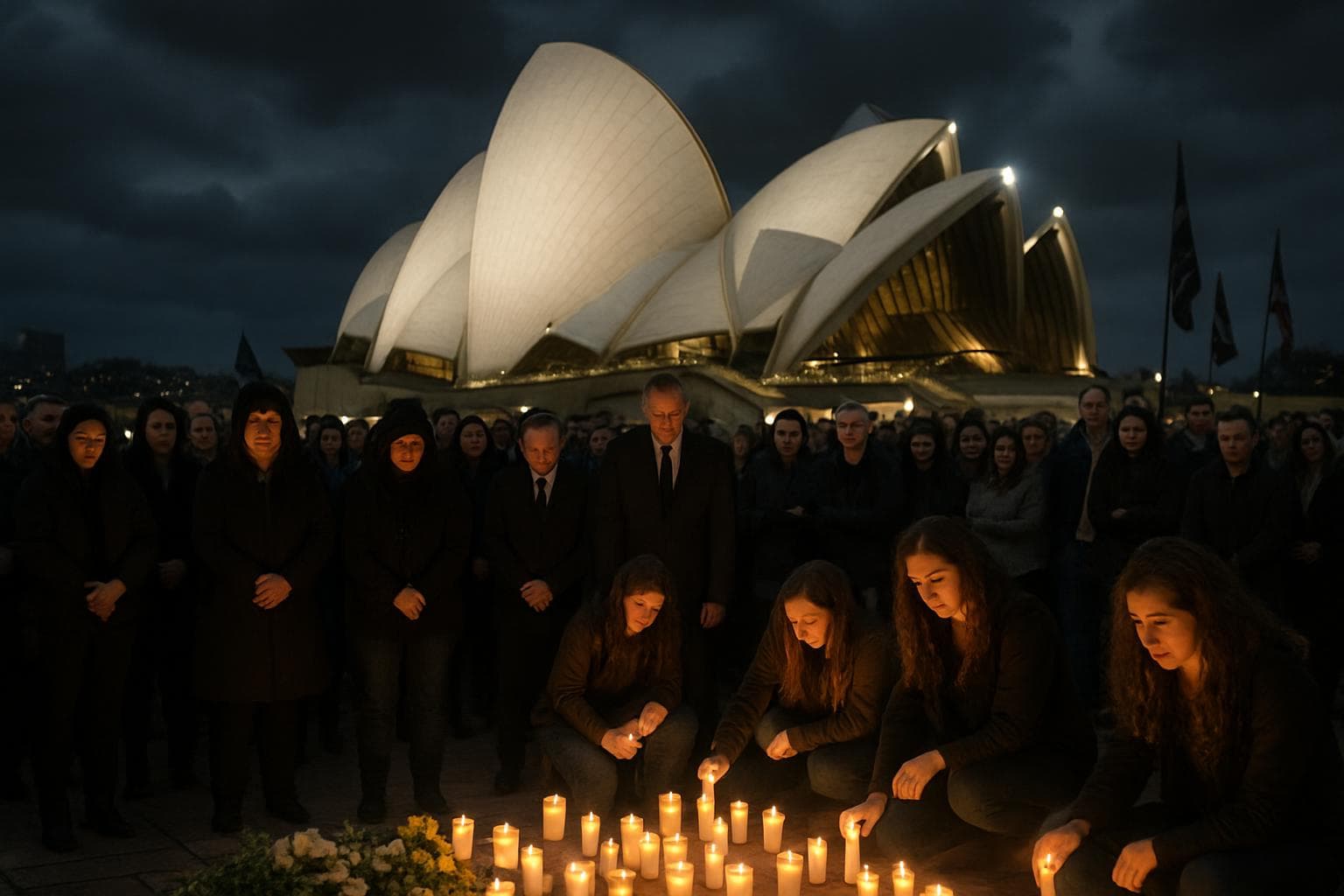
On Thursday evening, 1,500 mourners gathered at the Sydney Opera House for a solemn memorial service. The event, themed "Light Will Win," featured a poignant minute's silence observed nationwide. Family members and survivors lit 15 candles in memory of the victims, including a 10-year-old child and Holocaust survivor Alex Kleytman. The service was a moment of unity, yet outside, the city remained on high alert, with heavy police presence underscoring ongoing security concerns.
Political Fallout and Public Criticism
The tragedy has sparked a political storm, with accusations of opportunism and insensitivity. Prime Minister Anthony Albanese has been criticized for his handling of the situation, particularly his reluctance to initiate a national inquiry into antisemitism. His appearances at memorial events have been met with public heckling, reflecting widespread dissatisfaction. Political commentator Malcolm Farr noted the unfortunate timing of political disputes, which have overshadowed the mourning period.
A Divided Response
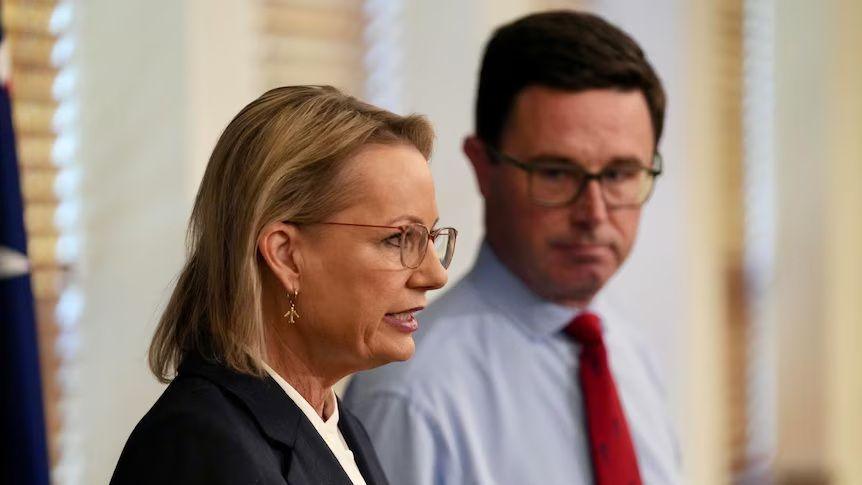
The Bondi shooting has reignited debates on gun control and societal divisions. Unlike the unified response to the Port Arthur massacre, which led to significant gun reforms, the current political climate is marked by division. John Warhurst, a political science professor, attributes this to the complex backdrop of ongoing debates over Israel, Gaza, and antisemitism. The tragedy has become a flashpoint in these broader discussions, highlighting the challenges of achieving consensus in today's Australia.
WHAT THIS MIGHT MEAN
The aftermath of the Bondi shooting could lead to significant political and social shifts in Australia. Calls for a national inquiry into antisemitism may gain momentum, potentially influencing future policy decisions. The political fallout could impact upcoming elections, as leaders navigate the complex interplay of public sentiment and policy responses. Experts suggest that the tragedy might also prompt renewed discussions on gun control, although achieving the unity seen in 1996 remains uncertain. As Australia mourns, the path forward will likely involve balancing security concerns with the need for healing and reconciliation.
Images from the Web
Related Articles
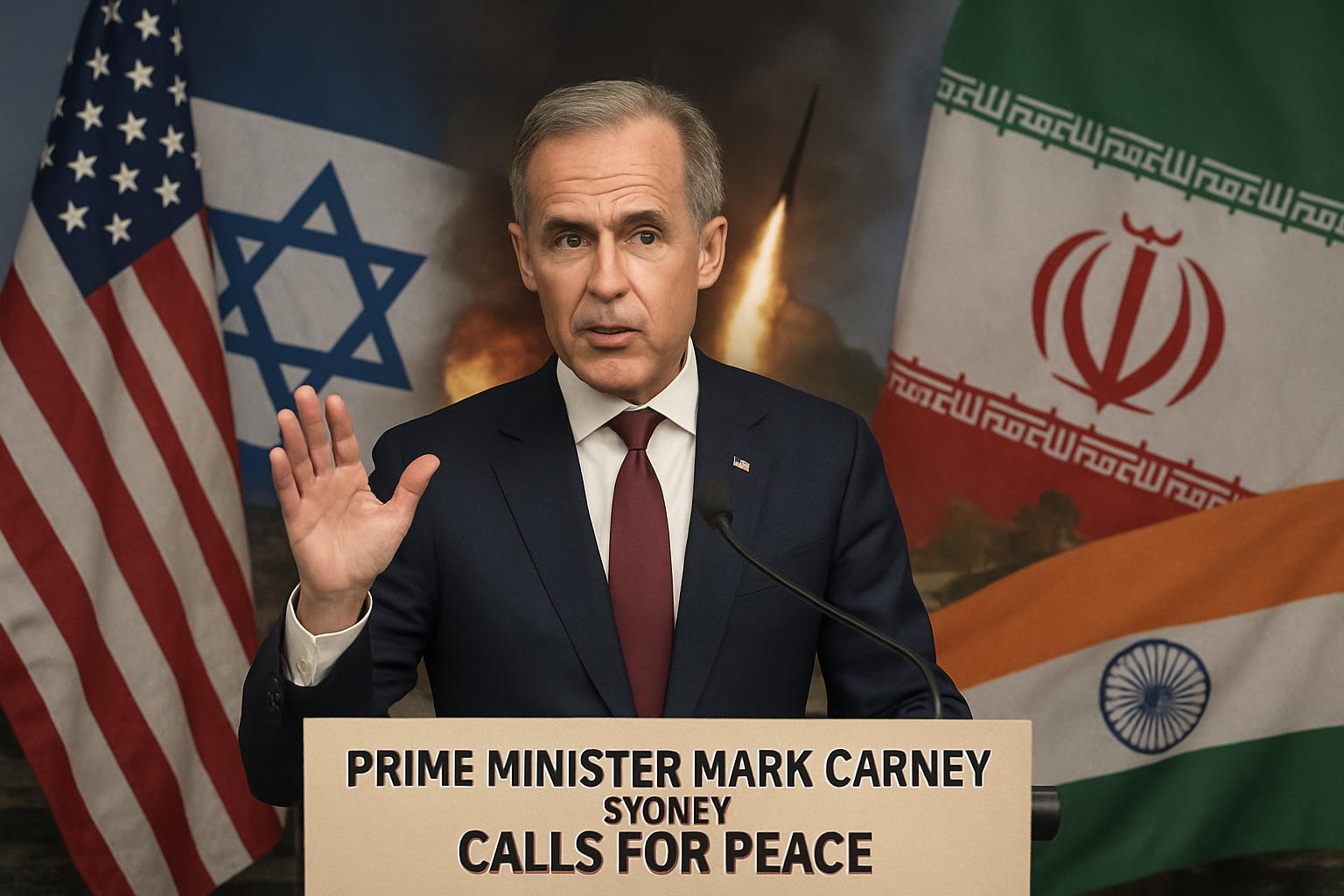
Canada Calls for De-escalation Amid US-Israel Strikes on Iran

US and Israel Intensify Military Campaign as Iran's Capabilities Dwindle
Intensified US-Israel Strikes on Iran Spark Global Outcry
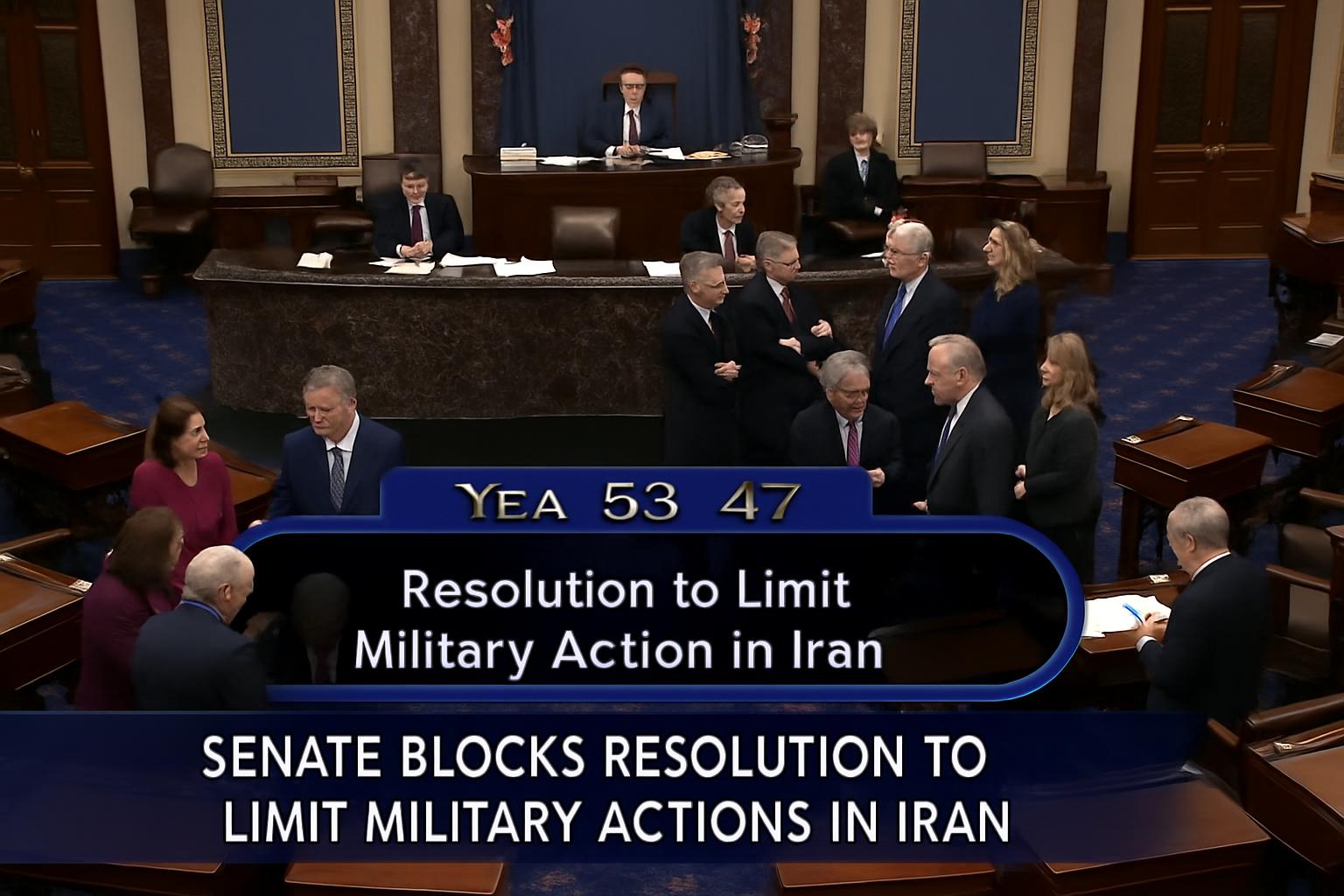
Senate Blocks Resolution to Limit Trump's Military Actions in Iran
Iran Postpones Khamenei Funeral Amid Escalating US-Israeli Strikes
Palestinian-American Teen Killed by Israeli Settlers in West Bank Sparks Calls for Accountability
Australia's Bondi Shooting Sparks Mourning and Political Turmoil
In This Article
 Ethan Brooks| Published
 HIGHLIGHTS
- The Bondi shooting, Australia's worst mass shooting since 1996, claimed 15 lives during a Hanukkah celebration.
- A national day of mourning was held, marked by a minute's silence and a memorial at the Sydney Opera House.
- Political tensions have risen, with accusations of politicizing the tragedy and calls for a national inquiry into antisemitism.
- Prime Minister Anthony Albanese faced criticism for his response, including public heckling at memorial events.
- The tragedy has reignited debates on gun control and societal divisions, contrasting with the unity seen after the 1996 Port Arthur massacre.
In the wake of the Bondi Beach shooting, which left 15 people dead during a Hanukkah celebration, Australia is grappling with both grief and political discord. The attack, the deadliest since the Port Arthur massacre in 1996, has prompted a national day of mourning, yet also exposed deep societal and political rifts.
A Nation in Mourning
On Thursday evening, 1,500 mourners gathered at the Sydney Opera House for a solemn memorial service. The event, themed "Light Will Win," featured a poignant minute's silence observed nationwide. Family members and survivors lit 15 candles in memory of the victims, including a 10-year-old child and Holocaust survivor Alex Kleytman. The service was a moment of unity, yet outside, the city remained on high alert, with heavy police presence underscoring ongoing security concerns.
Political Fallout and Public Criticism
The tragedy has sparked a political storm, with accusations of opportunism and insensitivity. Prime Minister Anthony Albanese has been criticized for his handling of the situation, particularly his reluctance to initiate a national inquiry into antisemitism. His appearances at memorial events have been met with public heckling, reflecting widespread dissatisfaction. Political commentator Malcolm Farr noted the unfortunate timing of political disputes, which have overshadowed the mourning period.
A Divided Response
The Bondi shooting has reignited debates on gun control and societal divisions. Unlike the unified response to the Port Arthur massacre, which led to significant gun reforms, the current political climate is marked by division. John Warhurst, a political science professor, attributes this to the complex backdrop of ongoing debates over Israel, Gaza, and antisemitism. The tragedy has become a flashpoint in these broader discussions, highlighting the challenges of achieving consensus in today's Australia.
WHAT THIS MIGHT MEAN
The aftermath of the Bondi shooting could lead to significant political and social shifts in Australia. Calls for a national inquiry into antisemitism may gain momentum, potentially influencing future policy decisions. The political fallout could impact upcoming elections, as leaders navigate the complex interplay of public sentiment and policy responses. Experts suggest that the tragedy might also prompt renewed discussions on gun control, although achieving the unity seen in 1996 remains uncertain. As Australia mourns, the path forward will likely involve balancing security concerns with the need for healing and reconciliation.
Images from the Web
Related Articles
Canada Calls for De-escalation Amid US-Israel Strikes on Iran
US and Israel Intensify Military Campaign as Iran's Capabilities Dwindle
Intensified US-Israel Strikes on Iran Spark Global Outcry
Senate Blocks Resolution to Limit Trump's Military Actions in Iran
Iran Postpones Khamenei Funeral Amid Escalating US-Israeli Strikes
Palestinian-American Teen Killed by Israeli Settlers in West Bank Sparks Calls for Accountability