
EU Chief's Plane Hit by Suspected Russian GPS Jamming Over Bulgaria
In This Article
HIGHLIGHTS
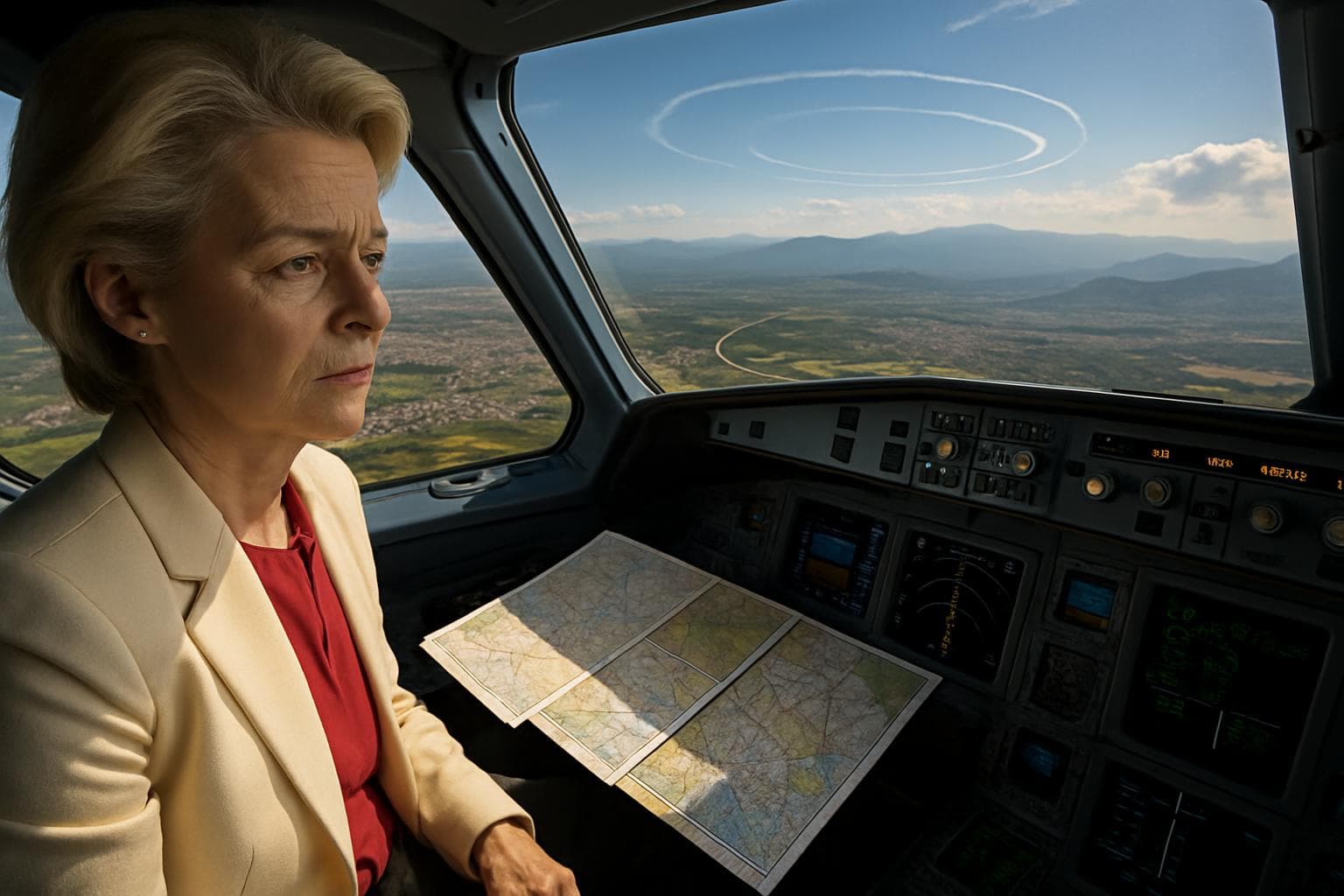
- Ursula von der Leyen's plane experienced suspected Russian GPS jamming while landing in Bulgaria, forcing reliance on paper maps.
- The European Commission has condemned the incident, linking it to Russia's hostile actions and emphasizing the need to bolster defense capabilities.
- GPS interference incidents have surged near Russian borders since 2022, raising significant aviation safety concerns.
- The EU plans to deploy additional satellites to counteract GPS jamming and enhance detection capabilities.
- Russia has denied involvement, while the UK's Civil Aviation Authority downplays the impact on aircraft navigation systems.
The European Commission has reported that a plane carrying its president, Ursula von der Leyen, encountered suspected Russian GPS jamming while approaching Plovdiv, Bulgaria. The incident, which occurred on Sunday, forced the aircraft to rely on paper maps for navigation, though it landed safely.
Incident Details and Response
According to a spokesperson for the European Commission, Bulgarian authorities suspect Russian interference disrupted the plane's satellite navigation system. The Financial Times reported that the aircraft circled Plovdiv Airport for an hour before landing. The European Commission has condemned the interference, describing it as part of Russia's ongoing hostile actions. "Threats and intimidation are a regular component of Russia's behavior," the spokesperson stated, reinforcing the EU's commitment to enhancing defense capabilities and supporting Ukraine.
Rising Concerns Over Aviation Safety
The incident highlights a growing concern over aviation safety in Eastern Europe, where GPS jamming has become increasingly common since Russia's full-scale invasion of Ukraine in 2022. The European Union Aviation Safety Agency (EASA) and the International Air Transport Association (IATA) have warned that such interference poses significant challenges to aviation safety. In response, the EU plans to deploy additional satellites to improve its ability to detect and counteract GPS jamming.
Broader Context and Reactions
This is not the first instance of suspected Russian interference affecting aviation. In March 2024, an RAF plane carrying the UK's then-Defense Secretary Grant Shapps experienced a similar incident near Kaliningrad. Despite the growing number of incidents, the UK's Civil Aviation Authority has stated that aircraft navigation systems do not solely rely on GPS, minimizing the potential impact of such jamming.
Kremlin spokesperson Dmitry Peskov has dismissed the allegations as incorrect. Meanwhile, several Eastern European foreign ministers have expressed concerns that continued GPS disruptions could lead to an air disaster.
WHAT THIS MIGHT MEAN
The suspected GPS jamming incident involving Ursula von der Leyen's plane underscores the escalating tensions between the EU and Russia. As GPS interference becomes more frequent, the EU's decision to deploy additional satellites could enhance its detection capabilities and deter future incidents. However, the effectiveness of these measures remains to be seen.
Politically, the incident may further strain EU-Russia relations, prompting the EU to accelerate its defense initiatives and strengthen alliances with Eastern European nations. Experts suggest that without proportional countermeasures, GPS jamming could continue to pose a threat to aviation safety and regional stability.
Related Articles
UK PM Keir Starmer Calls for Stronger European Defence Ties at Munich Conference
France Releases Russian 'Shadow Fleet' Tanker Amid Rising Tensions
Russian LNG Tanker Sinks in Mediterranean Amid Accusations of Ukrainian Drone Attack

Russia-Ukraine Conflict: Four Years of Unyielding Struggle and Human Resilience

Geneva Peace Talks Between Russia and Ukraine End Without Breakthrough
Kenyan Nationals Recruited for Russia-Ukraine War Amid Allegations of Human Trafficking
EU Chief's Plane Hit by Suspected Russian GPS Jamming Over Bulgaria
In This Article
 Alex Carter| Published
 HIGHLIGHTS
- Ursula von der Leyen's plane experienced suspected Russian GPS jamming while landing in Bulgaria, forcing reliance on paper maps.
- The European Commission has condemned the incident, linking it to Russia's hostile actions and emphasizing the need to bolster defense capabilities.
- GPS interference incidents have surged near Russian borders since 2022, raising significant aviation safety concerns.
- The EU plans to deploy additional satellites to counteract GPS jamming and enhance detection capabilities.
- Russia has denied involvement, while the UK's Civil Aviation Authority downplays the impact on aircraft navigation systems.
The European Commission has reported that a plane carrying its president, Ursula von der Leyen, encountered suspected Russian GPS jamming while approaching Plovdiv, Bulgaria. The incident, which occurred on Sunday, forced the aircraft to rely on paper maps for navigation, though it landed safely.
Incident Details and Response
According to a spokesperson for the European Commission, Bulgarian authorities suspect Russian interference disrupted the plane's satellite navigation system. The Financial Times reported that the aircraft circled Plovdiv Airport for an hour before landing. The European Commission has condemned the interference, describing it as part of Russia's ongoing hostile actions. "Threats and intimidation are a regular component of Russia's behavior," the spokesperson stated, reinforcing the EU's commitment to enhancing defense capabilities and supporting Ukraine.
Rising Concerns Over Aviation Safety
The incident highlights a growing concern over aviation safety in Eastern Europe, where GPS jamming has become increasingly common since Russia's full-scale invasion of Ukraine in 2022. The European Union Aviation Safety Agency (EASA) and the International Air Transport Association (IATA) have warned that such interference poses significant challenges to aviation safety. In response, the EU plans to deploy additional satellites to improve its ability to detect and counteract GPS jamming.
Broader Context and Reactions
This is not the first instance of suspected Russian interference affecting aviation. In March 2024, an RAF plane carrying the UK's then-Defense Secretary Grant Shapps experienced a similar incident near Kaliningrad. Despite the growing number of incidents, the UK's Civil Aviation Authority has stated that aircraft navigation systems do not solely rely on GPS, minimizing the potential impact of such jamming.
Kremlin spokesperson Dmitry Peskov has dismissed the allegations as incorrect. Meanwhile, several Eastern European foreign ministers have expressed concerns that continued GPS disruptions could lead to an air disaster.
WHAT THIS MIGHT MEAN
The suspected GPS jamming incident involving Ursula von der Leyen's plane underscores the escalating tensions between the EU and Russia. As GPS interference becomes more frequent, the EU's decision to deploy additional satellites could enhance its detection capabilities and deter future incidents. However, the effectiveness of these measures remains to be seen.
Politically, the incident may further strain EU-Russia relations, prompting the EU to accelerate its defense initiatives and strengthen alliances with Eastern European nations. Experts suggest that without proportional countermeasures, GPS jamming could continue to pose a threat to aviation safety and regional stability.
Related Articles
UK PM Keir Starmer Calls for Stronger European Defence Ties at Munich Conference
France Releases Russian 'Shadow Fleet' Tanker Amid Rising Tensions
Russian LNG Tanker Sinks in Mediterranean Amid Accusations of Ukrainian Drone Attack
Russia-Ukraine Conflict: Four Years of Unyielding Struggle and Human Resilience
Geneva Peace Talks Between Russia and Ukraine End Without Breakthrough
Kenyan Nationals Recruited for Russia-Ukraine War Amid Allegations of Human Trafficking