
Rising Tensions in Gaza: Aid Distribution Sites Become Flashpoints Amid Humanitarian Crisis
In This Article
HIGHLIGHTS
- Israeli forces reportedly killed 23 Palestinians near an aid site in Gaza, with conflicting accounts from the Gaza Humanitarian Foundation (GHF) and the Israeli military.
- The GHF, backed by the US and Israel, has taken over aid distribution in Gaza, bypassing the UN, leading to increased tensions and casualties.
- UNICEF warns of a potential "man-made drought" in Gaza due to collapsing water systems, exacerbating the humanitarian crisis.
- Over 400 Palestinians have died since May in incidents related to aid distribution, amid a partial easing of an 11-week Israeli blockade.
- The UN and other aid organizations refuse to cooperate with the GHF system, citing violations of humanitarian principles.
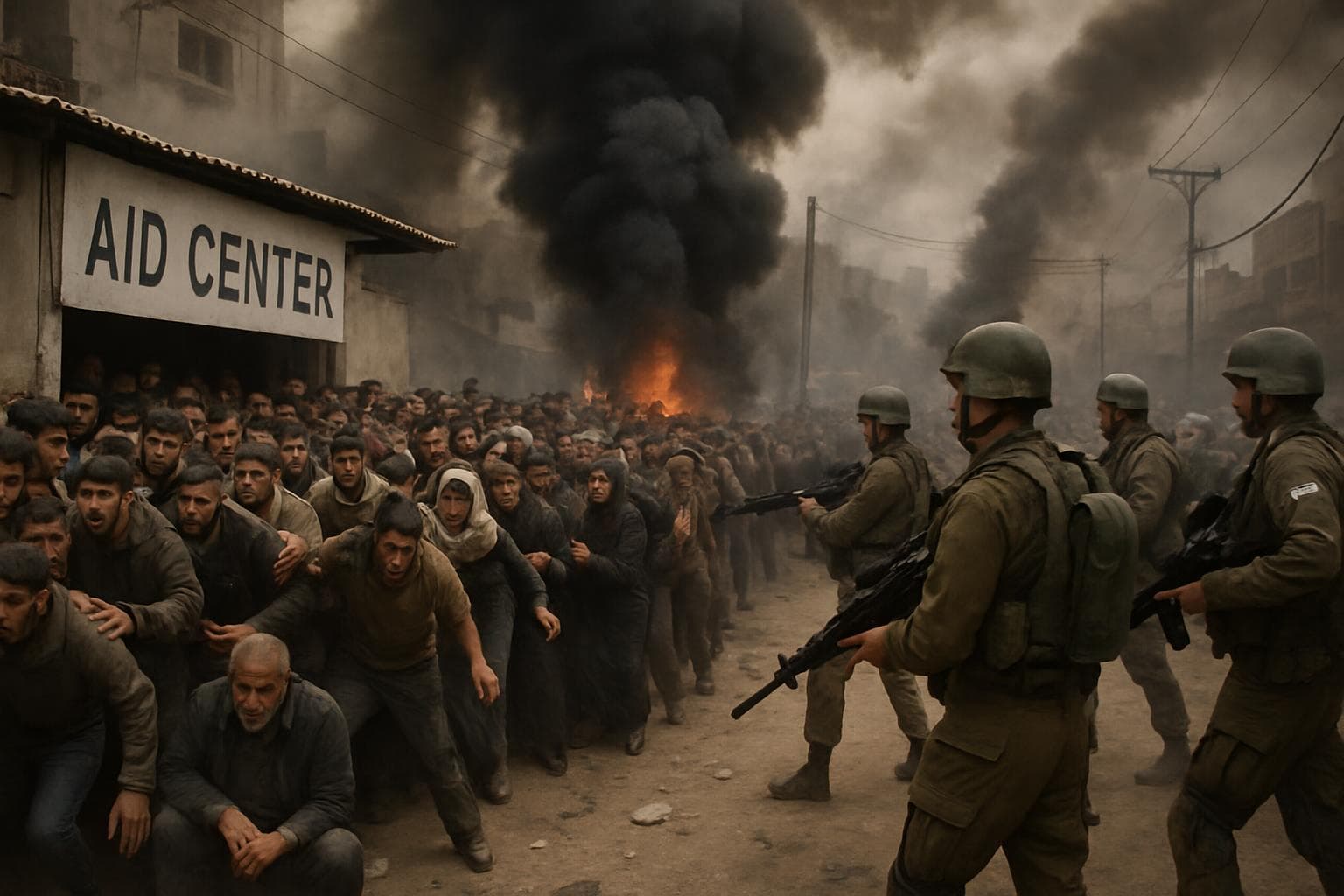
The humanitarian crisis in Gaza has intensified as Israeli military actions near aid distribution sites have reportedly resulted in the deaths of 23 Palestinians. Witnesses and medics claim that Israeli forces opened fire on crowds gathered near a distribution center managed by the Gaza Humanitarian Foundation (GHF) in central Gaza. The GHF, a US and Israel-backed organization, has denied any incidents near its sites.
The Israel Defense Forces (IDF) stated that warning shots were fired at individuals approaching their troops, with subsequent airstrikes targeting "suspects." These incidents are part of a broader pattern of violence since the GHF assumed control of aid distribution in May, a move intended to bypass the UN's role in the region. This shift has led to increased casualties, with over 400 Palestinians reportedly killed in similar incidents.
Humanitarian Concerns and International Response
The United Nations Children's Fund (UNICEF) has raised alarms about a looming "man-made drought" in Gaza, as the territory's water systems are on the brink of collapse. James Elder, a UNICEF spokesperson, highlighted the dire situation, noting that misinformation about aid site openings has led to mass casualty events. The lack of reliable communication, exacerbated by frequent internet outages, has left many Palestinians, including women and children, vulnerable to violence while seeking food aid.
The UN and other humanitarian organizations have refused to cooperate with the GHF's aid distribution system, citing violations of neutrality, impartiality, and independence. The ongoing Israeli blockade, partially lifted last month, has left Gaza's 2.3 million residents facing severe food shortages and a critical risk of famine.
Witness Accounts and Ground Realities
First-hand accounts from Gaza paint a grim picture of the situation. Abdullah Ahmed, a local resident, described the chaos and danger faced by those attempting to access aid. "We try to be the first to increase our chances of getting aid," he said, recounting the heavy gunfire and shelling that erupted as crowds surged towards the GHF site.
Despite the GHF's denials, multiple reports and witness testimonies corroborate the occurrence of violence near aid distribution points. The Israeli military maintains that its actions are defensive, targeting individuals perceived as threats.
WHAT THIS MIGHT MEAN
The ongoing violence and humanitarian crisis in Gaza could have significant legal and political implications. The international community may increase pressure on Israel to allow UN-led aid distribution, emphasizing the need for adherence to humanitarian principles. If the situation continues to deteriorate, it could lead to further destabilization in the region, potentially drawing in other actors and escalating the conflict. Experts suggest that a resolution requires a coordinated international effort to address both the immediate humanitarian needs and the underlying political tensions.
Related Articles
Trump's Board of Peace Pledges $7 Billion for Gaza Amidst International Skepticism
Intensified US-Israel Strikes on Iran Spark Global Outcry
Palestinian-American Teen Killed by Israeli Settlers in West Bank Sparks Calls for Accountability

US-Iran Tensions Escalate Amid Military Buildup and Diplomatic Deadlock

US and Israel Intensify Military Campaign as Iran's Capabilities Dwindle
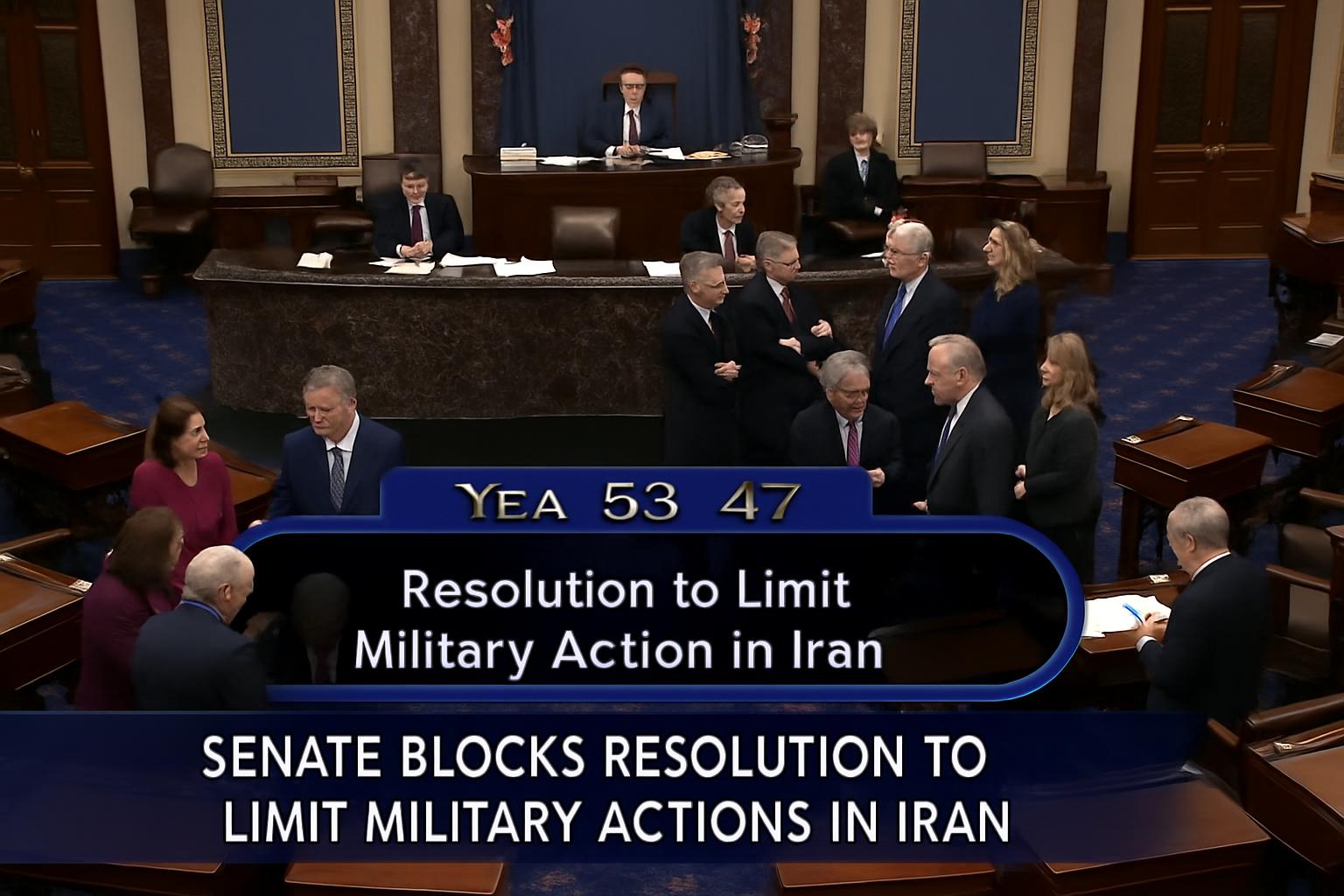
Senate Blocks Resolution to Limit Trump's Military Actions in Iran
Rising Tensions in Gaza: Aid Distribution Sites Become Flashpoints Amid Humanitarian Crisis
In This Article
 Ethan Brooks| Published
 HIGHLIGHTS
- Israeli forces reportedly killed 23 Palestinians near an aid site in Gaza, with conflicting accounts from the Gaza Humanitarian Foundation (GHF) and the Israeli military.
- The GHF, backed by the US and Israel, has taken over aid distribution in Gaza, bypassing the UN, leading to increased tensions and casualties.
- UNICEF warns of a potential "man-made drought" in Gaza due to collapsing water systems, exacerbating the humanitarian crisis.
- Over 400 Palestinians have died since May in incidents related to aid distribution, amid a partial easing of an 11-week Israeli blockade.
- The UN and other aid organizations refuse to cooperate with the GHF system, citing violations of humanitarian principles.
The humanitarian crisis in Gaza has intensified as Israeli military actions near aid distribution sites have reportedly resulted in the deaths of 23 Palestinians. Witnesses and medics claim that Israeli forces opened fire on crowds gathered near a distribution center managed by the Gaza Humanitarian Foundation (GHF) in central Gaza. The GHF, a US and Israel-backed organization, has denied any incidents near its sites.
The Israel Defense Forces (IDF) stated that warning shots were fired at individuals approaching their troops, with subsequent airstrikes targeting "suspects." These incidents are part of a broader pattern of violence since the GHF assumed control of aid distribution in May, a move intended to bypass the UN's role in the region. This shift has led to increased casualties, with over 400 Palestinians reportedly killed in similar incidents.
Humanitarian Concerns and International Response
The United Nations Children's Fund (UNICEF) has raised alarms about a looming "man-made drought" in Gaza, as the territory's water systems are on the brink of collapse. James Elder, a UNICEF spokesperson, highlighted the dire situation, noting that misinformation about aid site openings has led to mass casualty events. The lack of reliable communication, exacerbated by frequent internet outages, has left many Palestinians, including women and children, vulnerable to violence while seeking food aid.
The UN and other humanitarian organizations have refused to cooperate with the GHF's aid distribution system, citing violations of neutrality, impartiality, and independence. The ongoing Israeli blockade, partially lifted last month, has left Gaza's 2.3 million residents facing severe food shortages and a critical risk of famine.
Witness Accounts and Ground Realities
First-hand accounts from Gaza paint a grim picture of the situation. Abdullah Ahmed, a local resident, described the chaos and danger faced by those attempting to access aid. "We try to be the first to increase our chances of getting aid," he said, recounting the heavy gunfire and shelling that erupted as crowds surged towards the GHF site.
Despite the GHF's denials, multiple reports and witness testimonies corroborate the occurrence of violence near aid distribution points. The Israeli military maintains that its actions are defensive, targeting individuals perceived as threats.
WHAT THIS MIGHT MEAN
The ongoing violence and humanitarian crisis in Gaza could have significant legal and political implications. The international community may increase pressure on Israel to allow UN-led aid distribution, emphasizing the need for adherence to humanitarian principles. If the situation continues to deteriorate, it could lead to further destabilization in the region, potentially drawing in other actors and escalating the conflict. Experts suggest that a resolution requires a coordinated international effort to address both the immediate humanitarian needs and the underlying political tensions.
Related Articles
Trump's Board of Peace Pledges $7 Billion for Gaza Amidst International Skepticism
Intensified US-Israel Strikes on Iran Spark Global Outcry
Palestinian-American Teen Killed by Israeli Settlers in West Bank Sparks Calls for Accountability
US-Iran Tensions Escalate Amid Military Buildup and Diplomatic Deadlock
US and Israel Intensify Military Campaign as Iran's Capabilities Dwindle
Senate Blocks Resolution to Limit Trump's Military Actions in Iran