
Global Efforts Intensify to Tackle Escalating Plastic Pollution Crisis
In This Article
HIGHLIGHTS
- A UN conference in Geneva aims to finalize a global treaty to address the escalating plastic pollution crisis.
- Plastic production has surged over 200 times since 1950, with projections to triple by 2060, exacerbating environmental and health issues.
- The proposed treaty faces opposition from petrostates, which prefer focusing on recycling rather than limiting production.
- Microplastics have infiltrated ecosystems worldwide, posing significant risks to wildlife and human health.
- The economic impact of plastic-related health damages is estimated at $1.5 trillion annually.
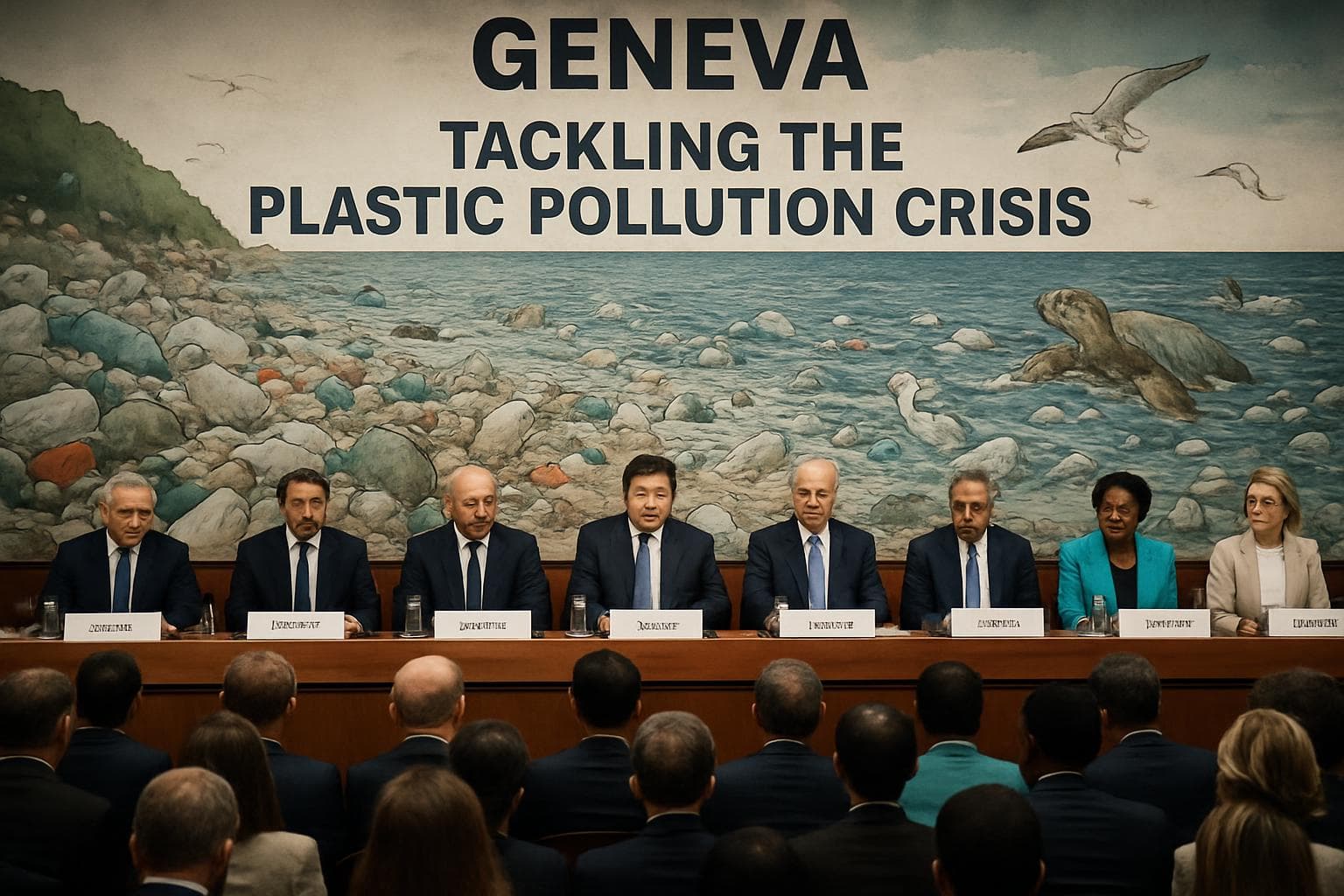
As nations convene in Geneva for a pivotal UN conference, the world stands at a critical juncture in addressing the burgeoning plastic pollution crisis. The talks, which began on Tuesday, aim to finalize a legally binding global treaty to curb the environmental and health impacts of plastic waste. This comes amid alarming statistics: plastic production has increased over 200 times since 1950 and is expected to nearly triple by 2060, driven largely by single-use plastics.
The Growing Plastic Crisis
The proliferation of plastics, hailed initially for their versatility and durability, has become a double-edged sword. While plastics have revolutionized industries from healthcare to construction, their environmental footprint is staggering. According to a report in The Lancet, plastic pollution is responsible for at least $1.5 trillion in health-related damages annually, affecting people from infancy to old age. Microplastics, tiny fragments resulting from the breakdown of larger plastic items, have been detected in the most remote corners of the planet, from the depths of the oceans to the peaks of mountains.
Challenges in Reaching Consensus
Despite the urgency, reaching a consensus on the treaty has been fraught with challenges. More than 100 countries advocate for a cap on plastic production, emphasizing the need to phase out certain chemicals and single-use products. However, nations with significant fossil fuel industries, including Saudi Arabia, China, and Russia, resist these measures, arguing for improved recycling efforts instead. This division has stalled progress in previous negotiations, with the last round in Busan, South Korea, ending without agreement.
Health and Environmental Implications
The health implications of plastic pollution are profound. Research indicates that microplastics can infiltrate human organs, potentially causing inflammation, cell damage, and hormonal changes. Wildlife is equally at risk, with marine animals often ingesting plastic debris, mistaking it for food, which can lead to fatal digestive issues. Dr. Alice Horton from the National Oceanography Centre warns of the threshold at which plastic accumulation begins to harm living organisms, underscoring the need for immediate action.
The Path Forward
Experts like Prof. Richard Thompson, a leading figure in marine litter research, stress the importance of an ambitious treaty. "It is imperative that we act decisively to protect future generations," he stated. The outcome of the Geneva talks could set a precedent for global environmental policy, potentially mirroring the impact of the Paris Agreement on climate change.
WHAT THIS MIGHT MEAN
The success of the Geneva conference could pave the way for a comprehensive global strategy to mitigate plastic pollution, potentially leading to significant reductions in plastic production and waste. However, if negotiations falter, the world may continue to grapple with the escalating environmental and health challenges posed by plastics. Experts warn that without decisive action, the economic and ecological costs will only increase, underscoring the urgency of reaching a consensus. The outcome of these talks will likely influence future international environmental policies and set the tone for how nations address other pressing global issues.
Related Articles

US-Iran Tensions Escalate Amid Renewed Nuclear Talks and Protests

Russia-Ukraine Conflict: Four Years of Unyielding Struggle and Human Resilience
China Sets Lowest GDP Growth Target in Decades Amid Economic Challenges
Russian LNG Tanker Sinks in Mediterranean Amid Accusations of Ukrainian Drone Attack

UK Faces Dilemmas Amid Iran Conflict and China Spying Allegations

Labour MP's Husband Arrested in UK-China Espionage Probe
Global Efforts Intensify to Tackle Escalating Plastic Pollution Crisis
In This Article
 Leila Hassan| Published
 HIGHLIGHTS
- A UN conference in Geneva aims to finalize a global treaty to address the escalating plastic pollution crisis.
- Plastic production has surged over 200 times since 1950, with projections to triple by 2060, exacerbating environmental and health issues.
- The proposed treaty faces opposition from petrostates, which prefer focusing on recycling rather than limiting production.
- Microplastics have infiltrated ecosystems worldwide, posing significant risks to wildlife and human health.
- The economic impact of plastic-related health damages is estimated at $1.5 trillion annually.
As nations convene in Geneva for a pivotal UN conference, the world stands at a critical juncture in addressing the burgeoning plastic pollution crisis. The talks, which began on Tuesday, aim to finalize a legally binding global treaty to curb the environmental and health impacts of plastic waste. This comes amid alarming statistics: plastic production has increased over 200 times since 1950 and is expected to nearly triple by 2060, driven largely by single-use plastics.
The Growing Plastic Crisis
The proliferation of plastics, hailed initially for their versatility and durability, has become a double-edged sword. While plastics have revolutionized industries from healthcare to construction, their environmental footprint is staggering. According to a report in The Lancet, plastic pollution is responsible for at least $1.5 trillion in health-related damages annually, affecting people from infancy to old age. Microplastics, tiny fragments resulting from the breakdown of larger plastic items, have been detected in the most remote corners of the planet, from the depths of the oceans to the peaks of mountains.
Challenges in Reaching Consensus
Despite the urgency, reaching a consensus on the treaty has been fraught with challenges. More than 100 countries advocate for a cap on plastic production, emphasizing the need to phase out certain chemicals and single-use products. However, nations with significant fossil fuel industries, including Saudi Arabia, China, and Russia, resist these measures, arguing for improved recycling efforts instead. This division has stalled progress in previous negotiations, with the last round in Busan, South Korea, ending without agreement.
Health and Environmental Implications
The health implications of plastic pollution are profound. Research indicates that microplastics can infiltrate human organs, potentially causing inflammation, cell damage, and hormonal changes. Wildlife is equally at risk, with marine animals often ingesting plastic debris, mistaking it for food, which can lead to fatal digestive issues. Dr. Alice Horton from the National Oceanography Centre warns of the threshold at which plastic accumulation begins to harm living organisms, underscoring the need for immediate action.
The Path Forward
Experts like Prof. Richard Thompson, a leading figure in marine litter research, stress the importance of an ambitious treaty. "It is imperative that we act decisively to protect future generations," he stated. The outcome of the Geneva talks could set a precedent for global environmental policy, potentially mirroring the impact of the Paris Agreement on climate change.
WHAT THIS MIGHT MEAN
The success of the Geneva conference could pave the way for a comprehensive global strategy to mitigate plastic pollution, potentially leading to significant reductions in plastic production and waste. However, if negotiations falter, the world may continue to grapple with the escalating environmental and health challenges posed by plastics. Experts warn that without decisive action, the economic and ecological costs will only increase, underscoring the urgency of reaching a consensus. The outcome of these talks will likely influence future international environmental policies and set the tone for how nations address other pressing global issues.
Related Articles
US-Iran Tensions Escalate Amid Renewed Nuclear Talks and Protests
Russia-Ukraine Conflict: Four Years of Unyielding Struggle and Human Resilience
China Sets Lowest GDP Growth Target in Decades Amid Economic Challenges
Russian LNG Tanker Sinks in Mediterranean Amid Accusations of Ukrainian Drone Attack
UK Faces Dilemmas Amid Iran Conflict and China Spying Allegations
Labour MP's Husband Arrested in UK-China Espionage Probe