
Hamas Stands Firm on Disarmament Amidst Hostage Crisis and Humanitarian Concerns
In This Article
HIGHLIGHTS
- Hamas insists it will not disarm until a sovereign Palestinian state with Jerusalem as its capital is established.
- The release of a video showing Israeli hostage Evyatar David has intensified calls for a ceasefire and humanitarian aid in Gaza.
- Indirect negotiations between Israel and Hamas have stalled, with hostages and humanitarian conditions being central issues.
- The UN and aid agencies report severe food shortages in Gaza, while Israel denies imposing restrictions on aid.
- International pressure mounts on Israel and Hamas to resolve the conflict, with global leaders urging for a peaceful resolution.
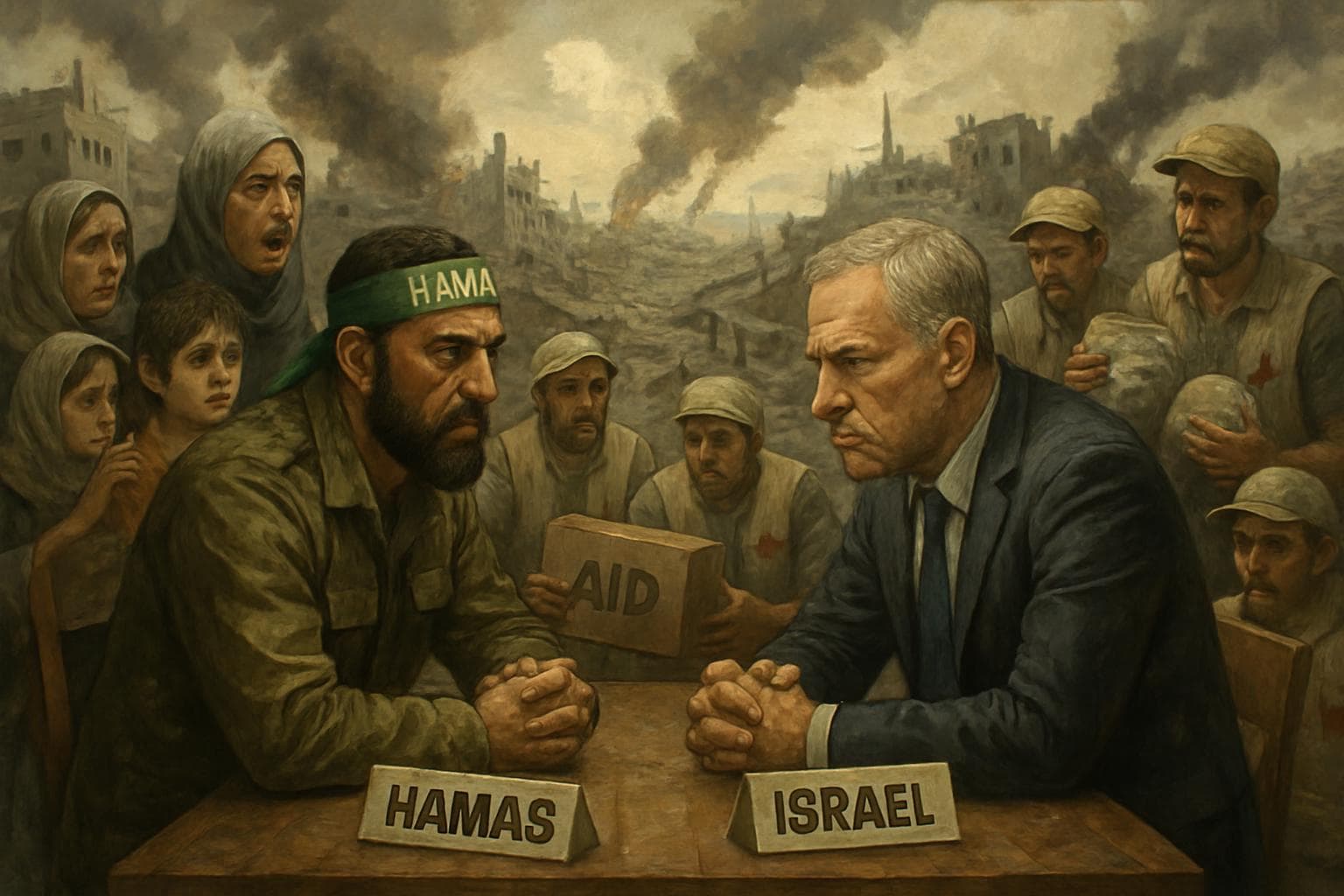
Hamas has reiterated its stance that it will not disarm until an independent Palestinian state is established, a key demand from Israel in ongoing ceasefire negotiations. This declaration comes as the group released a second video of Israeli hostage Evyatar David, highlighting the dire humanitarian situation in Gaza.
Hostage Crisis Intensifies
The video of Evyatar David, a 24-year-old Israeli held captive since October 2023, has sparked outrage and calls for urgent action. In the footage, David appears emaciated, claiming he has been deprived of food and water. His family has condemned Hamas for using him in a "propaganda campaign," urging the Israeli government and international community to secure his release.
Stalled Negotiations and Humanitarian Concerns
Indirect talks between Israel and Hamas aimed at securing a 60-day ceasefire have reached an impasse. Central to these discussions are the release of hostages and the worsening humanitarian conditions in Gaza. The UN and aid organizations have reported severe food shortages, attributing the crisis to Israeli restrictions, which Israel denies.
International Pressure and Aid Efforts
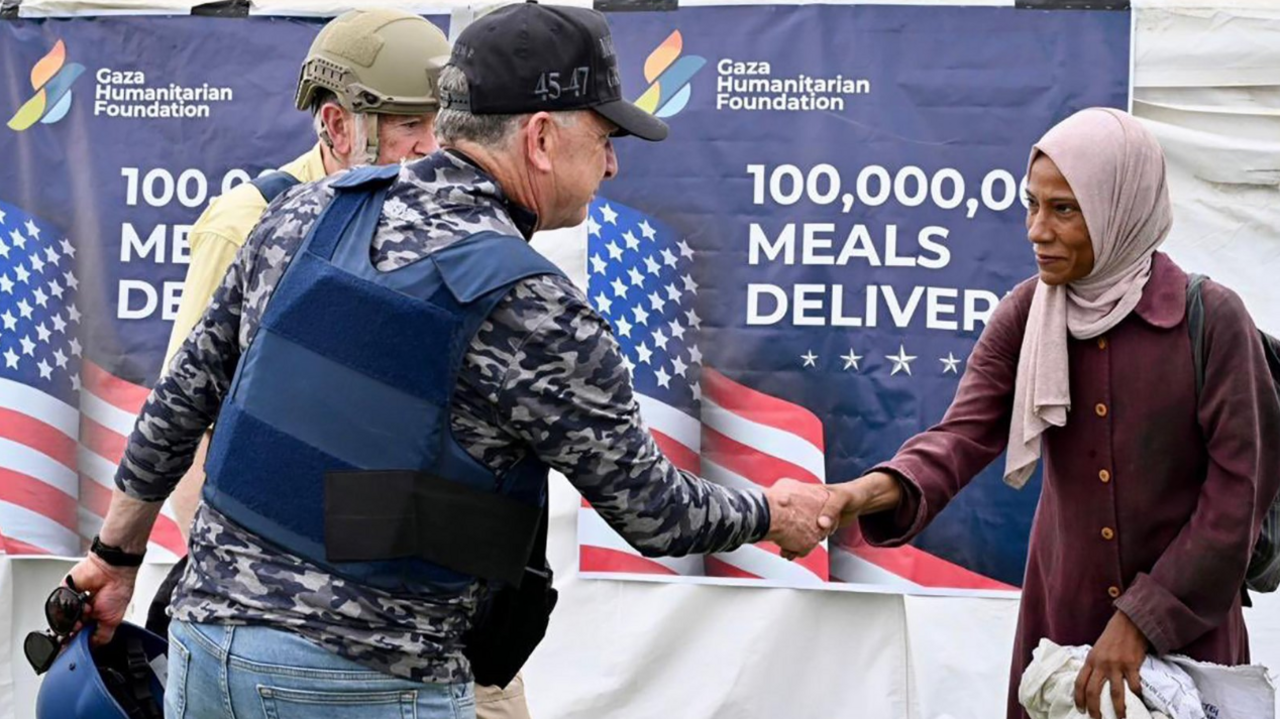
Global leaders, including the UN and various governments, have called for a resolution to the conflict, emphasizing the need for humanitarian aid. Recent efforts have seen aid packages airdropped into Gaza, coordinated by Israel and several countries, including the UAE and France. However, tensions remain high, with reports of violence near aid distribution sites.
Calls for Peace and Resolution
As the humanitarian crisis deepens, international pressure on both Israel and Hamas to reach a peaceful resolution has intensified. Steve Witkoff, the US envoy, has been actively engaging with Israeli officials, advocating for a comprehensive peace plan that addresses both the hostages' release and the broader conflict.
WHAT THIS MIGHT MEAN
The ongoing stalemate in negotiations between Israel and Hamas poses significant challenges for peace in the region. If Hamas continues to refuse disarmament, the likelihood of a prolonged conflict increases, potentially exacerbating the humanitarian crisis in Gaza. Conversely, a breakthrough in talks could pave the way for a ceasefire and improved conditions for civilians.
International involvement, particularly from the UN and influential countries, may play a crucial role in mediating a resolution. However, the complex political dynamics and deep-seated grievances on both sides suggest that achieving lasting peace will require significant concessions and trust-building measures.
As the situation evolves, the focus remains on securing the release of hostages and ensuring humanitarian aid reaches those in need, with the hope that these efforts will contribute to a broader peace process in the Middle East.
Images from the Web

Related Articles
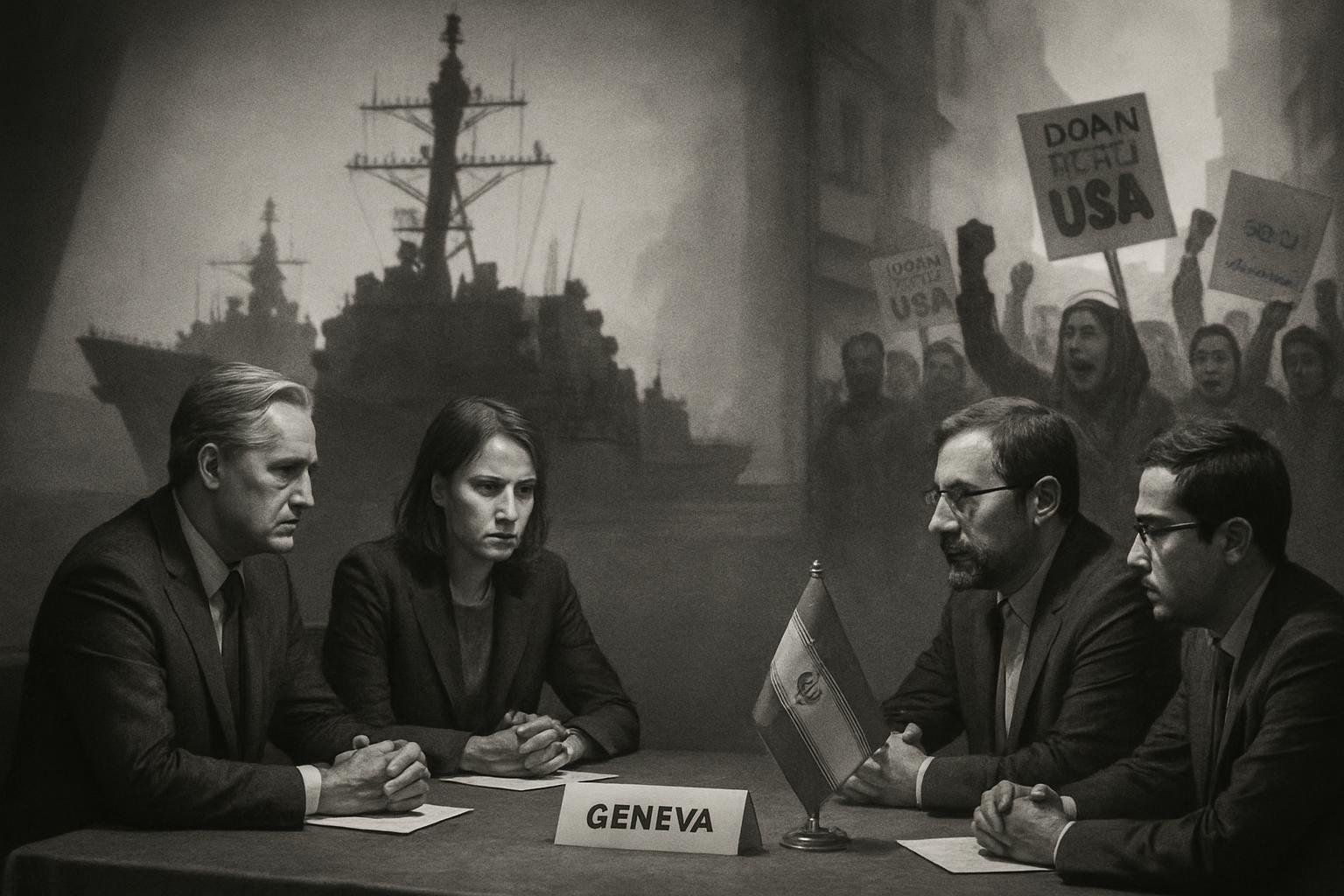
US-Iran Tensions Escalate Amid Renewed Nuclear Talks and Protests
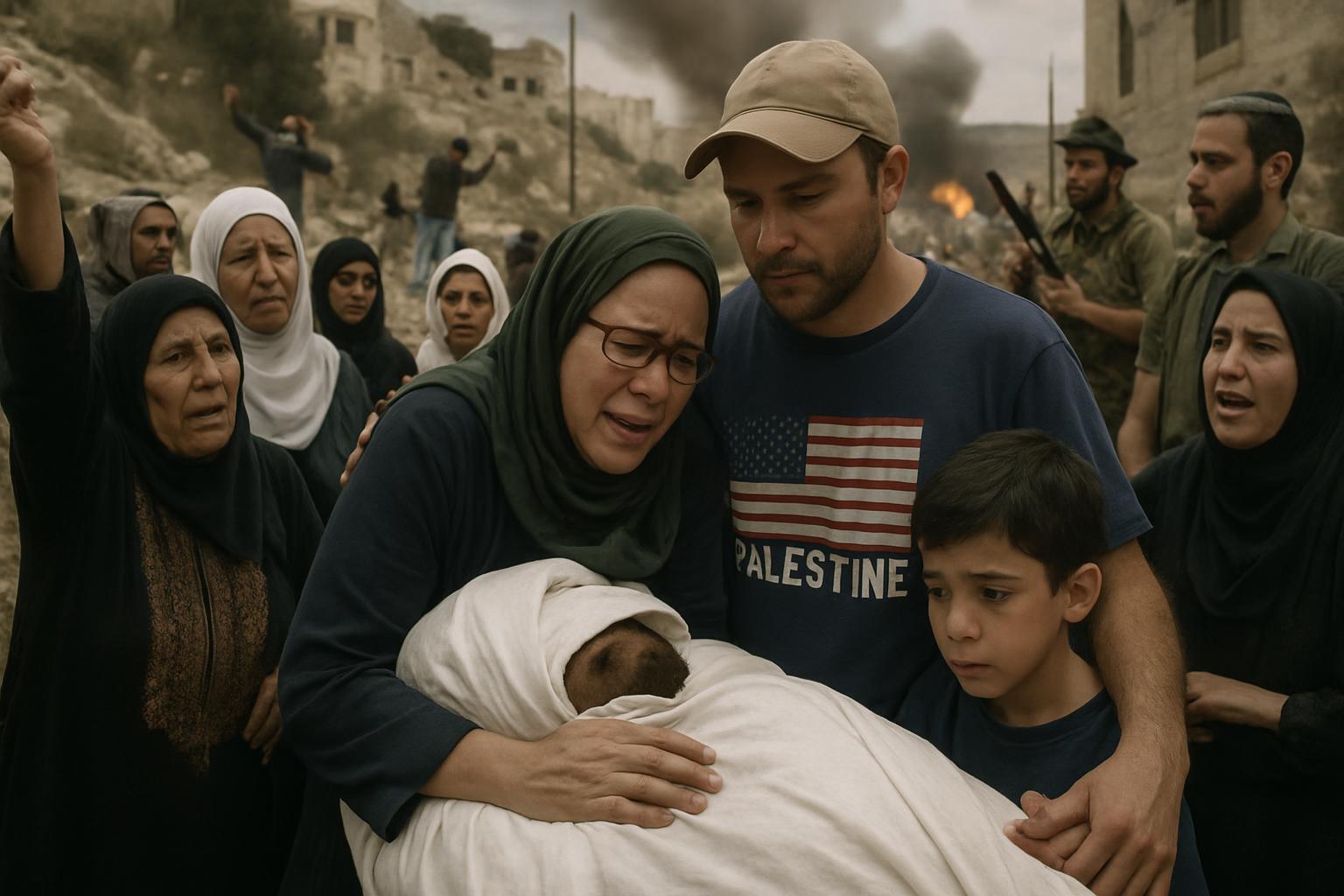
Palestinian-American Teen Killed by Israeli Settlers in West Bank Sparks Calls for Accountability
US and Israel Intensify Military Campaign as Iran's Capabilities Dwindle
Intensified US-Israel Strikes on Iran Spark Global Outcry
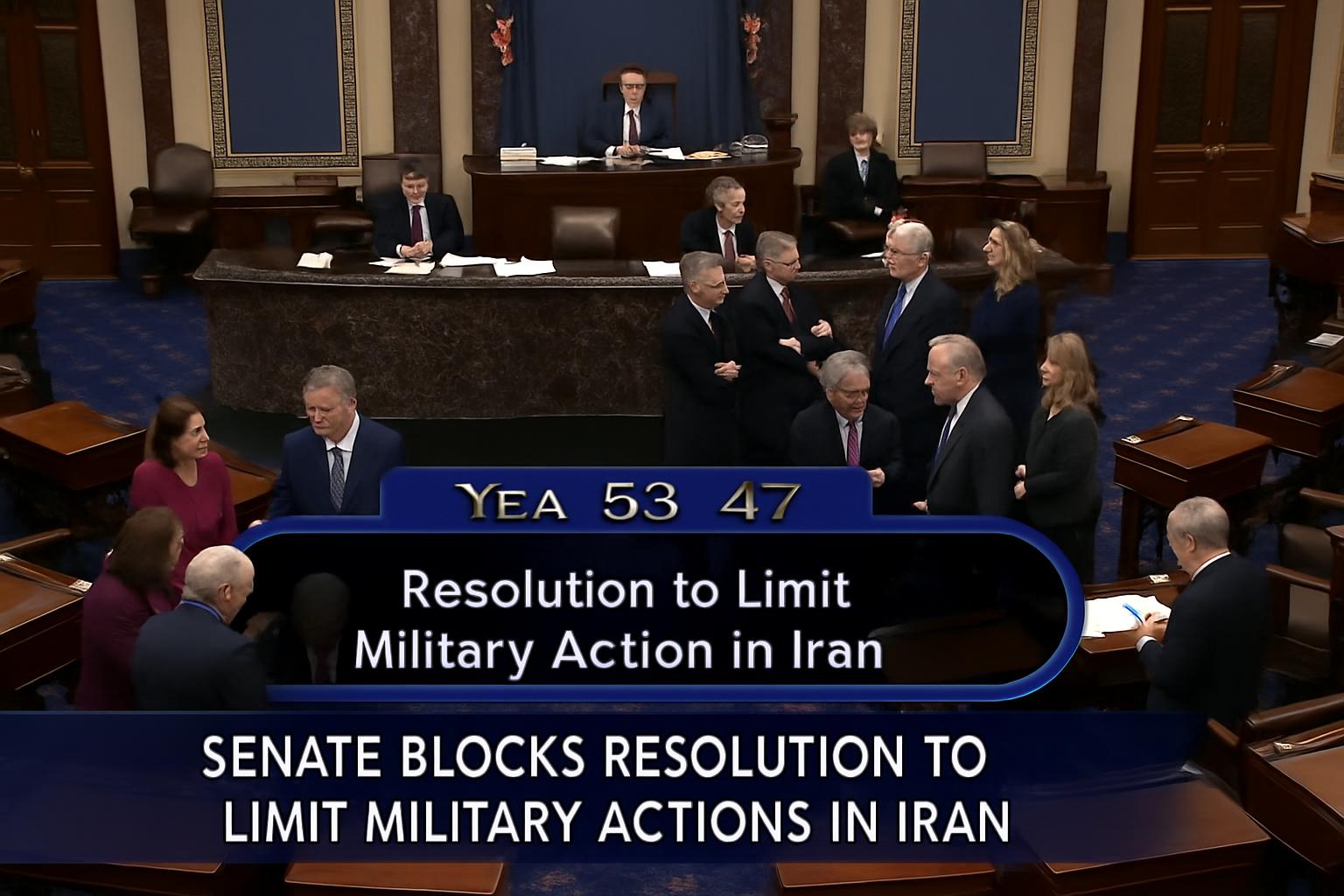
Senate Blocks Resolution to Limit Trump's Military Actions in Iran
Iran Postpones Khamenei Funeral Amid Escalating US-Israeli Strikes
Hamas Stands Firm on Disarmament Amidst Hostage Crisis and Humanitarian Concerns
In This Article
 Ethan Brooks| Published
 HIGHLIGHTS
- Hamas insists it will not disarm until a sovereign Palestinian state with Jerusalem as its capital is established.
- The release of a video showing Israeli hostage Evyatar David has intensified calls for a ceasefire and humanitarian aid in Gaza.
- Indirect negotiations between Israel and Hamas have stalled, with hostages and humanitarian conditions being central issues.
- The UN and aid agencies report severe food shortages in Gaza, while Israel denies imposing restrictions on aid.
- International pressure mounts on Israel and Hamas to resolve the conflict, with global leaders urging for a peaceful resolution.
Hamas has reiterated its stance that it will not disarm until an independent Palestinian state is established, a key demand from Israel in ongoing ceasefire negotiations. This declaration comes as the group released a second video of Israeli hostage Evyatar David, highlighting the dire humanitarian situation in Gaza.
Hostage Crisis Intensifies
The video of Evyatar David, a 24-year-old Israeli held captive since October 2023, has sparked outrage and calls for urgent action. In the footage, David appears emaciated, claiming he has been deprived of food and water. His family has condemned Hamas for using him in a "propaganda campaign," urging the Israeli government and international community to secure his release.
Stalled Negotiations and Humanitarian Concerns
Indirect talks between Israel and Hamas aimed at securing a 60-day ceasefire have reached an impasse. Central to these discussions are the release of hostages and the worsening humanitarian conditions in Gaza. The UN and aid organizations have reported severe food shortages, attributing the crisis to Israeli restrictions, which Israel denies.
International Pressure and Aid Efforts
Global leaders, including the UN and various governments, have called for a resolution to the conflict, emphasizing the need for humanitarian aid. Recent efforts have seen aid packages airdropped into Gaza, coordinated by Israel and several countries, including the UAE and France. However, tensions remain high, with reports of violence near aid distribution sites.
Calls for Peace and Resolution
As the humanitarian crisis deepens, international pressure on both Israel and Hamas to reach a peaceful resolution has intensified. Steve Witkoff, the US envoy, has been actively engaging with Israeli officials, advocating for a comprehensive peace plan that addresses both the hostages' release and the broader conflict.
WHAT THIS MIGHT MEAN
The ongoing stalemate in negotiations between Israel and Hamas poses significant challenges for peace in the region. If Hamas continues to refuse disarmament, the likelihood of a prolonged conflict increases, potentially exacerbating the humanitarian crisis in Gaza. Conversely, a breakthrough in talks could pave the way for a ceasefire and improved conditions for civilians.
International involvement, particularly from the UN and influential countries, may play a crucial role in mediating a resolution. However, the complex political dynamics and deep-seated grievances on both sides suggest that achieving lasting peace will require significant concessions and trust-building measures.
As the situation evolves, the focus remains on securing the release of hostages and ensuring humanitarian aid reaches those in need, with the hope that these efforts will contribute to a broader peace process in the Middle East.
Images from the Web
Related Articles
US-Iran Tensions Escalate Amid Renewed Nuclear Talks and Protests
Palestinian-American Teen Killed by Israeli Settlers in West Bank Sparks Calls for Accountability
US and Israel Intensify Military Campaign as Iran's Capabilities Dwindle
Intensified US-Israel Strikes on Iran Spark Global Outcry
Senate Blocks Resolution to Limit Trump's Military Actions in Iran
Iran Postpones Khamenei Funeral Amid Escalating US-Israeli Strikes