
Harvard Challenges Trump Administration's $2.6 Billion Funding Cuts in Court
In This Article
HIGHLIGHTS
- Harvard University is challenging the Trump administration's decision to cut $2.6 billion in federal funding, arguing it is illegal and politically motivated.
- The funding cuts are part of a broader effort by the administration to influence higher education policies on antisemitism and diversity.
- US District Judge Allison Burroughs has expressed skepticism about the administration's justification for the cuts, questioning their impact on antisemitism.
- The case is being closely watched by other universities, as it could set a precedent for federal funding and academic freedom.
- A ruling is expected soon, and any decision is likely to be appealed, potentially reaching the US Supreme Court.
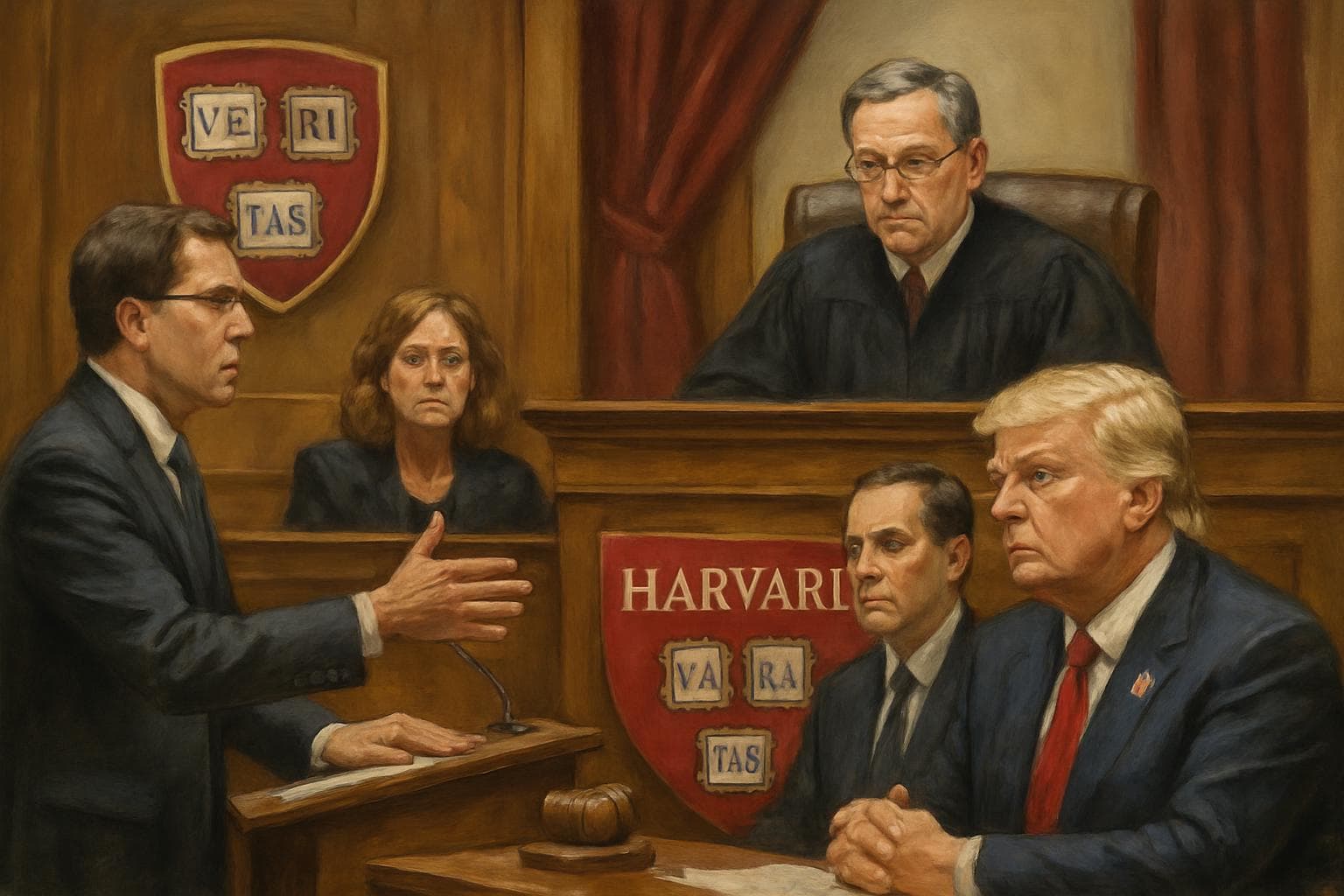
In a high-stakes legal battle, Harvard University is contesting the Trump administration's decision to slash $2.6 billion in federal funding, arguing that the cuts are both illegal and politically motivated. The case, heard in a Boston federal court on Monday, is seen as a critical test of the administration's efforts to reshape higher education by leveraging financial pressure.
Funding Cuts and Legal Arguments
The funding cuts, which have halted significant research initiatives at Harvard, are part of a broader strategy by the Trump administration to enforce compliance with federal policies on antisemitism, student conduct, and diversity. Harvard contends that these measures are an attempt to control the university's academic decision-making. "The administration has given no consideration to patients, the public at large, and the harm of all this research being cut off," argued Harvard's lawyer, Steven Lehotsky.
Judicial Skepticism and Broader Implications
US District Judge Allison Burroughs, overseeing the case, has expressed skepticism about the administration's rationale for the cuts. She questioned how denying funds for medical research would combat antisemitism, calling the government's claims "mind-boggling." The case is being closely watched by other universities, as it could set a precedent affecting federal funding and academic freedom across the nation.
Potential Outcomes and Future Developments
A ruling in favor of Harvard could revive its extensive research operations and influence similar cases at other institutions. However, any decision is likely to be appealed, potentially reaching the US Supreme Court. The outcome could have significant implications for the relationship between federal funding and academic autonomy.
WHAT THIS MIGHT MEAN
The legal battle between Harvard and the Trump administration could have far-reaching consequences for higher education in the United States. If Harvard prevails, it may embolden other universities to challenge federal funding cuts and assert their academic independence. Conversely, a ruling in favor of the administration could empower the government to impose ideological compliance on educational institutions. Legal experts suggest that the case could ultimately redefine the boundaries of academic freedom and federal oversight, with potential implications for future administrations.
Related Articles
Trump Criticizes Supreme Court After Tariff Ruling, Imposes New Global Tariff

US Military Strikes on Alleged Drug Boats Raise Legal Concerns

Geneva Peace Talks: Russia and Ukraine Seek Resolution Amid Ongoing Conflict

Clintons to Testify as Epstein Files Spark Allegations of Cover-Up

Don Lemon Pleads Not Guilty in Minnesota Church Protest Case
Trump Administration Sues Harvard Over Alleged Non-Compliance in Admissions Investigation
Harvard Challenges Trump Administration's $2.6 Billion Funding Cuts in Court
In This Article
 Ethan Brooks| Published
 HIGHLIGHTS
- Harvard University is challenging the Trump administration's decision to cut $2.6 billion in federal funding, arguing it is illegal and politically motivated.
- The funding cuts are part of a broader effort by the administration to influence higher education policies on antisemitism and diversity.
- US District Judge Allison Burroughs has expressed skepticism about the administration's justification for the cuts, questioning their impact on antisemitism.
- The case is being closely watched by other universities, as it could set a precedent for federal funding and academic freedom.
- A ruling is expected soon, and any decision is likely to be appealed, potentially reaching the US Supreme Court.
In a high-stakes legal battle, Harvard University is contesting the Trump administration's decision to slash $2.6 billion in federal funding, arguing that the cuts are both illegal and politically motivated. The case, heard in a Boston federal court on Monday, is seen as a critical test of the administration's efforts to reshape higher education by leveraging financial pressure.
Funding Cuts and Legal Arguments
The funding cuts, which have halted significant research initiatives at Harvard, are part of a broader strategy by the Trump administration to enforce compliance with federal policies on antisemitism, student conduct, and diversity. Harvard contends that these measures are an attempt to control the university's academic decision-making. "The administration has given no consideration to patients, the public at large, and the harm of all this research being cut off," argued Harvard's lawyer, Steven Lehotsky.
Judicial Skepticism and Broader Implications
US District Judge Allison Burroughs, overseeing the case, has expressed skepticism about the administration's rationale for the cuts. She questioned how denying funds for medical research would combat antisemitism, calling the government's claims "mind-boggling." The case is being closely watched by other universities, as it could set a precedent affecting federal funding and academic freedom across the nation.
Potential Outcomes and Future Developments
A ruling in favor of Harvard could revive its extensive research operations and influence similar cases at other institutions. However, any decision is likely to be appealed, potentially reaching the US Supreme Court. The outcome could have significant implications for the relationship between federal funding and academic autonomy.
WHAT THIS MIGHT MEAN
The legal battle between Harvard and the Trump administration could have far-reaching consequences for higher education in the United States. If Harvard prevails, it may embolden other universities to challenge federal funding cuts and assert their academic independence. Conversely, a ruling in favor of the administration could empower the government to impose ideological compliance on educational institutions. Legal experts suggest that the case could ultimately redefine the boundaries of academic freedom and federal oversight, with potential implications for future administrations.
Related Articles
Trump Criticizes Supreme Court After Tariff Ruling, Imposes New Global Tariff
US Military Strikes on Alleged Drug Boats Raise Legal Concerns
Geneva Peace Talks: Russia and Ukraine Seek Resolution Amid Ongoing Conflict
Clintons to Testify as Epstein Files Spark Allegations of Cover-Up
Don Lemon Pleads Not Guilty in Minnesota Church Protest Case
Trump Administration Sues Harvard Over Alleged Non-Compliance in Admissions Investigation