
Iran Protests: Hundreds Killed Amid Government Crackdown
In This Article
HIGHLIGHTS
- Nearly 500 protesters and 48 security personnel have been killed in Iran's anti-government protests, with the death toll likely higher.
- The protests, which began over economic issues, have spread to 186 cities, calling for an end to the Islamic Republic.
- Among the victims are Amir Mohammad Koohkan, a referee, and Rubina Aminian, a student, both killed by live ammunition.
- The Iranian government has arrested over 10,600 people and imposed an internet shutdown, complicating information verification.
- Human rights groups report that Aminian was shot in the head from close range, and her family faced restrictions on burying her.
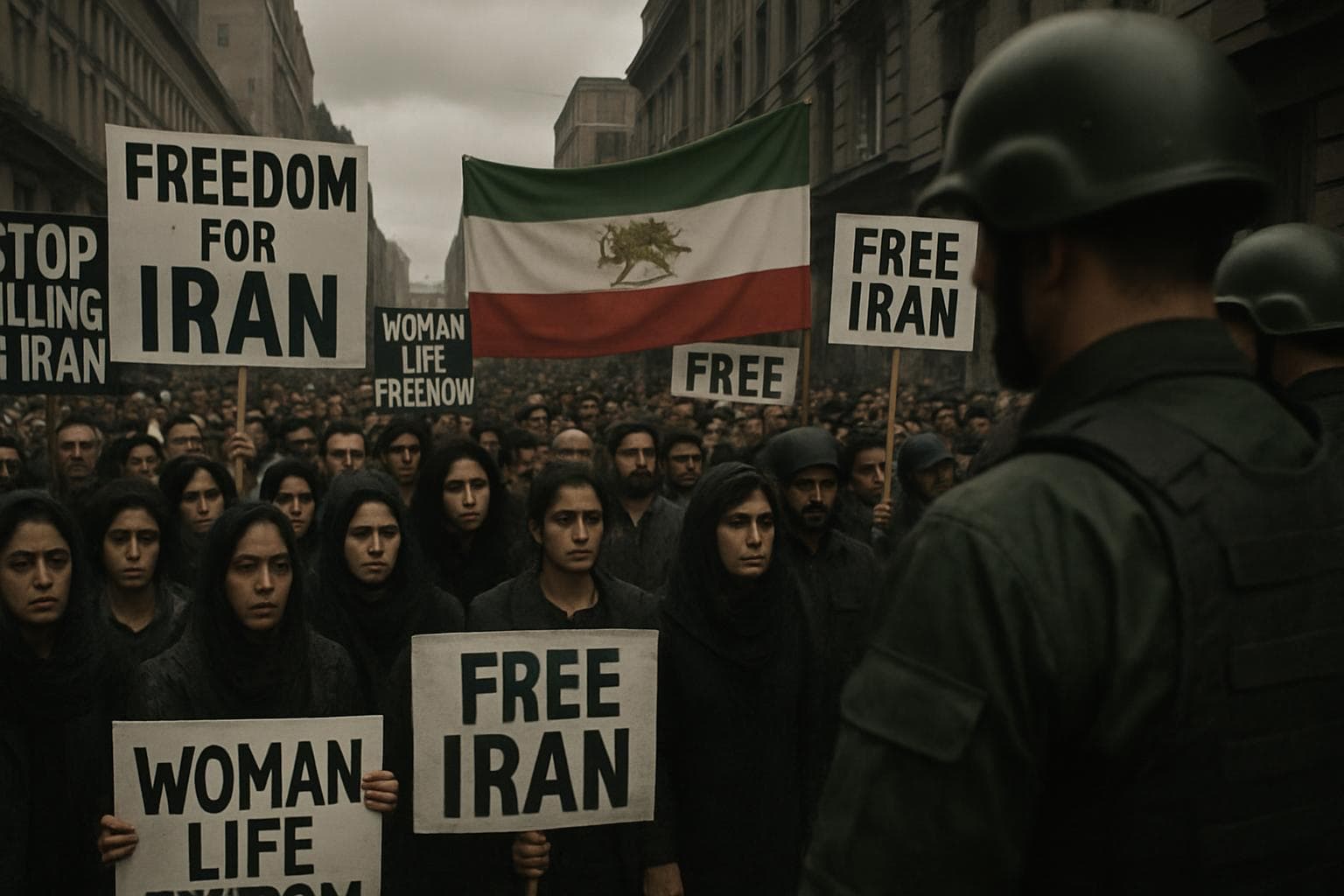
Iran is engulfed in widespread anti-government protests that have resulted in the deaths of nearly 500 protesters and 48 security personnel, according to a US-based human rights group. The demonstrations, which began on December 28 over economic grievances in Tehran, have rapidly expanded to 186 cities across all 31 provinces, evolving into the largest protests in years. Protesters are calling for the end of the Islamic Republic and the rule of Supreme Leader Ayatollah Ali Khamenei.
Casualties and Government Response
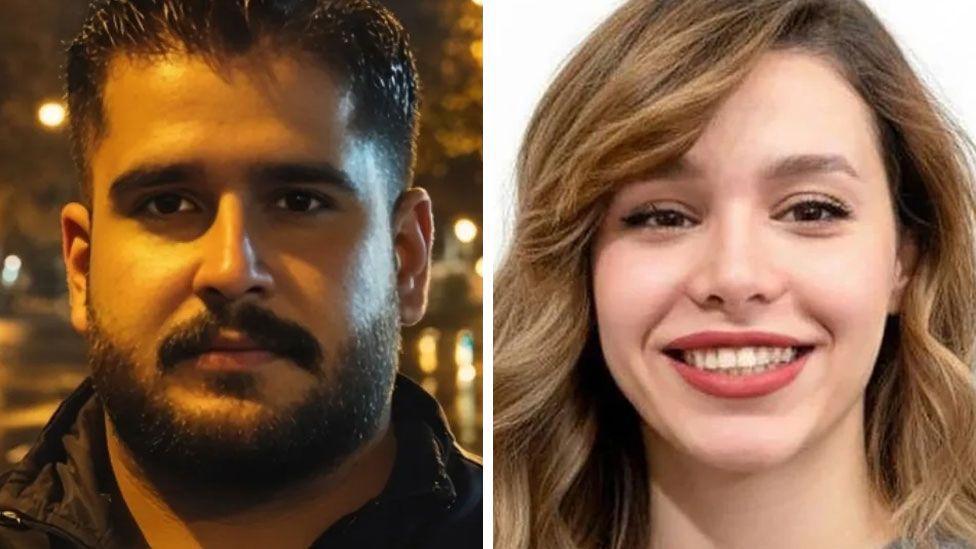
Among the casualties are Amir Mohammad Koohkan, a 26-year-old referee and coach, and Rubina Aminian, a 23-year-old student. Koohkan was reportedly killed by live ammunition during protests in Neyriz, while Aminian was shot in the head from close range during a demonstration in Tehran. Human rights groups have highlighted the brutal nature of these killings, with Aminian's family facing severe restrictions from intelligence forces, preventing them from burying her in their hometown.
The Iranian government has responded with a severe crackdown, arresting over 10,600 individuals and imposing an internet shutdown, making it difficult for international media to verify information. Medical staff in Iran report hospitals overwhelmed with casualties, and footage has emerged showing numerous body bags in morgues.
Human Rights Concerns
Human rights organizations have condemned the Iranian government's actions, citing the high number of casualties and the oppressive measures taken against protesters. The Norway-based Iran Human Rights group has been vocal about the situation, emphasizing the need for international attention and intervention.
WHAT THIS MIGHT MEAN
The ongoing protests in Iran could lead to significant political and social changes within the country. If the demonstrations continue to gain momentum, the Iranian government may face increased pressure both domestically and internationally to address the grievances of its citizens. The international community, particularly human rights organizations, may call for sanctions or other measures to hold the Iranian government accountable for its actions. However, the government's current stance suggests a continued crackdown, which could further escalate tensions and lead to more casualties.
Images from the Web

Related Articles
Intensified US-Israel Strikes on Iran Spark Global Outcry
US-Iran Tensions Escalate Amid Renewed Nuclear Talks and Protests
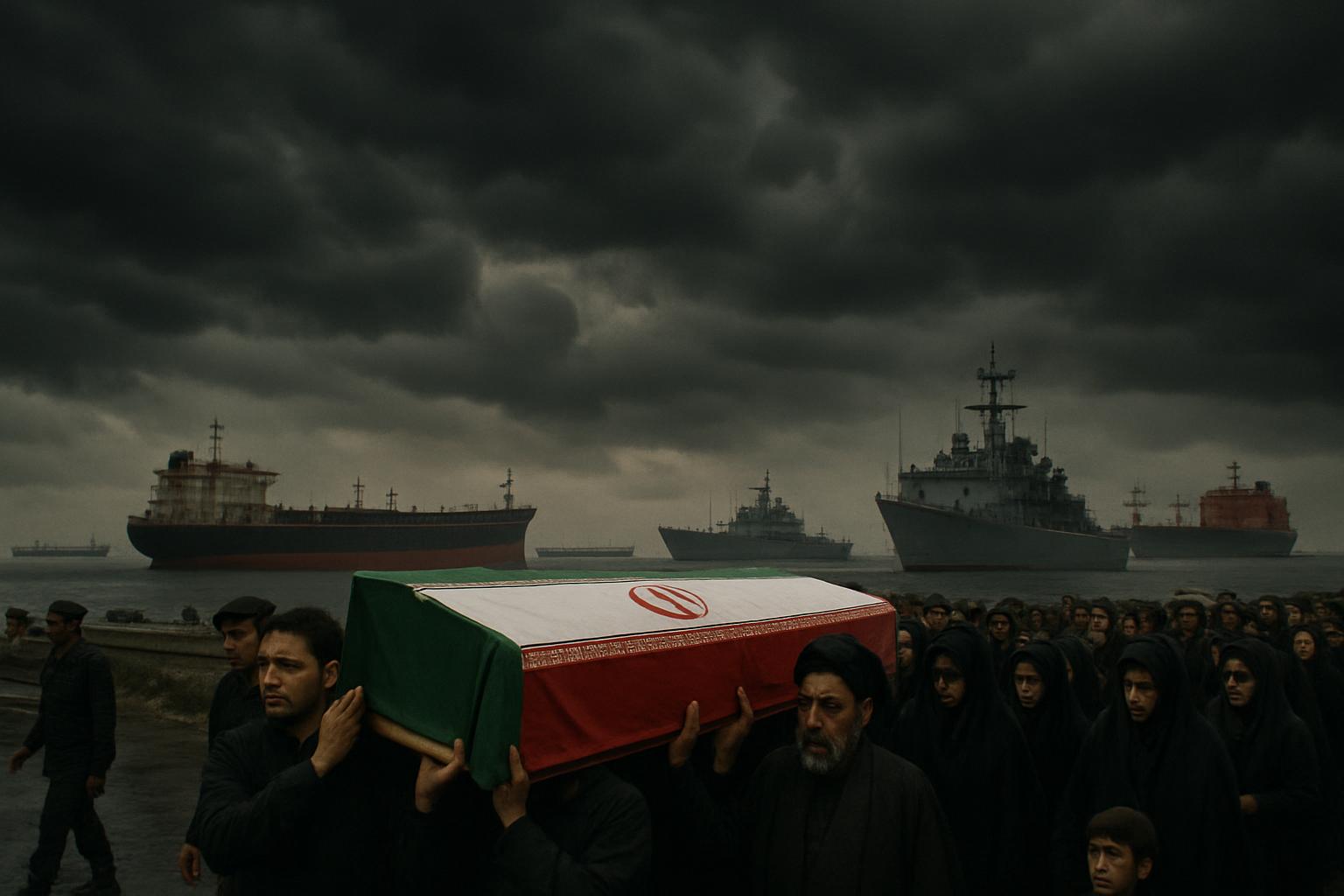
Iran Postpones Khamenei Funeral Amid Escalating US-Israeli Strikes
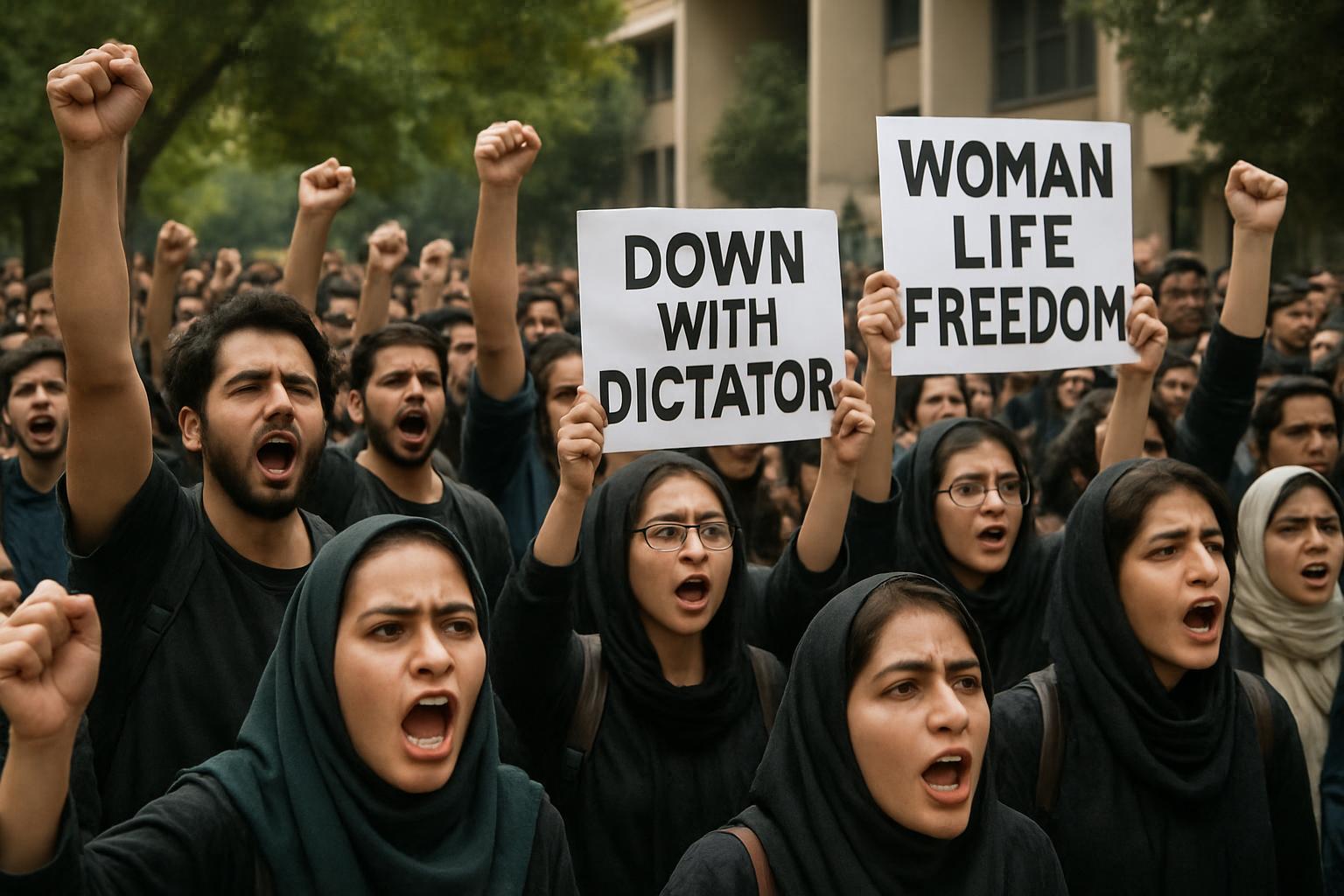
Iranian Students Lead Major Protests Amid Rising US-Iran Tensions
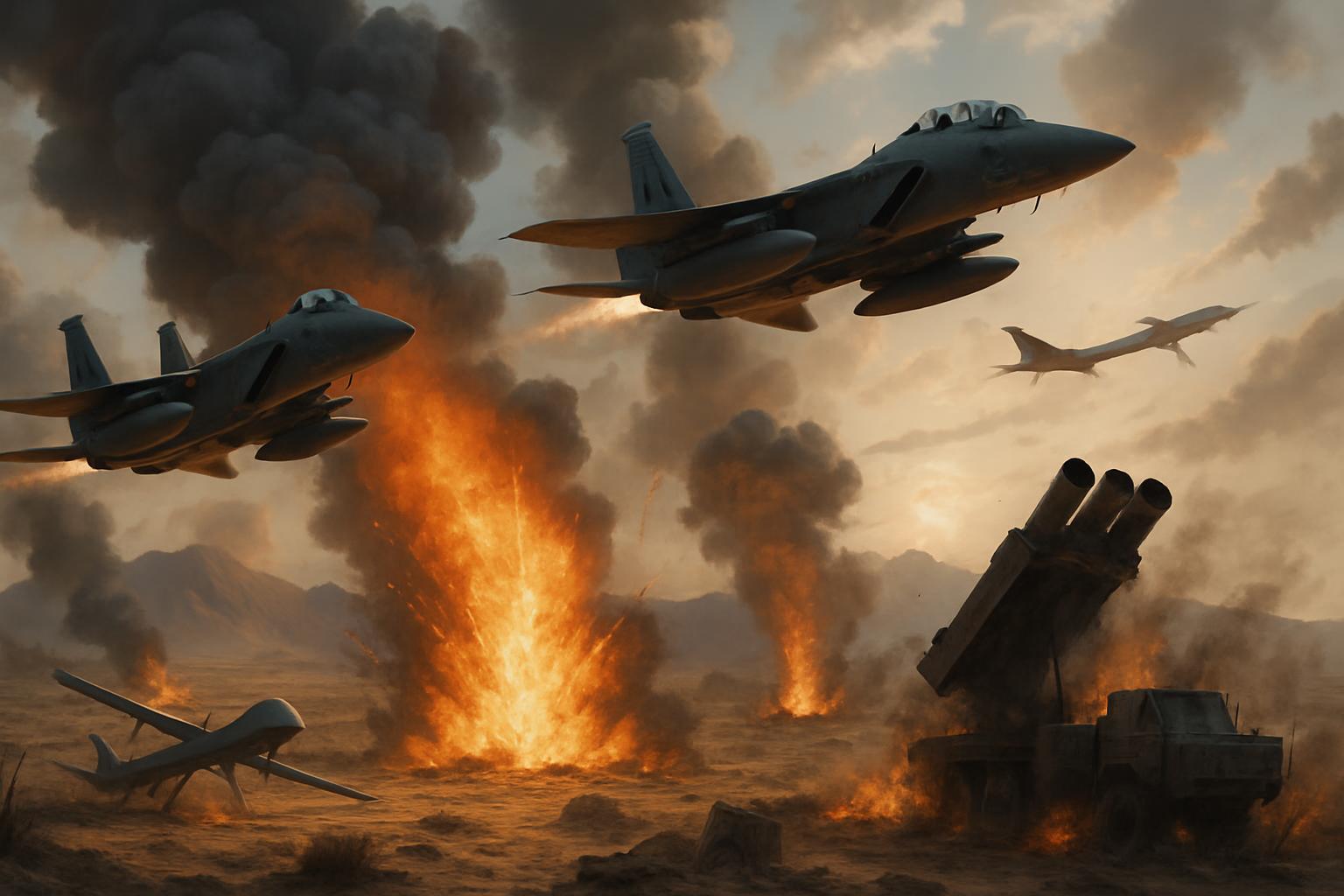
US and Israel Intensify Military Campaign as Iran's Capabilities Dwindle
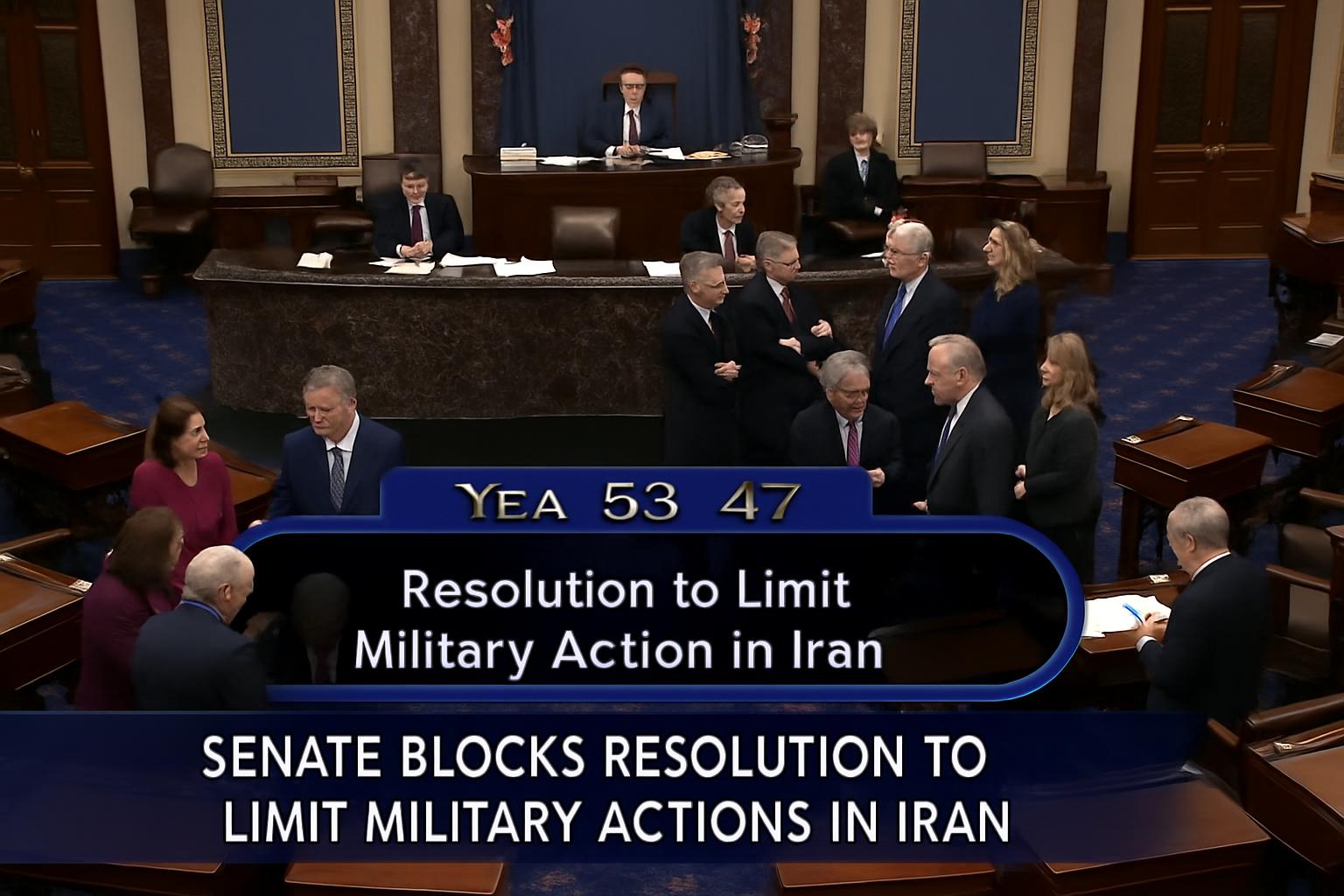
Senate Blocks Resolution to Limit Trump's Military Actions in Iran
Iran Protests: Hundreds Killed Amid Government Crackdown
In This Article
 Ethan Brooks| Published
 HIGHLIGHTS
- Nearly 500 protesters and 48 security personnel have been killed in Iran's anti-government protests, with the death toll likely higher.
- The protests, which began over economic issues, have spread to 186 cities, calling for an end to the Islamic Republic.
- Among the victims are Amir Mohammad Koohkan, a referee, and Rubina Aminian, a student, both killed by live ammunition.
- The Iranian government has arrested over 10,600 people and imposed an internet shutdown, complicating information verification.
- Human rights groups report that Aminian was shot in the head from close range, and her family faced restrictions on burying her.
Iran is engulfed in widespread anti-government protests that have resulted in the deaths of nearly 500 protesters and 48 security personnel, according to a US-based human rights group. The demonstrations, which began on December 28 over economic grievances in Tehran, have rapidly expanded to 186 cities across all 31 provinces, evolving into the largest protests in years. Protesters are calling for the end of the Islamic Republic and the rule of Supreme Leader Ayatollah Ali Khamenei.
Casualties and Government Response
Among the casualties are Amir Mohammad Koohkan, a 26-year-old referee and coach, and Rubina Aminian, a 23-year-old student. Koohkan was reportedly killed by live ammunition during protests in Neyriz, while Aminian was shot in the head from close range during a demonstration in Tehran. Human rights groups have highlighted the brutal nature of these killings, with Aminian's family facing severe restrictions from intelligence forces, preventing them from burying her in their hometown.
The Iranian government has responded with a severe crackdown, arresting over 10,600 individuals and imposing an internet shutdown, making it difficult for international media to verify information. Medical staff in Iran report hospitals overwhelmed with casualties, and footage has emerged showing numerous body bags in morgues.
Human Rights Concerns
Human rights organizations have condemned the Iranian government's actions, citing the high number of casualties and the oppressive measures taken against protesters. The Norway-based Iran Human Rights group has been vocal about the situation, emphasizing the need for international attention and intervention.
WHAT THIS MIGHT MEAN
The ongoing protests in Iran could lead to significant political and social changes within the country. If the demonstrations continue to gain momentum, the Iranian government may face increased pressure both domestically and internationally to address the grievances of its citizens. The international community, particularly human rights organizations, may call for sanctions or other measures to hold the Iranian government accountable for its actions. However, the government's current stance suggests a continued crackdown, which could further escalate tensions and lead to more casualties.
Images from the Web
Related Articles
Intensified US-Israel Strikes on Iran Spark Global Outcry
US-Iran Tensions Escalate Amid Renewed Nuclear Talks and Protests
Iran Postpones Khamenei Funeral Amid Escalating US-Israeli Strikes
Iranian Students Lead Major Protests Amid Rising US-Iran Tensions
US and Israel Intensify Military Campaign as Iran's Capabilities Dwindle
Senate Blocks Resolution to Limit Trump's Military Actions in Iran