
International Pressure Mounts as Israel Plans Gaza City Offensive Amid Hostage Negotiations
In This Article
HIGHLIGHTS
- The UK and 26 other countries have urged Israel to allow foreign media access to Gaza, condemning attacks on journalists and calling for press freedom.
- Israeli Prime Minister Netanyahu has initiated negotiations for the release of hostages while approving a military offensive on Gaza City.
- International and domestic opposition to Israel's military plans is growing, with concerns over worsening humanitarian conditions in Gaza.
- Hamas has agreed to a ceasefire proposal, but Israel demands the release of all hostages and disarmament of Hamas as conditions for ending the conflict.
- The humanitarian situation in Gaza is dire, with reports of malnutrition and mass displacement amid ongoing military actions.
The international community is intensifying calls for Israel to permit foreign media access to Gaza, as the conflict in the region escalates. The UK, alongside 26 other nations, has signed a statement from the Media Freedom Coalition urging Israel to lift its ban on independent journalists entering Gaza. This move comes amid reports of targeted attacks on journalists, with at least 192 media workers killed since the conflict began, according to the Committee to Protect Journalists (CPJ).
Media Access and Press Freedom
The coalition's statement condemns the targeting of journalists and insists on investigations into such attacks. The recent killing of four Al Jazeera journalists in a strike near Gaza City's al-Shifa Hospital has heightened concerns. Israel's Defense Forces (IDF) claimed one of the journalists was linked to Hamas, a charge denied by Al Jazeera and unsubstantiated by evidence, according to the CPJ. Despite these challenges, local journalists continue to report under perilous conditions, often facing threats of starvation and violence.
Military Offensive and Hostage Negotiations
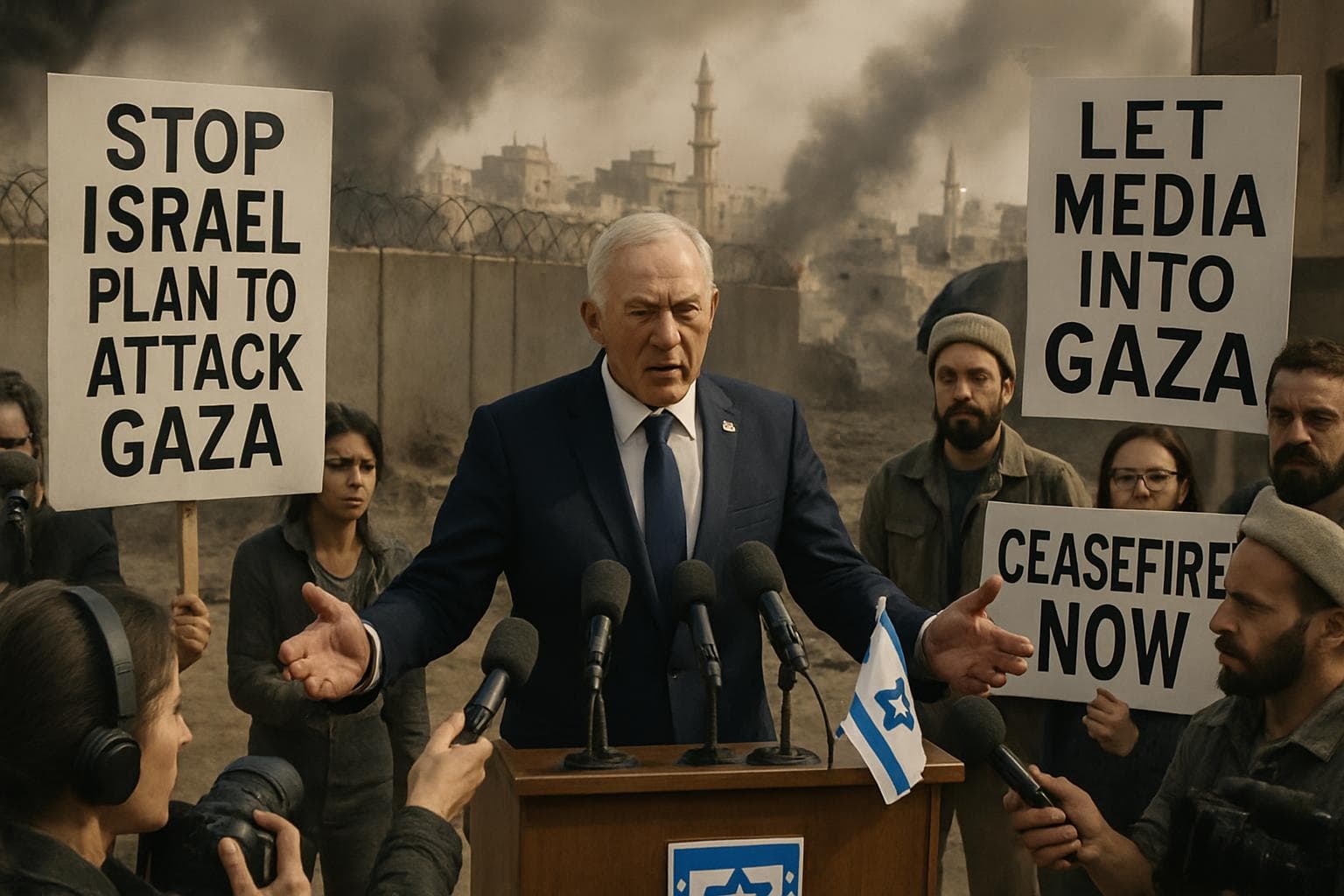
Israeli Prime Minister Benjamin Netanyahu has announced plans for a significant military offensive on Gaza City, despite widespread opposition. This decision coincides with his directive to begin negotiations for the release of hostages held by Hamas. While Hamas has accepted a ceasefire proposal mediated by Qatar and Egypt, Netanyahu insists on the release of all hostages and the disarmament of Hamas as prerequisites for ending the conflict.
Humanitarian Crisis Deepens
The humanitarian situation in Gaza is deteriorating rapidly. The UN and aid organizations warn of severe malnutrition and displacement, exacerbated by Israel's military actions. The Red Cross and other international bodies have condemned the planned offensive, fearing it will worsen the already dire conditions for Gaza's residents. The UN has reported a six-fold increase in malnutrition among children in Gaza City since March, highlighting the urgent need for humanitarian aid.
International and Domestic Reactions
Israel's plans have sparked significant international and domestic backlash. The UK Foreign Office has summoned the Israeli ambassador over settlement plans in the West Bank, while protests within Israel call for a ceasefire and the release of hostages. The complex political landscape within Israel, coupled with ongoing legal challenges facing Netanyahu, adds layers of complexity to the unfolding situation.
WHAT THIS MIGHT MEAN
As Israel prepares for a potential military offensive in Gaza City, the international community's response will be crucial in shaping the conflict's trajectory. If Israel proceeds with its plans, it risks further isolating itself diplomatically and exacerbating the humanitarian crisis. Conversely, successful negotiations for a comprehensive ceasefire and hostage release could pave the way for de-escalation. However, Netanyahu's political maneuvers, influenced by internal pressures and legal challenges, may complicate efforts for a peaceful resolution. The coming weeks will be pivotal in determining whether diplomatic efforts can prevail over military actions.
Related Articles
US and Israel Intensify Military Campaign as Iran's Capabilities Dwindle
Intensified US-Israel Strikes on Iran Spark Global Outcry
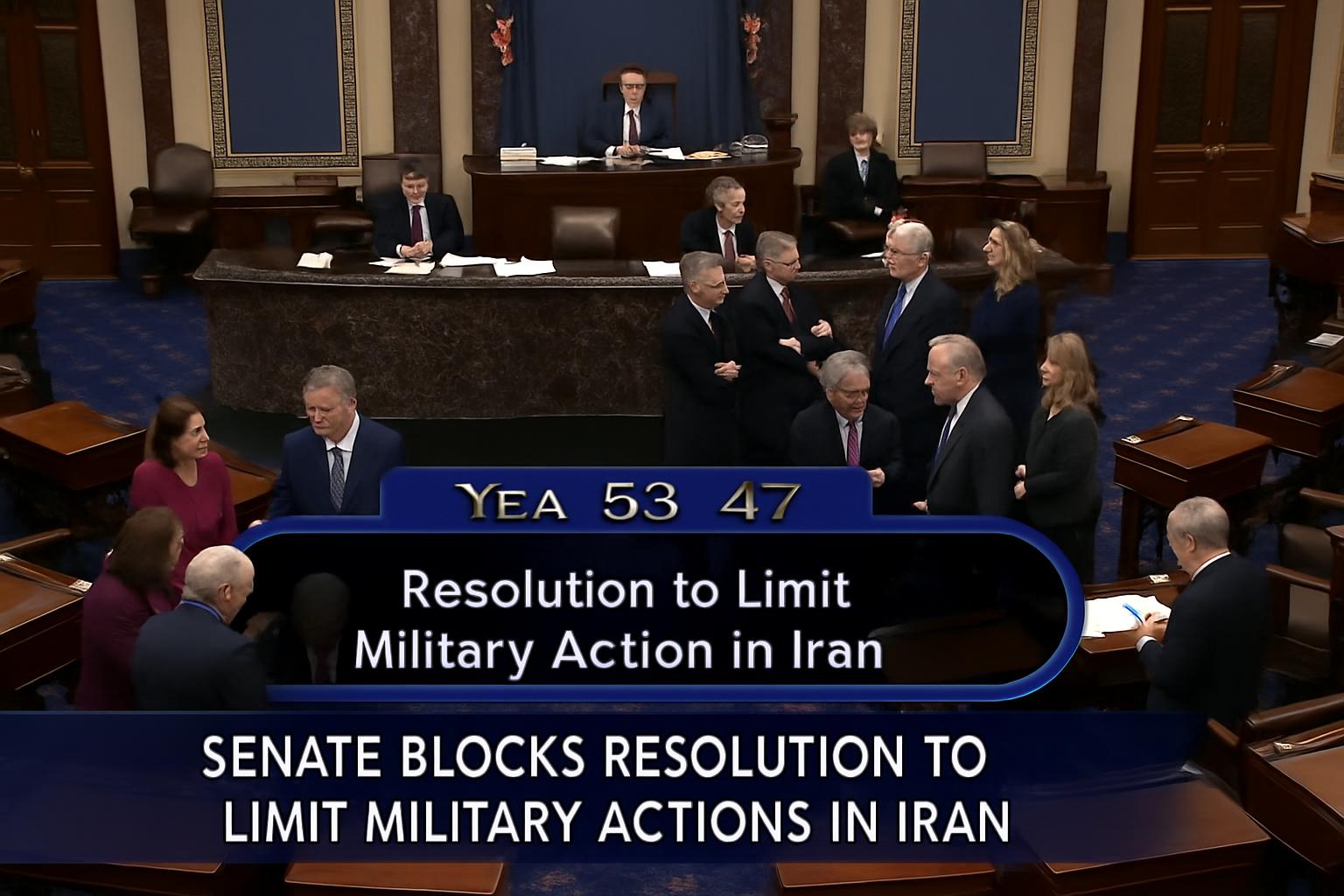
Senate Blocks Resolution to Limit Trump's Military Actions in Iran
Iran Postpones Khamenei Funeral Amid Escalating US-Israeli Strikes
Russian LNG Tanker Sinks in Mediterranean Amid Accusations of Ukrainian Drone Attack

Middle East Conflict Drives UK Energy Prices to New Highs
International Pressure Mounts as Israel Plans Gaza City Offensive Amid Hostage Negotiations
In This Article
 Ethan Brooks| Published
 HIGHLIGHTS
- The UK and 26 other countries have urged Israel to allow foreign media access to Gaza, condemning attacks on journalists and calling for press freedom.
- Israeli Prime Minister Netanyahu has initiated negotiations for the release of hostages while approving a military offensive on Gaza City.
- International and domestic opposition to Israel's military plans is growing, with concerns over worsening humanitarian conditions in Gaza.
- Hamas has agreed to a ceasefire proposal, but Israel demands the release of all hostages and disarmament of Hamas as conditions for ending the conflict.
- The humanitarian situation in Gaza is dire, with reports of malnutrition and mass displacement amid ongoing military actions.
The international community is intensifying calls for Israel to permit foreign media access to Gaza, as the conflict in the region escalates. The UK, alongside 26 other nations, has signed a statement from the Media Freedom Coalition urging Israel to lift its ban on independent journalists entering Gaza. This move comes amid reports of targeted attacks on journalists, with at least 192 media workers killed since the conflict began, according to the Committee to Protect Journalists (CPJ).
Media Access and Press Freedom
The coalition's statement condemns the targeting of journalists and insists on investigations into such attacks. The recent killing of four Al Jazeera journalists in a strike near Gaza City's al-Shifa Hospital has heightened concerns. Israel's Defense Forces (IDF) claimed one of the journalists was linked to Hamas, a charge denied by Al Jazeera and unsubstantiated by evidence, according to the CPJ. Despite these challenges, local journalists continue to report under perilous conditions, often facing threats of starvation and violence.
Military Offensive and Hostage Negotiations
Israeli Prime Minister Benjamin Netanyahu has announced plans for a significant military offensive on Gaza City, despite widespread opposition. This decision coincides with his directive to begin negotiations for the release of hostages held by Hamas. While Hamas has accepted a ceasefire proposal mediated by Qatar and Egypt, Netanyahu insists on the release of all hostages and the disarmament of Hamas as prerequisites for ending the conflict.
Humanitarian Crisis Deepens
The humanitarian situation in Gaza is deteriorating rapidly. The UN and aid organizations warn of severe malnutrition and displacement, exacerbated by Israel's military actions. The Red Cross and other international bodies have condemned the planned offensive, fearing it will worsen the already dire conditions for Gaza's residents. The UN has reported a six-fold increase in malnutrition among children in Gaza City since March, highlighting the urgent need for humanitarian aid.
International and Domestic Reactions
Israel's plans have sparked significant international and domestic backlash. The UK Foreign Office has summoned the Israeli ambassador over settlement plans in the West Bank, while protests within Israel call for a ceasefire and the release of hostages. The complex political landscape within Israel, coupled with ongoing legal challenges facing Netanyahu, adds layers of complexity to the unfolding situation.
WHAT THIS MIGHT MEAN
As Israel prepares for a potential military offensive in Gaza City, the international community's response will be crucial in shaping the conflict's trajectory. If Israel proceeds with its plans, it risks further isolating itself diplomatically and exacerbating the humanitarian crisis. Conversely, successful negotiations for a comprehensive ceasefire and hostage release could pave the way for de-escalation. However, Netanyahu's political maneuvers, influenced by internal pressures and legal challenges, may complicate efforts for a peaceful resolution. The coming weeks will be pivotal in determining whether diplomatic efforts can prevail over military actions.
Related Articles
US and Israel Intensify Military Campaign as Iran's Capabilities Dwindle
Intensified US-Israel Strikes on Iran Spark Global Outcry
Senate Blocks Resolution to Limit Trump's Military Actions in Iran
Iran Postpones Khamenei Funeral Amid Escalating US-Israeli Strikes
Russian LNG Tanker Sinks in Mediterranean Amid Accusations of Ukrainian Drone Attack
Middle East Conflict Drives UK Energy Prices to New Highs