
Japan Implements Stricter Boxing Safety Measures After Tragic Deaths
In This Article
HIGHLIGHTS
- Japan's boxing authorities have introduced stricter safety measures following the deaths of two fighters, Shigetoshi Kotari and Hiromasa Urakawa, in Tokyo.
- New rules include pre-bout urine tests for dehydration and stricter regulations on rapid weight loss.
- The Japan Boxing Commission (JBC) has reduced Oriental and Pacific Boxing Federation (OPBF) title bouts from 12 to 10 rounds.
- Ambulances will now be required on-site for all bouts, not just world-title fights, to ensure immediate medical response.
- An accident investigation committee will determine the cause of the deaths and update prevention measures.
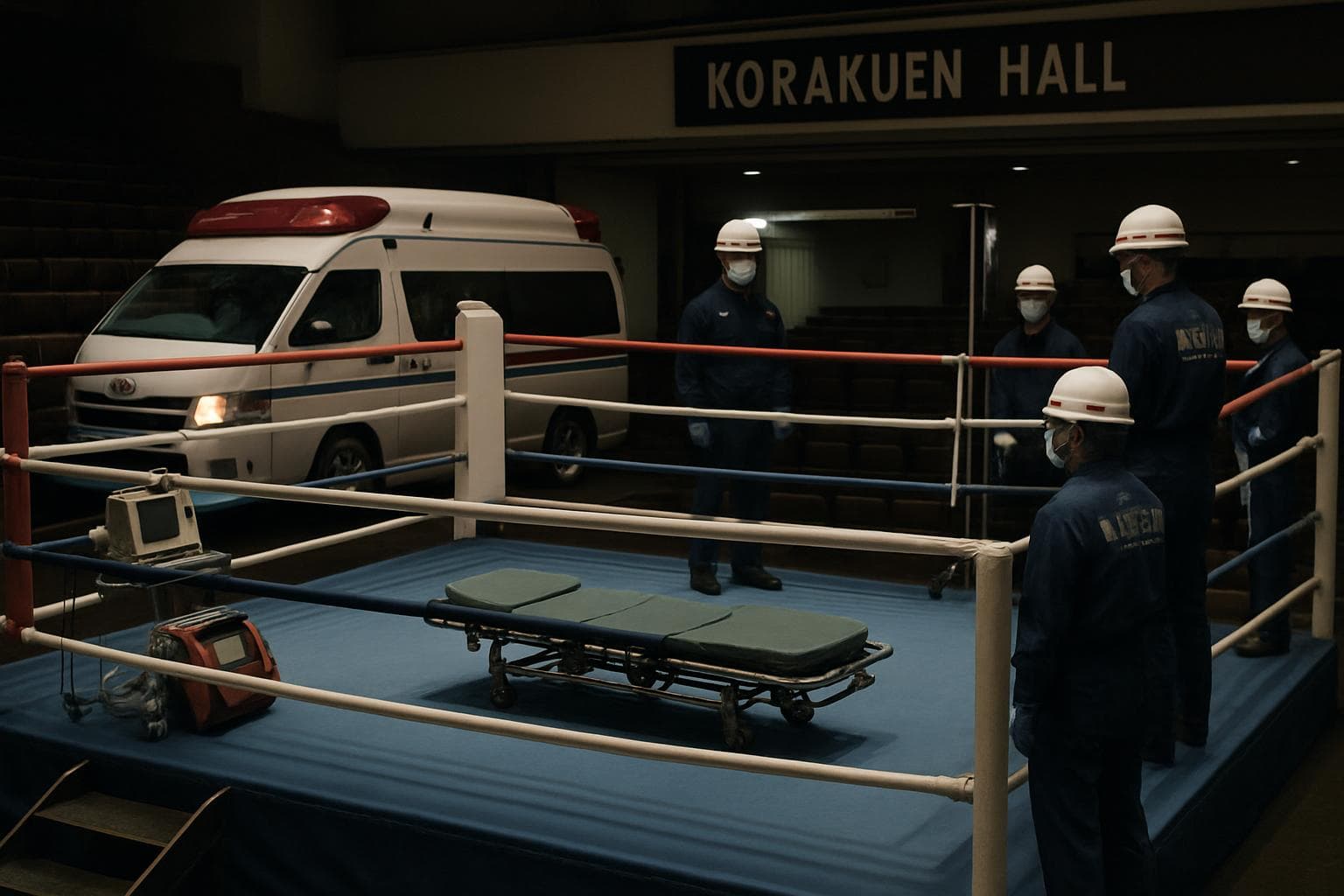
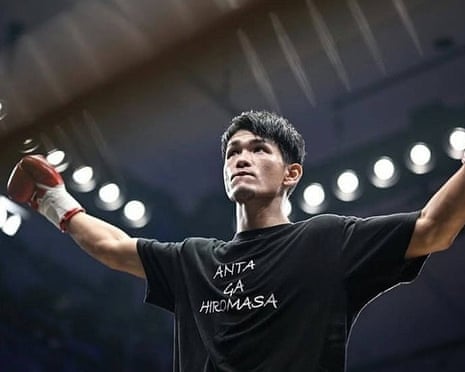
In response to the recent deaths of two boxers, Shigetoshi Kotari and Hiromasa Urakawa, the Japan Boxing Commission (JBC) has announced a series of stringent safety measures aimed at preventing similar tragedies in the future. Both fighters, aged 28, succumbed to brain injuries sustained during separate bouts on the same card at Tokyo's Korakuen Hall on August 2.
New Safety Protocols
The JBC, in collaboration with the Japanese Professional Boxing Association (JPBA) and gym owners, has introduced several key changes. Among them is the implementation of pre-bout urine tests to assess dehydration levels, a critical factor linked to increased susceptibility to brain injuries. Additionally, the commission has tightened rules on rapid weight loss, a common practice among fighters to "make weight," which experts warn can exacerbate the risk of subdural haematoma—a condition where blood collects between the skull and the brain.
Changes to Fight Regulations
In a bid to enhance fighter safety, the JBC has decided to reduce the number of rounds in Oriental and Pacific Boxing Federation (OPBF) title fights from 12 to 10. This decision follows the tragic events where Kotari, after a grueling 12-round match, collapsed and later died despite emergency surgery. Urakawa's death, announced just a day after Kotari's, further underscored the urgent need for reform.
Enhanced Medical Support
To ensure immediate medical intervention, ambulances will now be mandatory at all boxing events, not just world-title fights. These ambulances will be paired with hospitals equipped to perform emergency surgeries for head and other injuries. "Officials have decided to take all possible measures to ensure that the deaths of these two boxers are not in vain," stated Tsuyoshi Yasukochi, JBC's secretary general.
Investigation and Future Steps
An accident investigation committee is set to convene later this month to ascertain the precise causes of the fatalities and to update the JBC's guidance on preventive measures. The JBC and JPBA will also engage with medical professionals and the amateur boxing federation to further refine safety protocols.
WHAT THIS MIGHT MEAN
The introduction of these measures marks a significant shift in Japan's approach to boxing safety, potentially setting a precedent for other boxing commissions worldwide. Should these measures prove effective, they could lead to broader adoption of similar protocols internationally, enhancing fighter safety across the sport. However, the success of these initiatives will largely depend on rigorous enforcement and ongoing evaluation of their impact on reducing boxing-related injuries and fatalities.
Images from the Web
Related Articles
Record-Breaking Bluefin Tuna Fetches $3.2 Million at Tokyo Auction
Japan-China Tensions Escalate Over Taiwan Conflict Remarks

US Allies Break with Trump Over Palestinian State Recognition Amid Gaza Crisis

US-Japan Trade Deal Sparks Global Market Rally and Sets New Precedent
Sanseito's Electoral Gains Signal Shift in Japan's Political Landscape

Japan Executes 'Twitter Killer' Takahiro Shiraishi for 2017 Murders
Japan Implements Stricter Boxing Safety Measures After Tragic Deaths
In This Article
 Maya Singh| Published
 HIGHLIGHTS
- Japan's boxing authorities have introduced stricter safety measures following the deaths of two fighters, Shigetoshi Kotari and Hiromasa Urakawa, in Tokyo.
- New rules include pre-bout urine tests for dehydration and stricter regulations on rapid weight loss.
- The Japan Boxing Commission (JBC) has reduced Oriental and Pacific Boxing Federation (OPBF) title bouts from 12 to 10 rounds.
- Ambulances will now be required on-site for all bouts, not just world-title fights, to ensure immediate medical response.
- An accident investigation committee will determine the cause of the deaths and update prevention measures.
In response to the recent deaths of two boxers, Shigetoshi Kotari and Hiromasa Urakawa, the Japan Boxing Commission (JBC) has announced a series of stringent safety measures aimed at preventing similar tragedies in the future. Both fighters, aged 28, succumbed to brain injuries sustained during separate bouts on the same card at Tokyo's Korakuen Hall on August 2.
New Safety Protocols
The JBC, in collaboration with the Japanese Professional Boxing Association (JPBA) and gym owners, has introduced several key changes. Among them is the implementation of pre-bout urine tests to assess dehydration levels, a critical factor linked to increased susceptibility to brain injuries. Additionally, the commission has tightened rules on rapid weight loss, a common practice among fighters to "make weight," which experts warn can exacerbate the risk of subdural haematoma—a condition where blood collects between the skull and the brain.
Changes to Fight Regulations
In a bid to enhance fighter safety, the JBC has decided to reduce the number of rounds in Oriental and Pacific Boxing Federation (OPBF) title fights from 12 to 10. This decision follows the tragic events where Kotari, after a grueling 12-round match, collapsed and later died despite emergency surgery. Urakawa's death, announced just a day after Kotari's, further underscored the urgent need for reform.
Enhanced Medical Support
To ensure immediate medical intervention, ambulances will now be mandatory at all boxing events, not just world-title fights. These ambulances will be paired with hospitals equipped to perform emergency surgeries for head and other injuries. "Officials have decided to take all possible measures to ensure that the deaths of these two boxers are not in vain," stated Tsuyoshi Yasukochi, JBC's secretary general.
Investigation and Future Steps
An accident investigation committee is set to convene later this month to ascertain the precise causes of the fatalities and to update the JBC's guidance on preventive measures. The JBC and JPBA will also engage with medical professionals and the amateur boxing federation to further refine safety protocols.
WHAT THIS MIGHT MEAN
The introduction of these measures marks a significant shift in Japan's approach to boxing safety, potentially setting a precedent for other boxing commissions worldwide. Should these measures prove effective, they could lead to broader adoption of similar protocols internationally, enhancing fighter safety across the sport. However, the success of these initiatives will largely depend on rigorous enforcement and ongoing evaluation of their impact on reducing boxing-related injuries and fatalities.
Images from the Web
Related Articles
Record-Breaking Bluefin Tuna Fetches $3.2 Million at Tokyo Auction
Japan-China Tensions Escalate Over Taiwan Conflict Remarks
US Allies Break with Trump Over Palestinian State Recognition Amid Gaza Crisis
US-Japan Trade Deal Sparks Global Market Rally and Sets New Precedent
Sanseito's Electoral Gains Signal Shift in Japan's Political Landscape
Japan Executes 'Twitter Killer' Takahiro Shiraishi for 2017 Murders