
Judge Dismisses Charges Against Comey and James Amidst Legal Controversy
In This Article
HIGHLIGHTS
- A federal judge dismissed charges against James Comey and Letitia James due to the unlawful appointment of prosecutor Lindsey Halligan.
- The Trump administration may appeal the ruling, with US Attorney General Pam Bondi indicating plans for an immediate appeal.
- Both Comey and James were charged with separate offenses, which they claim were politically motivated by the Trump administration.
- Legal experts describe the situation as unprecedented, with potential for new indictments if a lawfully appointed prosecutor is involved.
- The Fourth Circuit Court of Appeals may become involved if the Department of Justice challenges the dismissal.
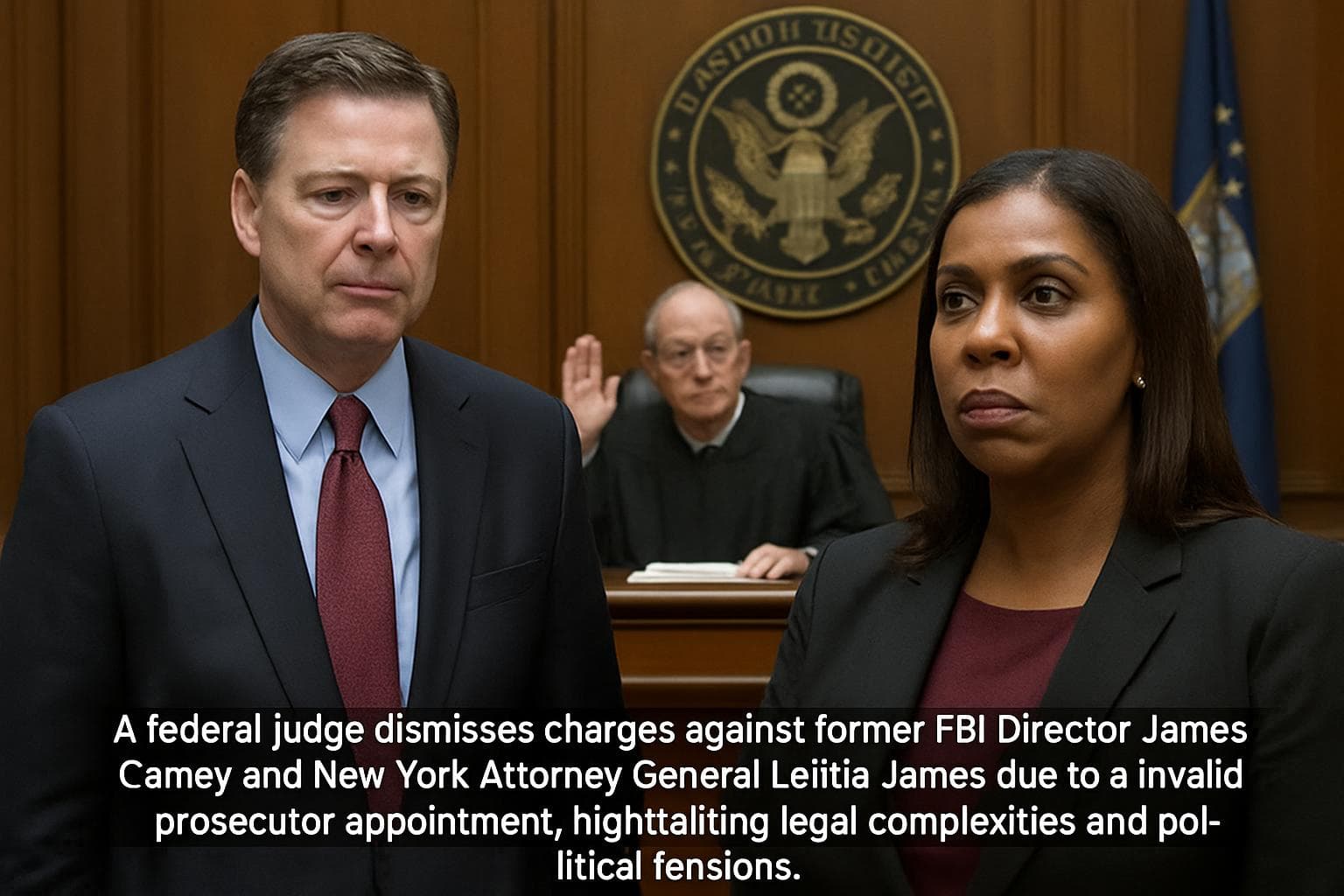
In a significant legal development, a federal judge has dismissed criminal charges against former FBI Director James Comey and New York Attorney General Letitia James, citing the unlawful appointment of the prosecutor involved. The decision, delivered by US District Judge Cameron Currie, marks a notable setback for the Trump administration's legal actions against two of its prominent critics.
Unlawful Appointment Leads to Dismissal
The charges were thrown out on the grounds that Lindsey Halligan, appointed as interim US attorney for the eastern district of Virginia, lacked the legal authority to present the indictments. Judge Currie, in her opinion, stated that Halligan's appointment was invalid, rendering her actions in the cases against Comey and James unauthorized. This ruling has been hailed as a victory by both defendants, who have consistently denied any wrongdoing and accused the Trump administration of retaliatory prosecution.
Potential for Appeal and New Indictments
Despite the dismissal, the legal battle is far from over. US Attorney General Pam Bondi has expressed intentions to appeal the decision, potentially taking the case to the Fourth Circuit Court of Appeals. The Department of Justice, known for its aggressive legal strategies under the Trump administration, may pursue new indictments if a lawfully appointed prosecutor is involved. Legal experts, however, caution that the path forward is fraught with complexities, particularly in Comey's case, where procedural challenges could arise.
Charges and Political Implications
James Comey faced charges of making false statements to Congress and obstruction of justice, while Letitia James was accused of bank fraud and making false statements to a financial institution. Both have pleaded not guilty, asserting that the charges were politically motivated. The cases have drawn significant attention due to their implications for the Trump administration's legal strategies and the broader political landscape.
WHAT THIS MIGHT MEAN
The dismissal of charges against Comey and James opens a complex legal landscape, with potential appeals and new indictments on the horizon. If the Department of Justice pursues an appeal, the Fourth Circuit Court of Appeals will play a crucial role in determining the outcome. Legal experts suggest that the unprecedented nature of the cases could lead to significant procedural challenges, particularly if new indictments are sought.
Politically, the cases underscore ongoing tensions between the Trump administration and its critics, with accusations of vindictive prosecution adding to the controversy. As the legal proceedings unfold, the outcomes could have far-reaching implications for the administration's approach to legal challenges and its relationship with key political figures.
Images from the Web

Related Articles
Clintons to Testify as Epstein Files Spark Allegations of Cover-Up
Don Lemon Pleads Not Guilty in Minnesota Church Protest Case
Congress Subpoenas Attorney General Bondi in Epstein Investigation

US Military Strikes on Alleged Drug Boats Raise Legal Concerns

Geneva Peace Talks: Russia and Ukraine Seek Resolution Amid Ongoing Conflict
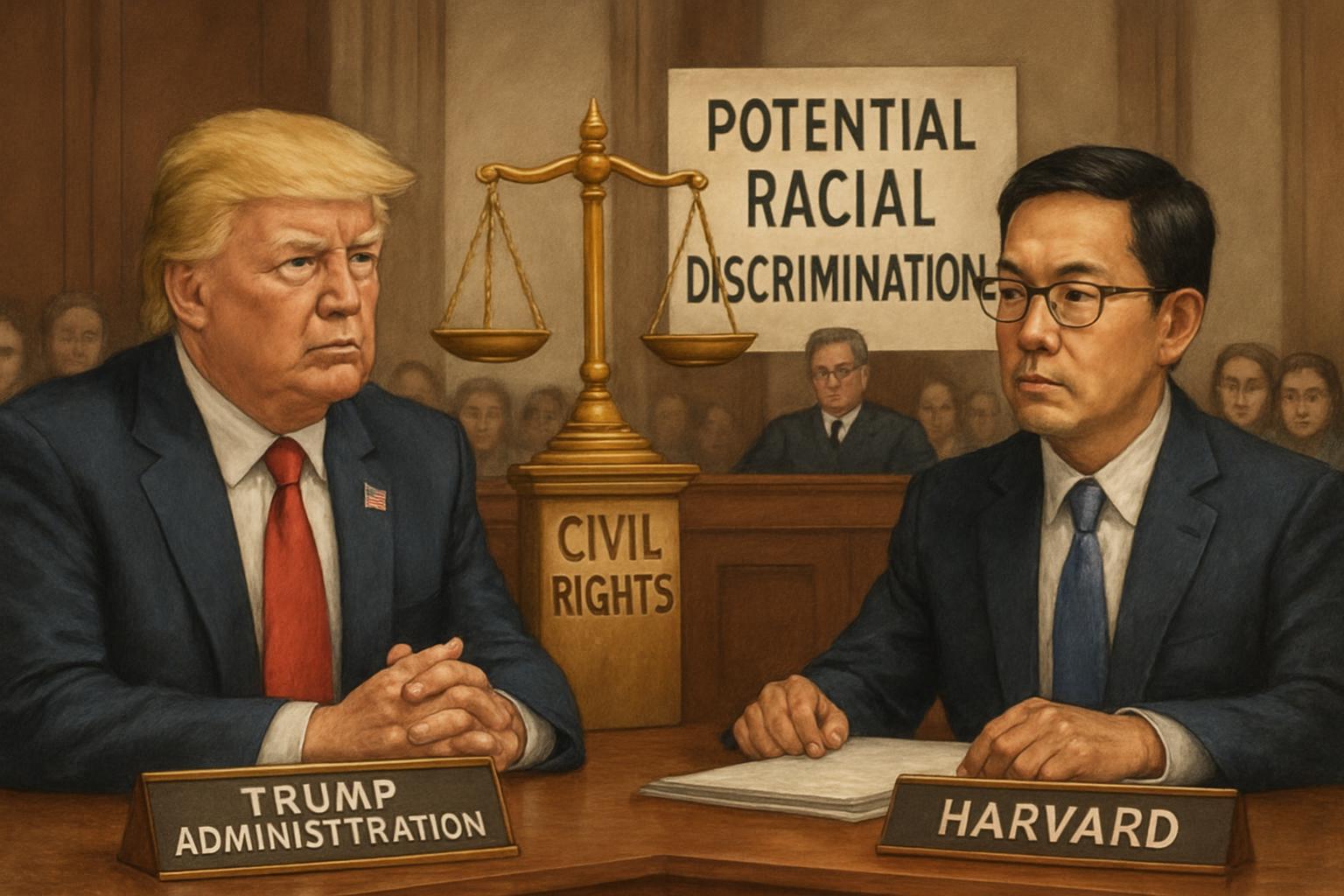
Trump Administration Sues Harvard Over Alleged Non-Compliance in Admissions Investigation
Judge Dismisses Charges Against Comey and James Amidst Legal Controversy
In This Article
 Ethan Brooks| Published
 HIGHLIGHTS
- A federal judge dismissed charges against James Comey and Letitia James due to the unlawful appointment of prosecutor Lindsey Halligan.
- The Trump administration may appeal the ruling, with US Attorney General Pam Bondi indicating plans for an immediate appeal.
- Both Comey and James were charged with separate offenses, which they claim were politically motivated by the Trump administration.
- Legal experts describe the situation as unprecedented, with potential for new indictments if a lawfully appointed prosecutor is involved.
- The Fourth Circuit Court of Appeals may become involved if the Department of Justice challenges the dismissal.
In a significant legal development, a federal judge has dismissed criminal charges against former FBI Director James Comey and New York Attorney General Letitia James, citing the unlawful appointment of the prosecutor involved. The decision, delivered by US District Judge Cameron Currie, marks a notable setback for the Trump administration's legal actions against two of its prominent critics.
Unlawful Appointment Leads to Dismissal
The charges were thrown out on the grounds that Lindsey Halligan, appointed as interim US attorney for the eastern district of Virginia, lacked the legal authority to present the indictments. Judge Currie, in her opinion, stated that Halligan's appointment was invalid, rendering her actions in the cases against Comey and James unauthorized. This ruling has been hailed as a victory by both defendants, who have consistently denied any wrongdoing and accused the Trump administration of retaliatory prosecution.
Potential for Appeal and New Indictments
Despite the dismissal, the legal battle is far from over. US Attorney General Pam Bondi has expressed intentions to appeal the decision, potentially taking the case to the Fourth Circuit Court of Appeals. The Department of Justice, known for its aggressive legal strategies under the Trump administration, may pursue new indictments if a lawfully appointed prosecutor is involved. Legal experts, however, caution that the path forward is fraught with complexities, particularly in Comey's case, where procedural challenges could arise.
Charges and Political Implications
James Comey faced charges of making false statements to Congress and obstruction of justice, while Letitia James was accused of bank fraud and making false statements to a financial institution. Both have pleaded not guilty, asserting that the charges were politically motivated. The cases have drawn significant attention due to their implications for the Trump administration's legal strategies and the broader political landscape.
WHAT THIS MIGHT MEAN
The dismissal of charges against Comey and James opens a complex legal landscape, with potential appeals and new indictments on the horizon. If the Department of Justice pursues an appeal, the Fourth Circuit Court of Appeals will play a crucial role in determining the outcome. Legal experts suggest that the unprecedented nature of the cases could lead to significant procedural challenges, particularly if new indictments are sought.
Politically, the cases underscore ongoing tensions between the Trump administration and its critics, with accusations of vindictive prosecution adding to the controversy. As the legal proceedings unfold, the outcomes could have far-reaching implications for the administration's approach to legal challenges and its relationship with key political figures.
Images from the Web
Related Articles
Clintons to Testify as Epstein Files Spark Allegations of Cover-Up
Don Lemon Pleads Not Guilty in Minnesota Church Protest Case
Congress Subpoenas Attorney General Bondi in Epstein Investigation
US Military Strikes on Alleged Drug Boats Raise Legal Concerns
Geneva Peace Talks: Russia and Ukraine Seek Resolution Amid Ongoing Conflict
Trump Administration Sues Harvard Over Alleged Non-Compliance in Admissions Investigation