
Discovery of 'Punk Rock' Dinosaur in Morocco Challenges Evolutionary Theories
In This Article
HIGHLIGHTS
- Scientists discovered Spicomellus afer, the oldest known ankylosaur, in Morocco, dating back 165 million years.
- The dinosaur's extravagant spikes challenge existing theories on ankylosaur evolution, suggesting early elaborate armor.
- The fossil was found near Boulemane, Morocco, and is missing parts, complicating reconstruction efforts.
- Fossil poaching in Morocco poses challenges, with parts of Spicomellus afer being sold online.
- Researchers speculate the spikes served display purposes before evolving into defensive armor in later periods.
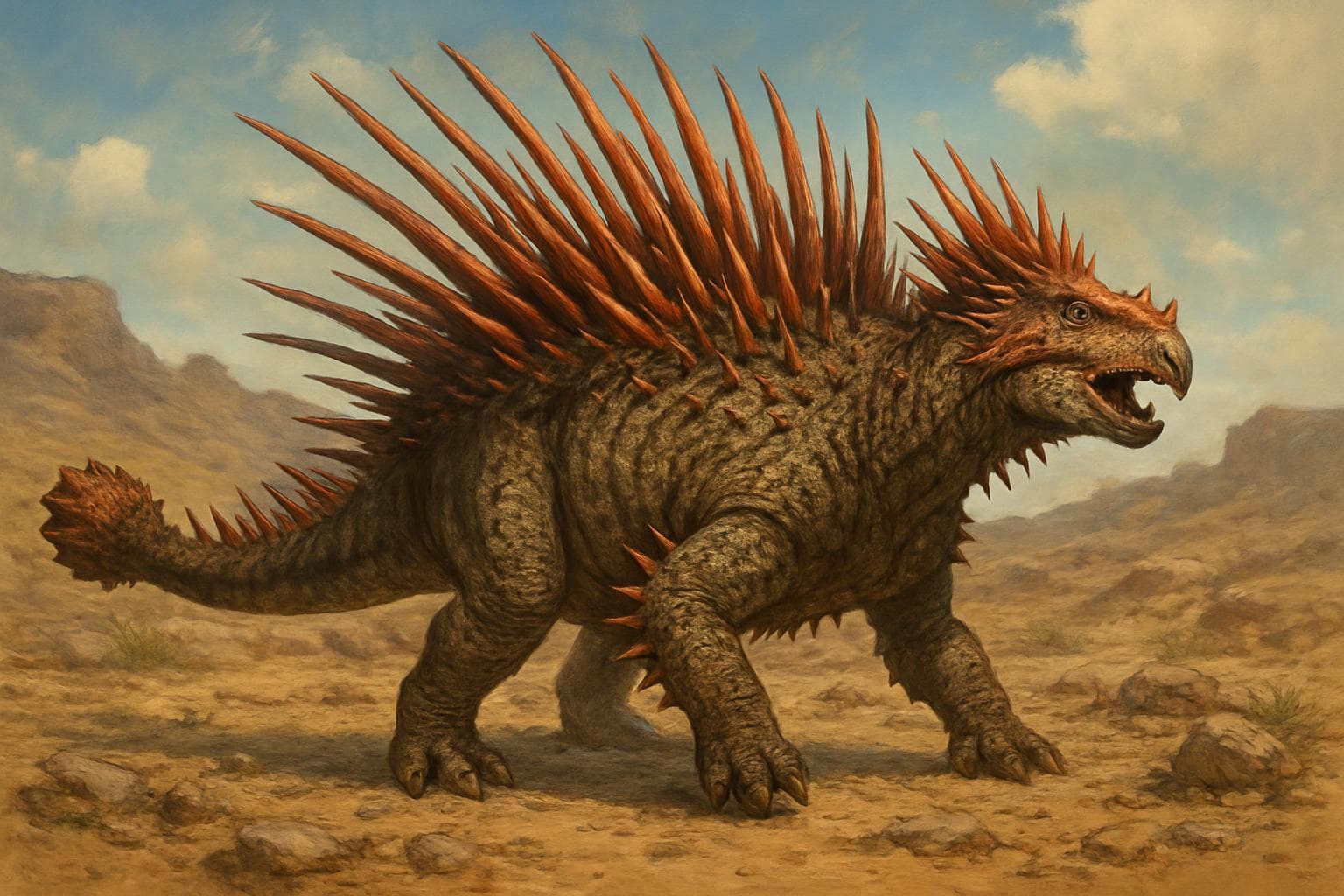
A groundbreaking discovery in Morocco has unveiled Spicomellus afer, the oldest known ankylosaur, dating back 165 million years. This peculiar dinosaur, characterized by its extravagant spikes, has prompted scientists to reconsider the evolutionary trajectory of armoured dinosaurs.
A Bizarre Find in Morocco
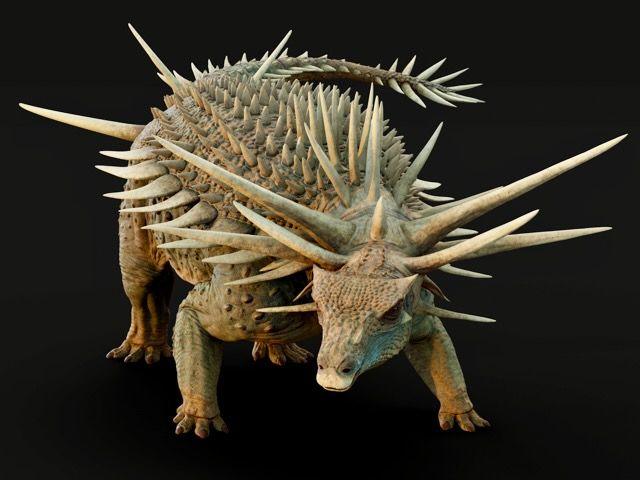
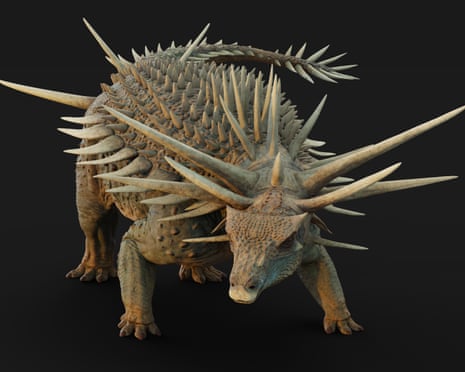
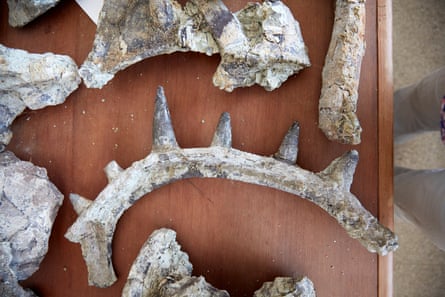
Unearthed near the central Moroccan town of Boulemane, Spicomellus afer's fossil is the earliest ankylosaur specimen discovered to date. The dinosaur's unique features, including metre-long spikes protruding from its neck, have confounded existing theories on ankylosaur evolution. "It's absolutely bristling with spikes all over its body," remarked Professor Richard Butler from the University of Birmingham, who co-led the research.
Reconstructing the Ancient Creature
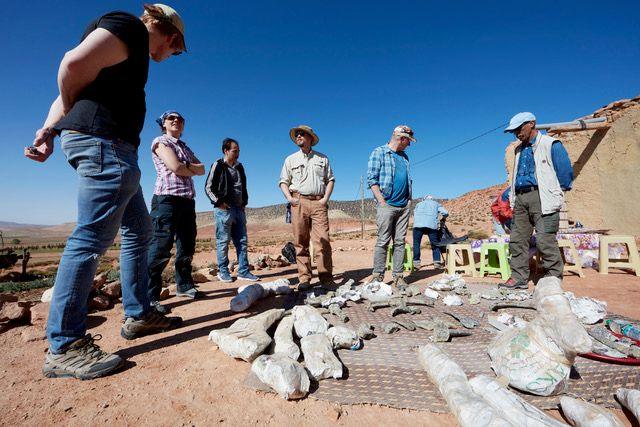
The fossil, though incomplete, suggests that Spicomellus afer measured approximately four meters in length and weighed around two tonnes. Its anatomy, described as "punk rock" by researchers, includes a bony collar and a tail likely ending in a weapon-like structure. "We put all the armour out on a table and tried to figure out where, most logically, it would fit," Butler explained, highlighting the challenges faced in reconstructing the dinosaur's body plan.
Implications for Ankylosaur Evolution
The discovery suggests that ankylosaurs may have initially developed elaborate armor for display purposes, which later evolved into defensive mechanisms during the Cretaceous period. "When you see the neck collar of this thing, it seems like total overkill," Butler noted, indicating that the spikes might have served as dominance or mating displays.
Challenges of Fossil Poaching
The excavation site in Morocco has been targeted by fossil hunters, complicating research efforts. Parts of the Spicomellus afer skeleton have been sold online for significant sums, highlighting the ongoing issue of fossil poaching in the region. "There's a huge problem with fossil poaching in Morocco," Butler emphasized, underscoring the need for protective measures.
WHAT THIS MIGHT MEAN
The discovery of Spicomellus afer could lead to a reevaluation of the evolutionary timeline of ankylosaurs, potentially altering our understanding of how these dinosaurs adapted over millions of years. As researchers continue to study the fossil, further insights into the role of display structures in dinosaur evolution may emerge. Additionally, the issue of fossil poaching in Morocco raises concerns about the preservation of paleontological sites, prompting calls for stricter regulations and international cooperation to protect these invaluable resources.
Images from the Web

Related Articles

UK's PFAS Action Plan Faces Criticism Amid Environmental Concerns

Trump Revokes Canada's Invitation to 'Board of Peace' Amid Financial Dispute

France Intercepts Russian 'Shadow Fleet' Tanker in Mediterranean

Morocco's Afcon 2025: A Showcase of Excellence Amidst Controversy

Israel's Recognition of Somaliland Sparks Diplomatic Controversy

COP30 in Brazil: A Crucial Gathering for Climate Action and Youth Engagement
Discovery of 'Punk Rock' Dinosaur in Morocco Challenges Evolutionary Theories
In This Article
 Himanshu Kaushik| Published
 HIGHLIGHTS
- Scientists discovered Spicomellus afer, the oldest known ankylosaur, in Morocco, dating back 165 million years.
- The dinosaur's extravagant spikes challenge existing theories on ankylosaur evolution, suggesting early elaborate armor.
- The fossil was found near Boulemane, Morocco, and is missing parts, complicating reconstruction efforts.
- Fossil poaching in Morocco poses challenges, with parts of Spicomellus afer being sold online.
- Researchers speculate the spikes served display purposes before evolving into defensive armor in later periods.
A groundbreaking discovery in Morocco has unveiled Spicomellus afer, the oldest known ankylosaur, dating back 165 million years. This peculiar dinosaur, characterized by its extravagant spikes, has prompted scientists to reconsider the evolutionary trajectory of armoured dinosaurs.
A Bizarre Find in Morocco
Unearthed near the central Moroccan town of Boulemane, Spicomellus afer's fossil is the earliest ankylosaur specimen discovered to date. The dinosaur's unique features, including metre-long spikes protruding from its neck, have confounded existing theories on ankylosaur evolution. "It's absolutely bristling with spikes all over its body," remarked Professor Richard Butler from the University of Birmingham, who co-led the research.
Reconstructing the Ancient Creature
The fossil, though incomplete, suggests that Spicomellus afer measured approximately four meters in length and weighed around two tonnes. Its anatomy, described as "punk rock" by researchers, includes a bony collar and a tail likely ending in a weapon-like structure. "We put all the armour out on a table and tried to figure out where, most logically, it would fit," Butler explained, highlighting the challenges faced in reconstructing the dinosaur's body plan.
Implications for Ankylosaur Evolution
The discovery suggests that ankylosaurs may have initially developed elaborate armor for display purposes, which later evolved into defensive mechanisms during the Cretaceous period. "When you see the neck collar of this thing, it seems like total overkill," Butler noted, indicating that the spikes might have served as dominance or mating displays.
Challenges of Fossil Poaching
The excavation site in Morocco has been targeted by fossil hunters, complicating research efforts. Parts of the Spicomellus afer skeleton have been sold online for significant sums, highlighting the ongoing issue of fossil poaching in the region. "There's a huge problem with fossil poaching in Morocco," Butler emphasized, underscoring the need for protective measures.
WHAT THIS MIGHT MEAN
The discovery of Spicomellus afer could lead to a reevaluation of the evolutionary timeline of ankylosaurs, potentially altering our understanding of how these dinosaurs adapted over millions of years. As researchers continue to study the fossil, further insights into the role of display structures in dinosaur evolution may emerge. Additionally, the issue of fossil poaching in Morocco raises concerns about the preservation of paleontological sites, prompting calls for stricter regulations and international cooperation to protect these invaluable resources.
Images from the Web
Related Articles
UK's PFAS Action Plan Faces Criticism Amid Environmental Concerns
Trump Revokes Canada's Invitation to 'Board of Peace' Amid Financial Dispute
France Intercepts Russian 'Shadow Fleet' Tanker in Mediterranean
Morocco's Afcon 2025: A Showcase of Excellence Amidst Controversy
Israel's Recognition of Somaliland Sparks Diplomatic Controversy
COP30 in Brazil: A Crucial Gathering for Climate Action and Youth Engagement