
Russia's Oreshnik Missile Strike Heightens European Security Concerns

In This Article
HIGHLIGHTS
- Russia launched a rare Oreshnik missile strike on Ukraine, targeting infrastructure in Lviv near the EU border.
- The attack resulted in four deaths and 25 injuries in Kyiv, with significant damage to energy facilities.
- Moscow claims the strike was retaliation for an alleged Ukrainian drone attack on Putin's residence, which Kyiv denies.
- The Oreshnik missile, capable of carrying nuclear warheads, poses a grave threat to European security, according to Ukraine's foreign minister.
- EU foreign policy chief Kaja Kallas condemned the strike as a warning to Europe and the US, urging increased sanctions on Moscow.
In a significant escalation of the ongoing conflict, Russia has launched its hypersonic Oreshnik missile at Ukraine, marking only the second known use of this advanced weapon. The strike, which took place overnight, targeted infrastructure in the western city of Lviv, close to the European Union and NATO borders, raising alarms about regional security.
Devastating Impact on Kyiv and Lviv
The missile attack resulted in the deaths of four individuals and injured 25 others in Kyiv, where explosions lit up the night sky. Ukrainian President Volodymyr Zelensky confirmed that the Oreshnik missile struck critical infrastructure in Lviv, approximately 60 kilometers from the Polish border. The missile's hypersonic capabilities allow it to travel up to 5,500 kilometers, and its warhead fragments into multiple projectiles upon descent, causing repeated explosions.
Moscow's Justification and International Response
Russia's defense ministry stated that the missile launch was a response to an alleged Ukrainian drone attack on President Vladimir Putin's residence in December, a claim dismissed by both Kyiv and Washington. Ukrainian Foreign Minister Andrii Sybiha condemned the strike, calling it a "grave threat" to European security and urging international partners to increase pressure on Moscow.
EU foreign policy chief Kaja Kallas echoed these concerns, describing the missile strike as a warning to Europe and the US. "Putin doesn't want peace; Russia's reply to diplomacy is more missiles and destruction," she stated, emphasizing the need for tougher sanctions against Moscow.
Broader Implications and Reactions
The Oreshnik missile, first used in November 2024, is capable of carrying nuclear warheads, although initial reports suggest the recent strike involved inert warheads. Despite this, the symbolic nature of the attack underscores the ongoing tensions between Russia and the West. Pro-Russian military bloggers circulated footage of the strike, showing bright flashes and subsequent explosions over a snow-covered area.
Ukrainian officials reported damage to energy facilities and civilian infrastructure, with efforts underway to restore heating and electricity amid a cold spell. The attack also damaged a building at the Qatari embassy, highlighting the indiscriminate nature of the strikes.
WHAT THIS MIGHT MEAN
The recent use of the Oreshnik missile by Russia could signal a new phase in the conflict, with potential implications for European security. As tensions rise, NATO and EU member states may face increased pressure to bolster their air defense systems and reconsider their diplomatic strategies. The international community's response, particularly in terms of sanctions and military support for Ukraine, will be crucial in shaping the conflict's trajectory. Experts warn that without decisive action, the pattern of missile strikes and retaliatory measures could continue, further destabilizing the region and threatening global security.
Related Articles

Geneva Peace Talks: Russia and Ukraine Seek Resolution Amid Ongoing Conflict
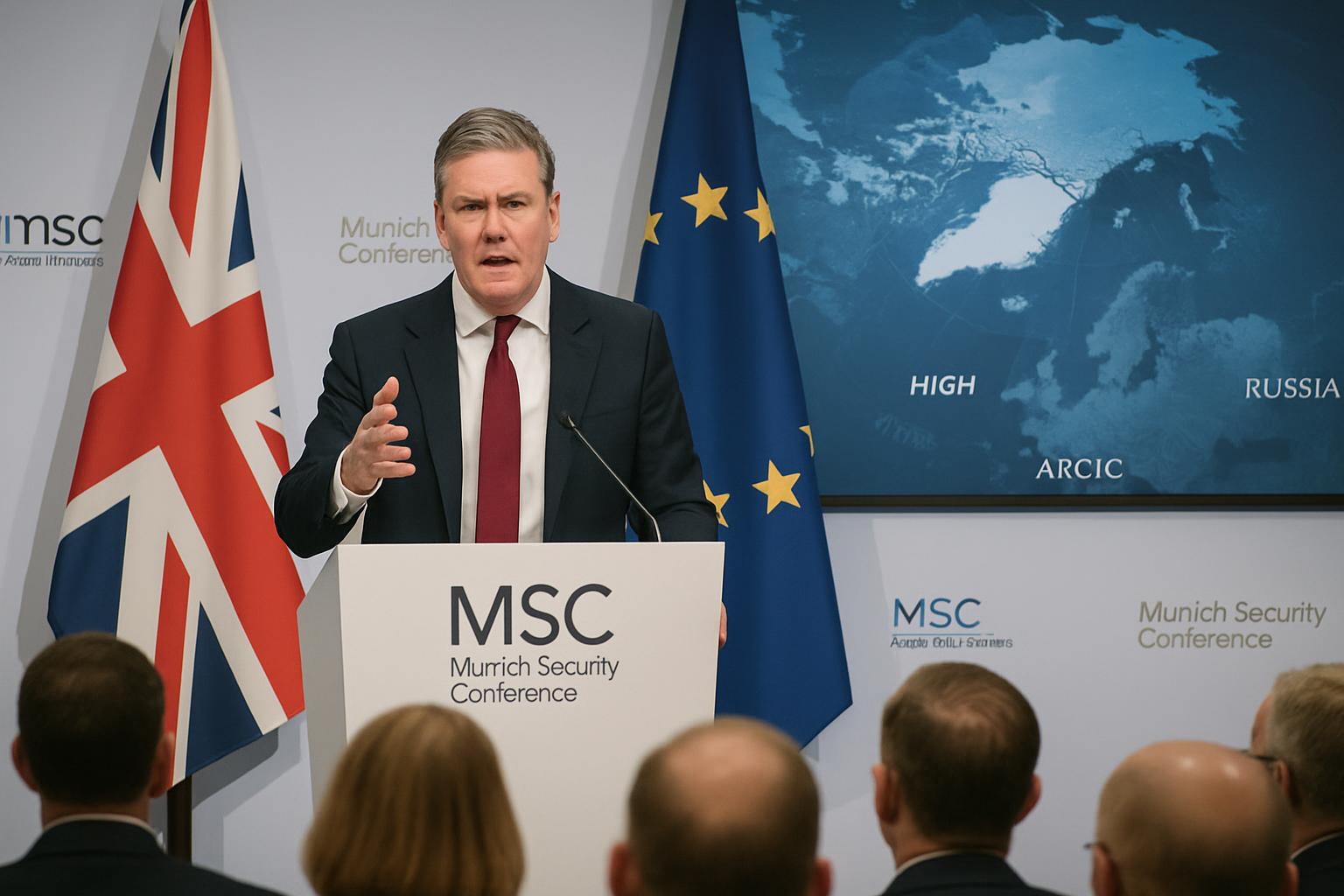
UK PM Keir Starmer Calls for Stronger European Defence Ties at Munich Conference
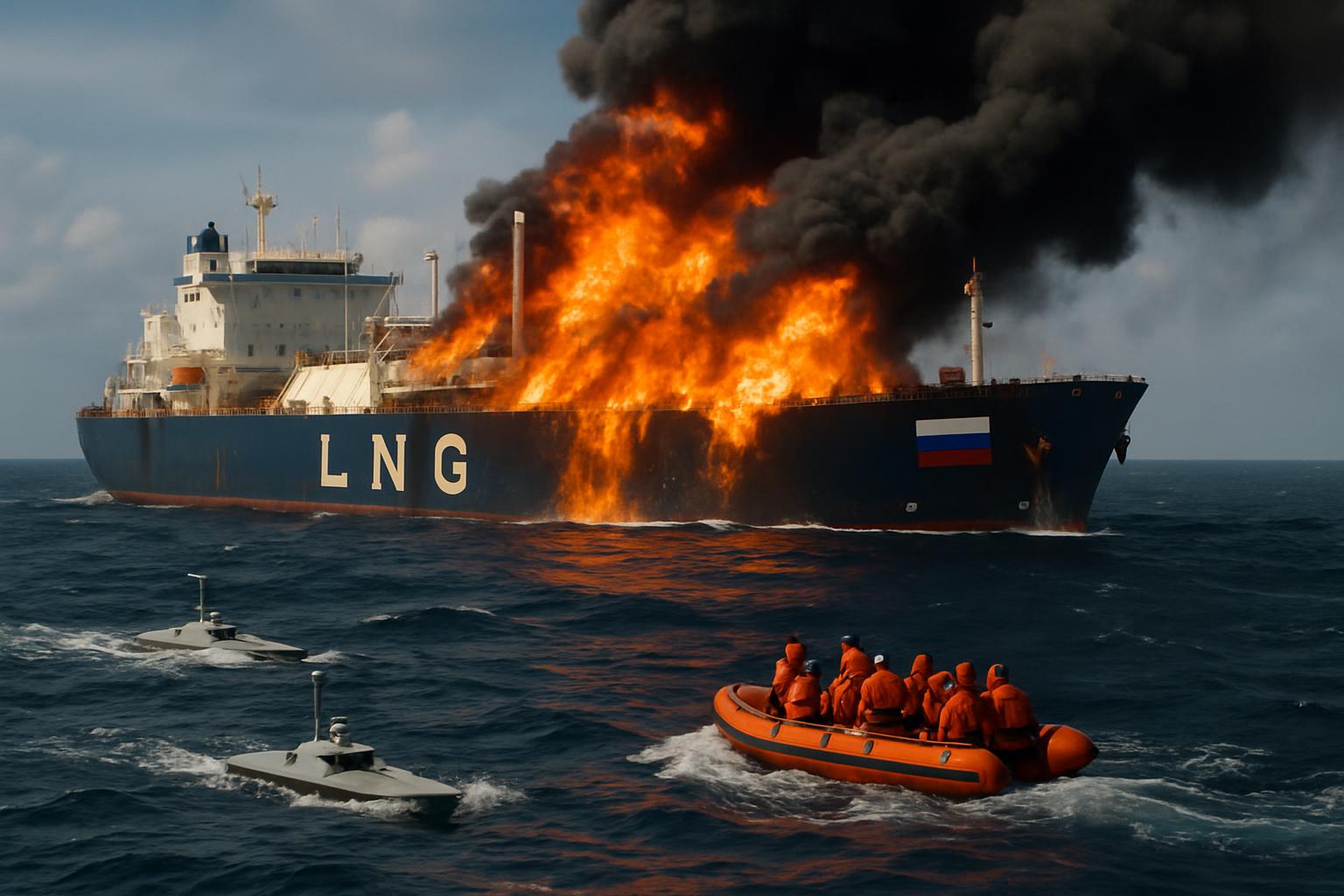
Russian LNG Tanker Sinks in Mediterranean Amid Accusations of Ukrainian Drone Attack
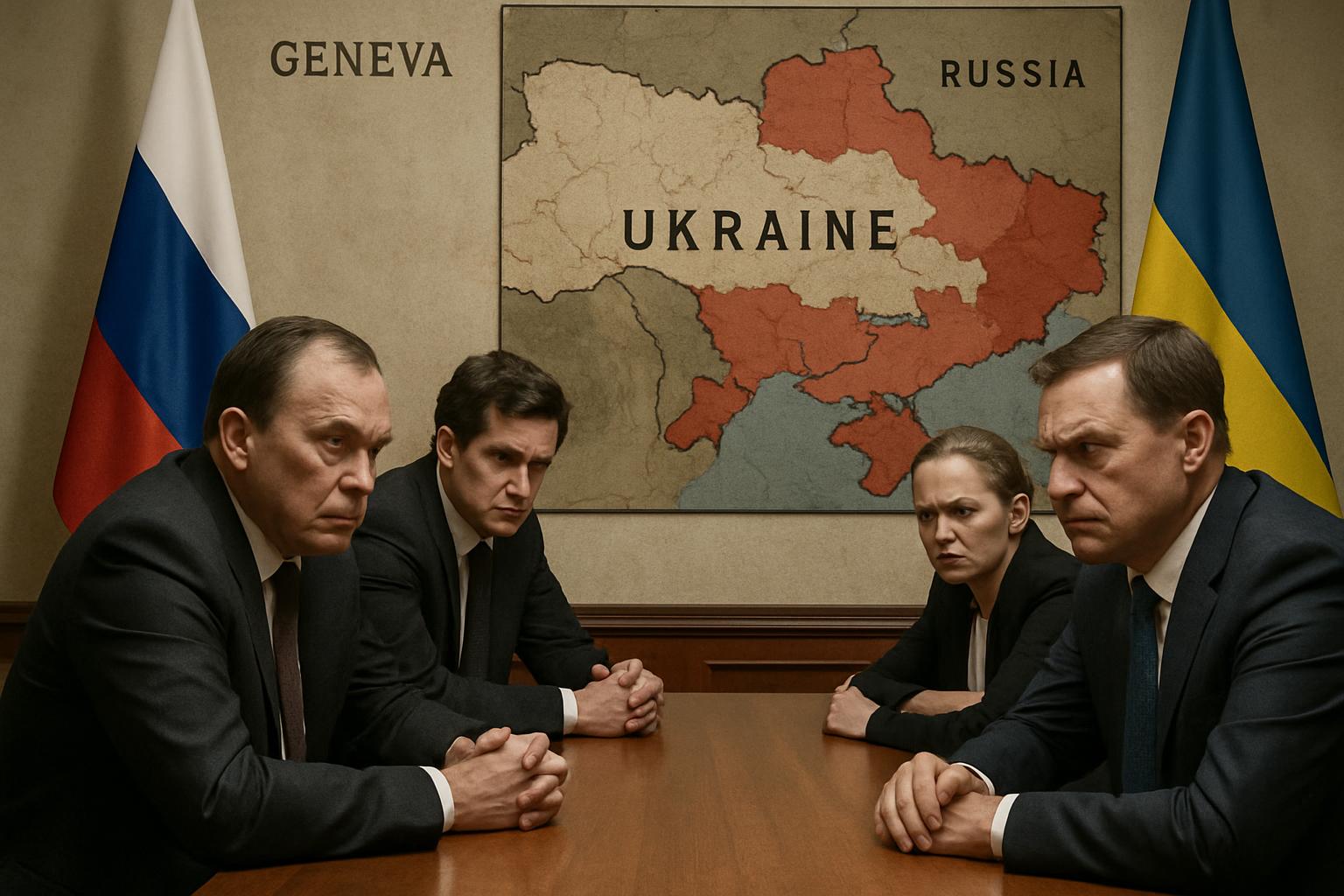
Geneva Peace Talks Between Russia and Ukraine End Without Breakthrough
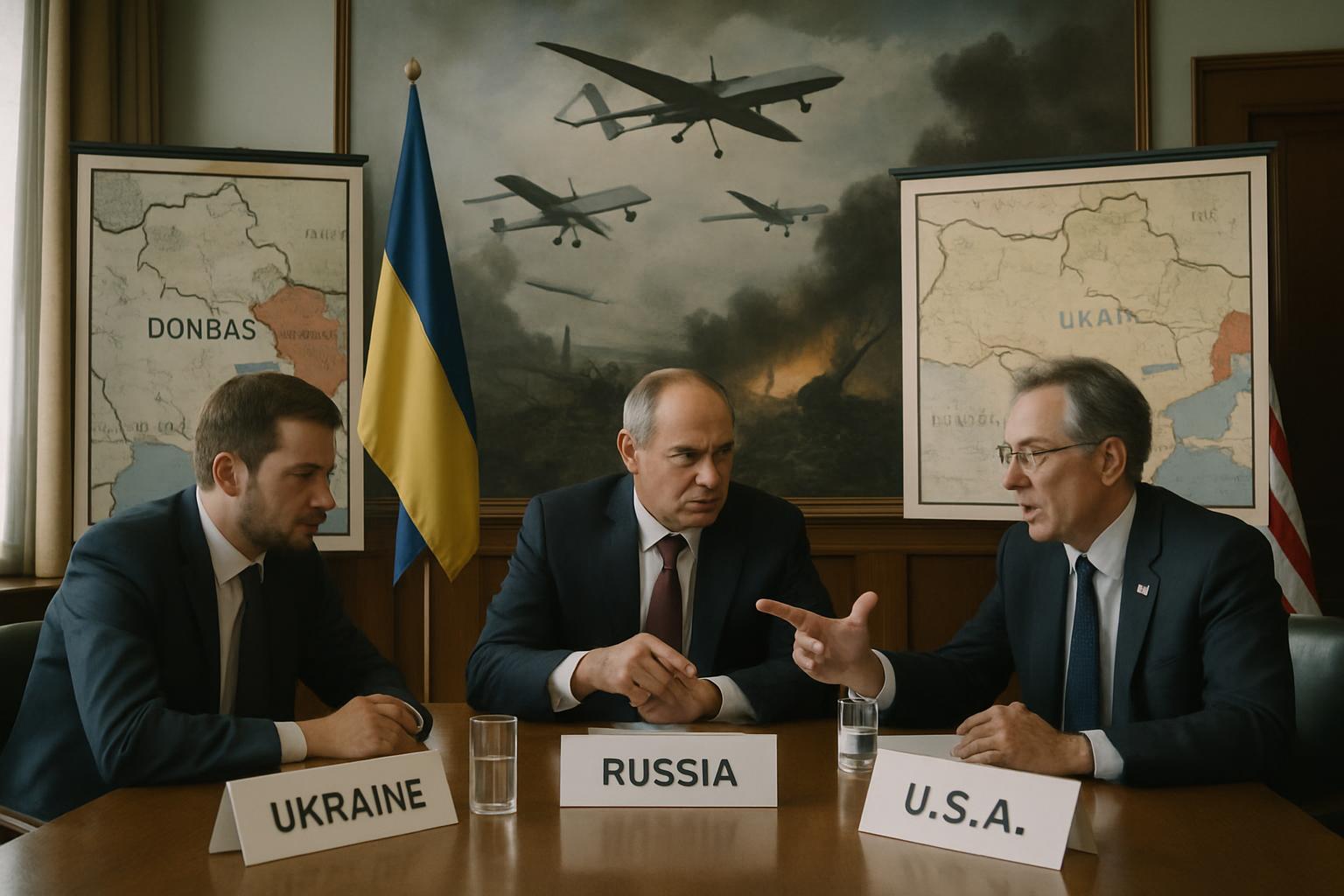
Geneva Talks See 'Meaningful Progress' Amid Tensions Over Ukraine-Russia Conflict
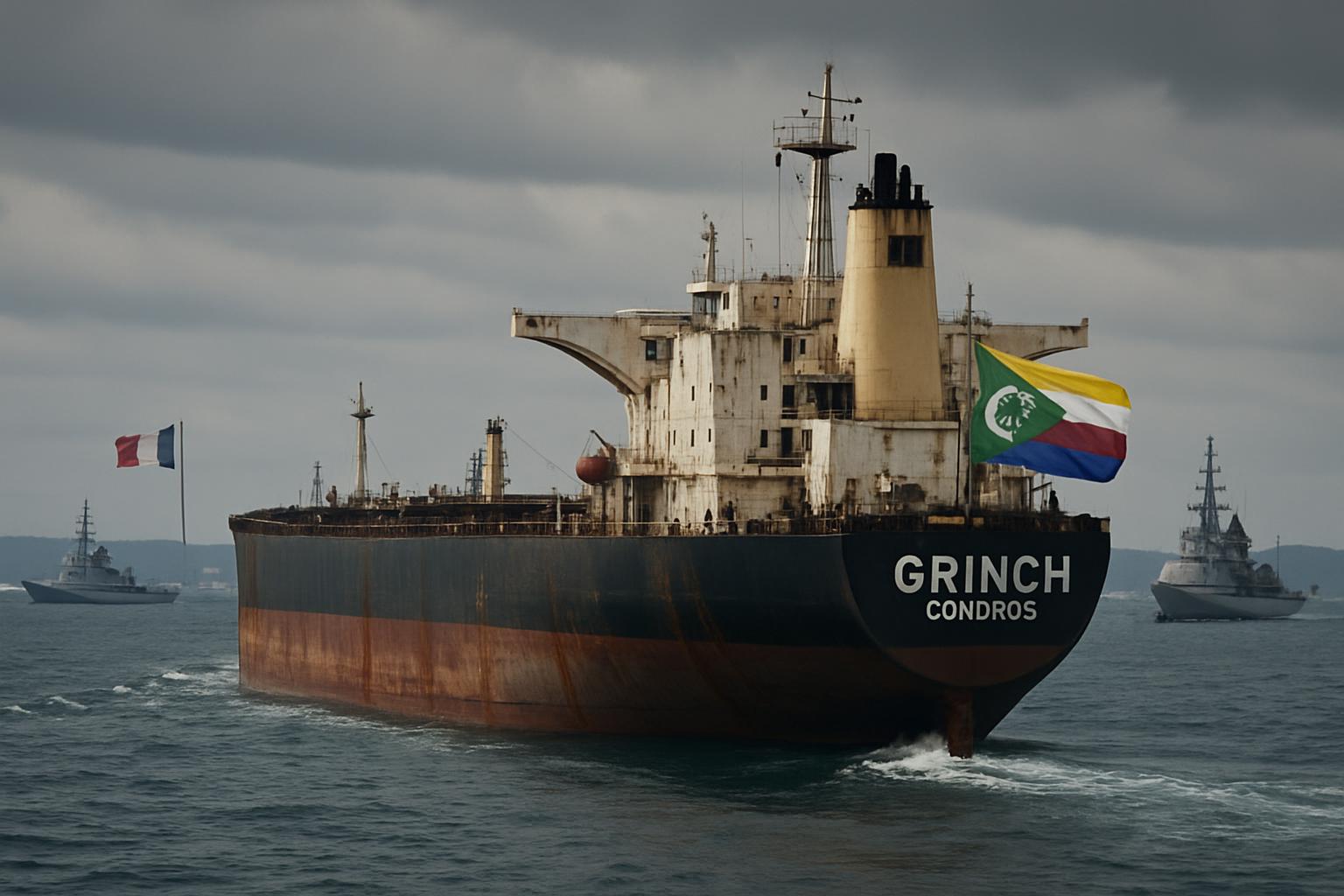
France Releases Russian 'Shadow Fleet' Tanker Amid Rising Tensions
Russia's Oreshnik Missile Strike Heightens European Security Concerns
In This Article
 Alex Carter| Published
 HIGHLIGHTS
- Russia launched a rare Oreshnik missile strike on Ukraine, targeting infrastructure in Lviv near the EU border.
- The attack resulted in four deaths and 25 injuries in Kyiv, with significant damage to energy facilities.
- Moscow claims the strike was retaliation for an alleged Ukrainian drone attack on Putin's residence, which Kyiv denies.
- The Oreshnik missile, capable of carrying nuclear warheads, poses a grave threat to European security, according to Ukraine's foreign minister.
- EU foreign policy chief Kaja Kallas condemned the strike as a warning to Europe and the US, urging increased sanctions on Moscow.
In a significant escalation of the ongoing conflict, Russia has launched its hypersonic Oreshnik missile at Ukraine, marking only the second known use of this advanced weapon. The strike, which took place overnight, targeted infrastructure in the western city of Lviv, close to the European Union and NATO borders, raising alarms about regional security.
Devastating Impact on Kyiv and Lviv
The missile attack resulted in the deaths of four individuals and injured 25 others in Kyiv, where explosions lit up the night sky. Ukrainian President Volodymyr Zelensky confirmed that the Oreshnik missile struck critical infrastructure in Lviv, approximately 60 kilometers from the Polish border. The missile's hypersonic capabilities allow it to travel up to 5,500 kilometers, and its warhead fragments into multiple projectiles upon descent, causing repeated explosions.
Moscow's Justification and International Response
Russia's defense ministry stated that the missile launch was a response to an alleged Ukrainian drone attack on President Vladimir Putin's residence in December, a claim dismissed by both Kyiv and Washington. Ukrainian Foreign Minister Andrii Sybiha condemned the strike, calling it a "grave threat" to European security and urging international partners to increase pressure on Moscow.
EU foreign policy chief Kaja Kallas echoed these concerns, describing the missile strike as a warning to Europe and the US. "Putin doesn't want peace; Russia's reply to diplomacy is more missiles and destruction," she stated, emphasizing the need for tougher sanctions against Moscow.
Broader Implications and Reactions
The Oreshnik missile, first used in November 2024, is capable of carrying nuclear warheads, although initial reports suggest the recent strike involved inert warheads. Despite this, the symbolic nature of the attack underscores the ongoing tensions between Russia and the West. Pro-Russian military bloggers circulated footage of the strike, showing bright flashes and subsequent explosions over a snow-covered area.
Ukrainian officials reported damage to energy facilities and civilian infrastructure, with efforts underway to restore heating and electricity amid a cold spell. The attack also damaged a building at the Qatari embassy, highlighting the indiscriminate nature of the strikes.
WHAT THIS MIGHT MEAN
The recent use of the Oreshnik missile by Russia could signal a new phase in the conflict, with potential implications for European security. As tensions rise, NATO and EU member states may face increased pressure to bolster their air defense systems and reconsider their diplomatic strategies. The international community's response, particularly in terms of sanctions and military support for Ukraine, will be crucial in shaping the conflict's trajectory. Experts warn that without decisive action, the pattern of missile strikes and retaliatory measures could continue, further destabilizing the region and threatening global security.
Related Articles
Geneva Peace Talks: Russia and Ukraine Seek Resolution Amid Ongoing Conflict
UK PM Keir Starmer Calls for Stronger European Defence Ties at Munich Conference
Russian LNG Tanker Sinks in Mediterranean Amid Accusations of Ukrainian Drone Attack
Geneva Peace Talks Between Russia and Ukraine End Without Breakthrough
Geneva Talks See 'Meaningful Progress' Amid Tensions Over Ukraine-Russia Conflict
France Releases Russian 'Shadow Fleet' Tanker Amid Rising Tensions