
Rising Demand Strains SEND Services as Councils Face Financial Crisis

In This Article
HIGHLIGHTS
- Essex County Council completed only 1% of SEND assessments within the 20-week legal timeframe last year, the lowest in England.
- The council's high needs budget is projected to be in deficit by £31m this year, potentially reaching £428m by the decade's end.
- Nationally, councils could face debts of £18bn by 2028 due to rising demand for SEND services, risking system collapse.
- The government is preparing reforms to manage SEND spending, with a focus on improving mainstream school inclusion.
- A shortage of educational psychologists is contributing to delays in issuing Education, Health and Care Plans (EHCPs).
Special educational needs and disabilities (SEND) services across England are under severe strain, with Essex County Council and other local authorities grappling with unprecedented demand and financial deficits. Last year, Essex County Council managed to complete only 1% of SEND assessments within the 20-week legal timeframe, marking the worst performance among English councils. Tony Ball, the council's cabinet member for education, acknowledged the shortfall, describing the situation as "absolutely unacceptable" but cautioned that achieving a 100% completion rate is unrealistic given the national average of 46%.
At a recent committee meeting, it was revealed that 27% of Education, Health and Care Plans (EHCPs) were completed within the target period. Amy Greenfield, a parent from Clacton-on-Sea, questioned the fairness of families waiting over a year for an EHCP. In response, Ball admitted, "it is not fair," while Clare Kershaw, Director of Education, noted efforts to increase educational psychology capacity amid a national shortage.
Essex County Council's high needs budget, which supports SEND services, is projected to face a £31m deficit this year, potentially escalating to £428m by the decade's end. This financial strain is mirrored nationally, with councils warning of a potential £18bn debt by 2028 if structural reforms are not implemented. Matthew Hicks, chair of the County Councils Network, emphasized the urgency, stating, "The system is heading towards total collapse in little over four years."
The government is preparing reforms aimed at curbing rising SEND spending while enhancing mainstream school inclusion. A Department for Education spokesperson highlighted the inherited challenges, asserting a commitment to improving conditions so "every child can thrive at their local school."
The surge in EHCPs, which legally guarantee support for conditions like autism and speech difficulties, has led councils to increasingly rely on private specialist schools. This reliance is partly due to the adversarial nature of the current system, where parents often feel compelled to battle for their children's educational needs.
WHAT THIS MIGHT MEAN
The looming financial crisis in SEND services could prompt significant policy shifts. If the government successfully implements reforms, it may stabilize council finances and improve mainstream school inclusion. However, without effective intervention, councils risk insolvency, potentially leading to service cuts and longer waits for families. Experts suggest that addressing the shortage of educational psychologists and streamlining EHCP processes could alleviate some pressure. As the situation unfolds, the balance between financial sustainability and meeting the growing demand for SEND support will be crucial.
Images from the Web

Related Articles
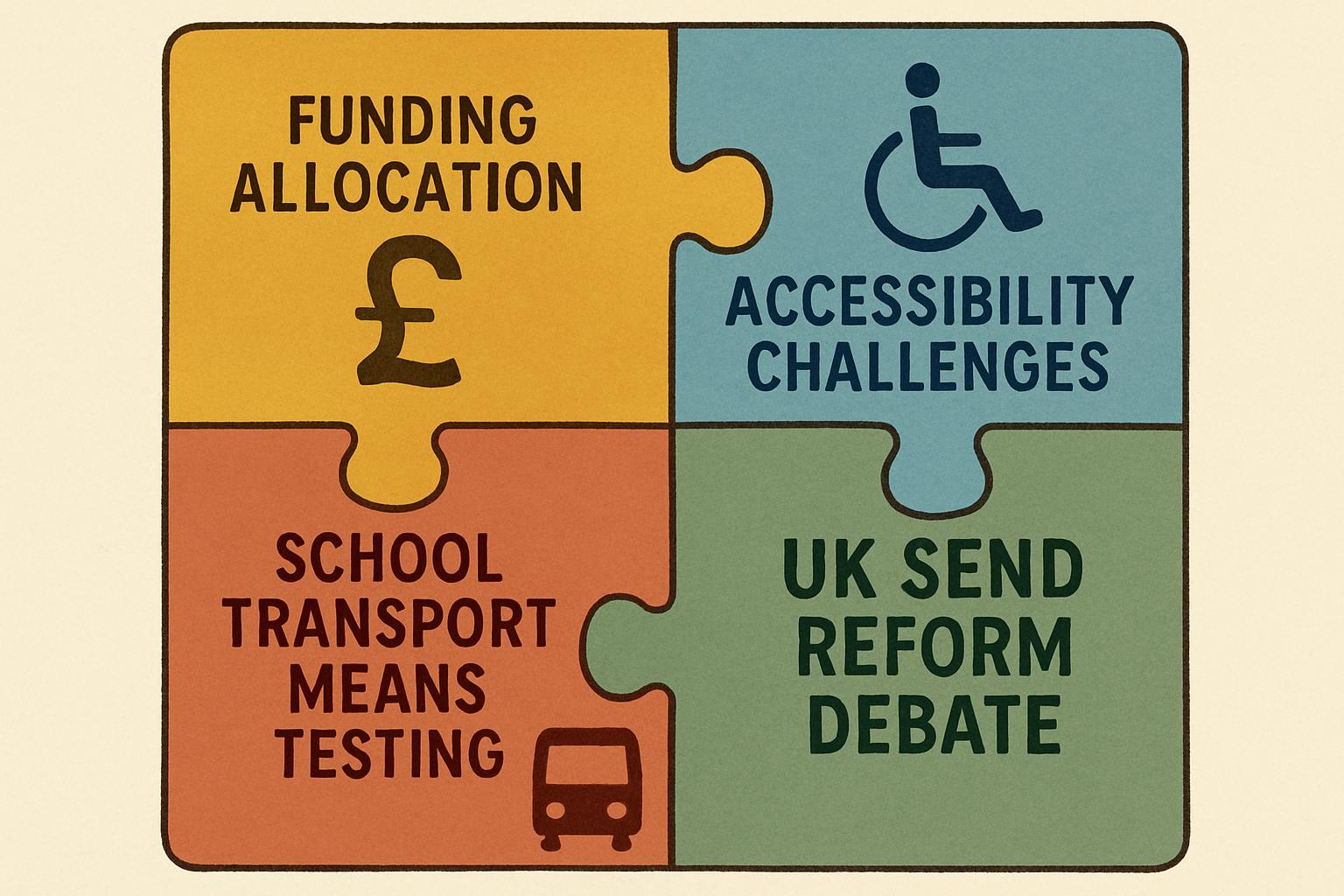
UK Government's SEND Reforms Spark Debate Over Funding and Accessibility
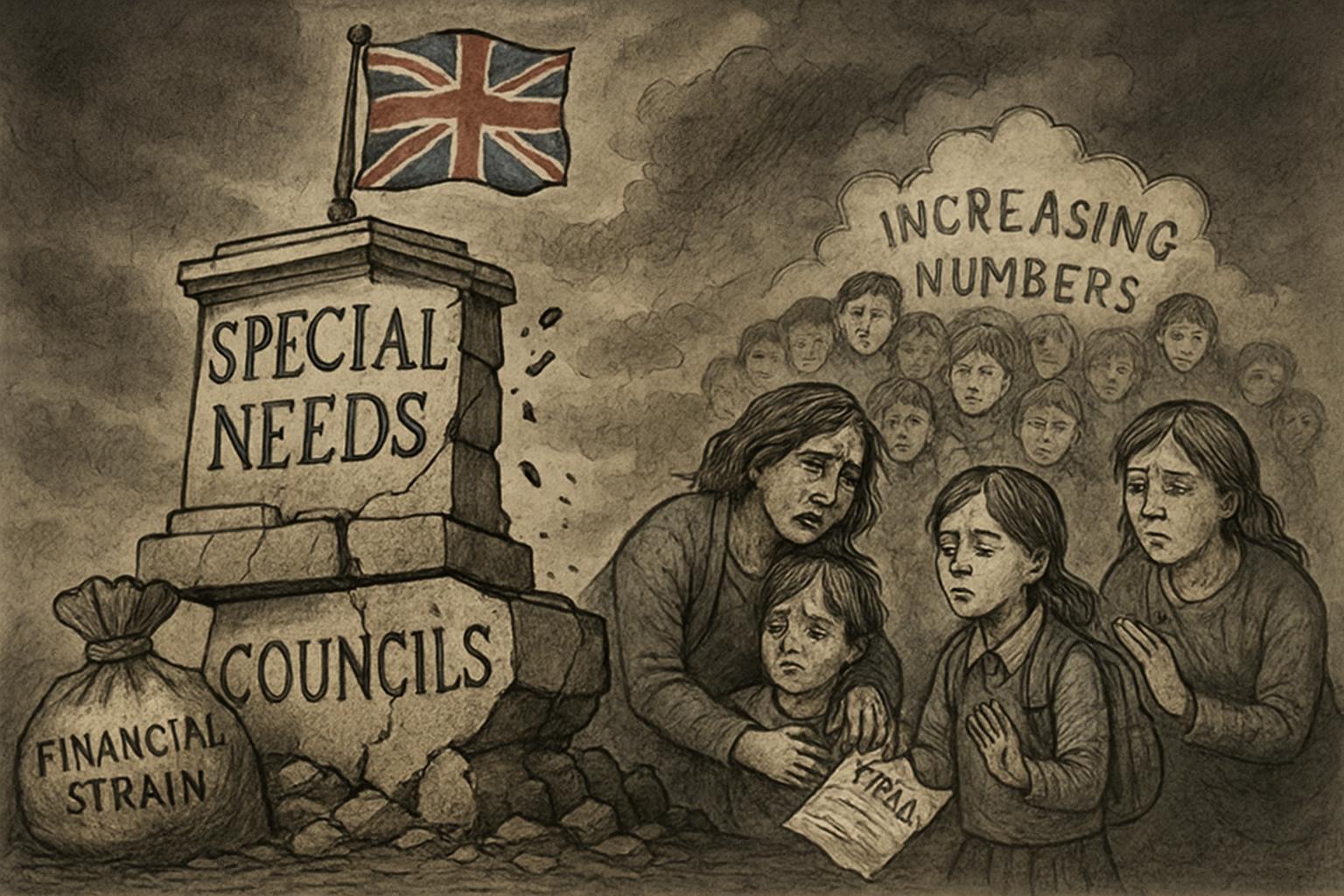
England's Special Needs System on Brink of Collapse Amid Rising Demand and Funding Challenges

UK SEND Education Reforms: New Funding, Infrastructure Proposals, and Potential Backlash

New Guidance on Gender Identity in English Schools Emphasizes Parental Involvement

UK Schools to Expand Special Educational Needs Support with New Initiatives
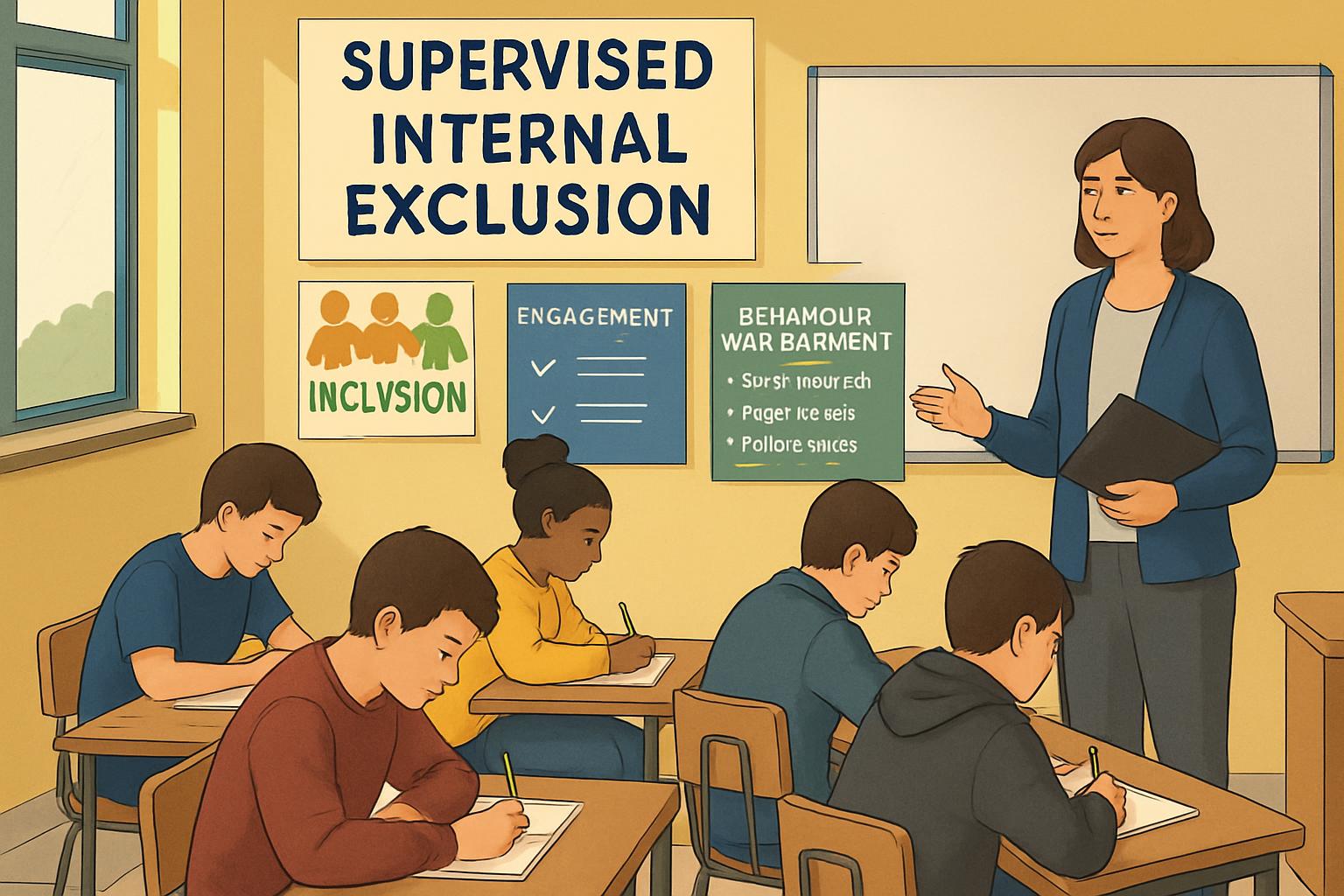
New Guidelines Aim to Keep Suspended Students in School to Curb Lost Learning
Rising Demand Strains SEND Services as Councils Face Financial Crisis
In This Article
 Aya Nakamura| Published
 HIGHLIGHTS
- Essex County Council completed only 1% of SEND assessments within the 20-week legal timeframe last year, the lowest in England.
- The council's high needs budget is projected to be in deficit by £31m this year, potentially reaching £428m by the decade's end.
- Nationally, councils could face debts of £18bn by 2028 due to rising demand for SEND services, risking system collapse.
- The government is preparing reforms to manage SEND spending, with a focus on improving mainstream school inclusion.
- A shortage of educational psychologists is contributing to delays in issuing Education, Health and Care Plans (EHCPs).
Special educational needs and disabilities (SEND) services across England are under severe strain, with Essex County Council and other local authorities grappling with unprecedented demand and financial deficits. Last year, Essex County Council managed to complete only 1% of SEND assessments within the 20-week legal timeframe, marking the worst performance among English councils. Tony Ball, the council's cabinet member for education, acknowledged the shortfall, describing the situation as "absolutely unacceptable" but cautioned that achieving a 100% completion rate is unrealistic given the national average of 46%.
At a recent committee meeting, it was revealed that 27% of Education, Health and Care Plans (EHCPs) were completed within the target period. Amy Greenfield, a parent from Clacton-on-Sea, questioned the fairness of families waiting over a year for an EHCP. In response, Ball admitted, "it is not fair," while Clare Kershaw, Director of Education, noted efforts to increase educational psychology capacity amid a national shortage.
Essex County Council's high needs budget, which supports SEND services, is projected to face a £31m deficit this year, potentially escalating to £428m by the decade's end. This financial strain is mirrored nationally, with councils warning of a potential £18bn debt by 2028 if structural reforms are not implemented. Matthew Hicks, chair of the County Councils Network, emphasized the urgency, stating, "The system is heading towards total collapse in little over four years."
The government is preparing reforms aimed at curbing rising SEND spending while enhancing mainstream school inclusion. A Department for Education spokesperson highlighted the inherited challenges, asserting a commitment to improving conditions so "every child can thrive at their local school."
The surge in EHCPs, which legally guarantee support for conditions like autism and speech difficulties, has led councils to increasingly rely on private specialist schools. This reliance is partly due to the adversarial nature of the current system, where parents often feel compelled to battle for their children's educational needs.
WHAT THIS MIGHT MEAN
The looming financial crisis in SEND services could prompt significant policy shifts. If the government successfully implements reforms, it may stabilize council finances and improve mainstream school inclusion. However, without effective intervention, councils risk insolvency, potentially leading to service cuts and longer waits for families. Experts suggest that addressing the shortage of educational psychologists and streamlining EHCP processes could alleviate some pressure. As the situation unfolds, the balance between financial sustainability and meeting the growing demand for SEND support will be crucial.
Images from the Web
Related Articles
UK Government's SEND Reforms Spark Debate Over Funding and Accessibility
England's Special Needs System on Brink of Collapse Amid Rising Demand and Funding Challenges
UK SEND Education Reforms: New Funding, Infrastructure Proposals, and Potential Backlash
New Guidance on Gender Identity in English Schools Emphasizes Parental Involvement
UK Schools to Expand Special Educational Needs Support with New Initiatives
New Guidelines Aim to Keep Suspended Students in School to Curb Lost Learning