
Supreme Court Ruling Prompts Reassurance of Protections for Sexual Abuse Victims in Scotland
In This Article
HIGHLIGHTS
- The Supreme Court ruled that Scottish courts must revise their approach to admitting evidence about an accuser's character or sexual history.
- Lord Advocate Dorothy Bain KC assured that statutory protections for sexual abuse victims remain unchanged despite the ruling.
- Concerns have been raised that the ruling could lead to a surge in appeals, potentially affecting cases dating back to 2017.
- Legal experts warn that the ruling may create challenges in ongoing prosecutions and could overwhelm the Scottish Criminal Cases Review Commission.
- The ruling does not automatically invalidate existing convictions, and appeals will be reviewed individually.
In the wake of a pivotal Supreme Court ruling, Scotland's senior law officer has reassured victims of sexual abuse that their statutory protections remain intact. The ruling, which calls for a change in how Scottish courts handle evidence related to an accuser's character or sexual history, has sparked concerns about its implications for ongoing and past cases.
Supreme Court Decision and Its Implications
Last week, the Supreme Court dismissed appeals from two men convicted of rape, while simultaneously mandating a change in the Scottish courts' approach to evidence admission. The court highlighted that the current process could infringe on defendants' rights to a fair trial, as outlined in Article 6 of the European Convention on Human Rights. This decision has raised fears of potential miscarriages of justice in cases dating back to 2017.
Assurances from the Lord Advocate
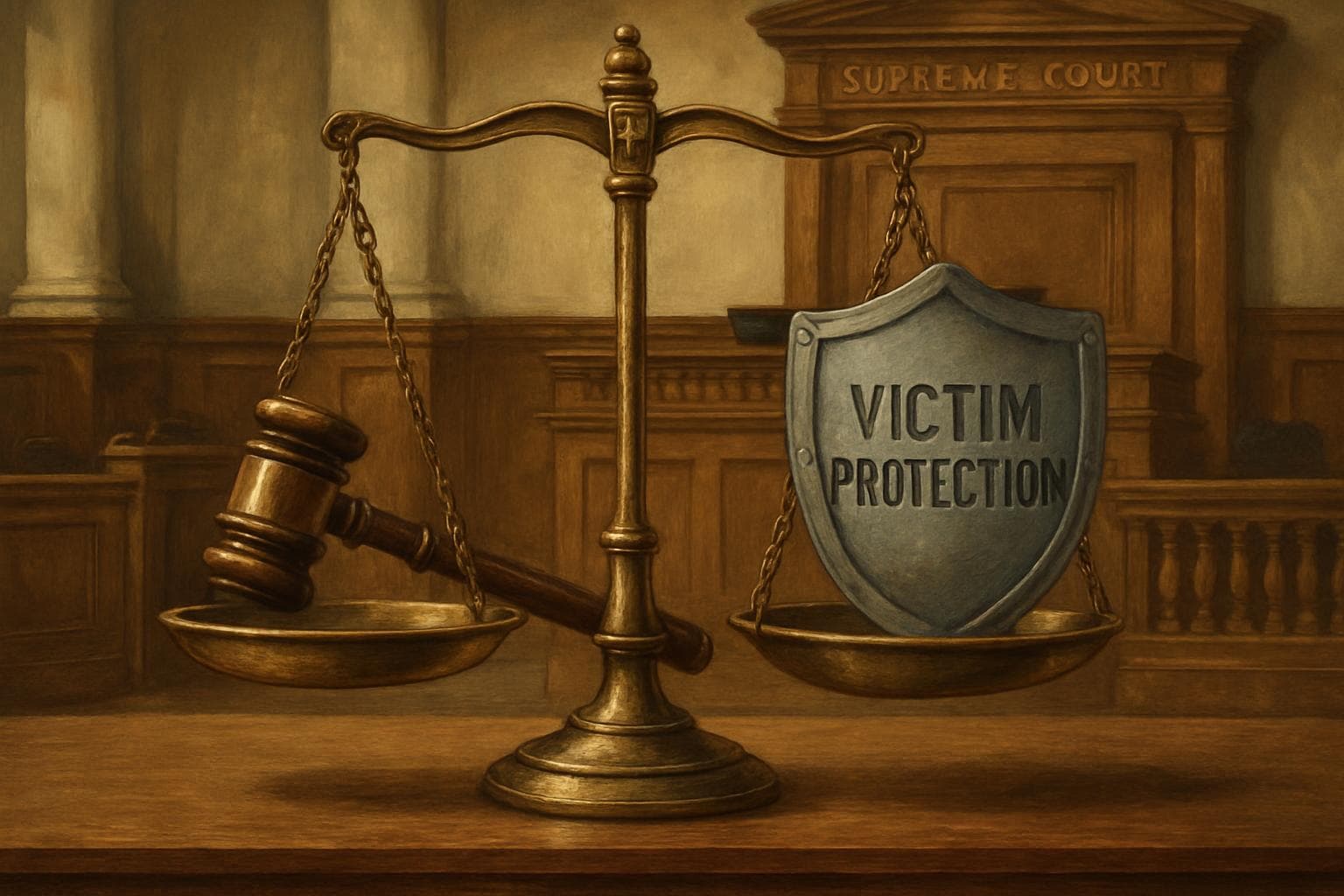
In response, Lord Advocate Dorothy Bain KC emphasized that the ruling does not alter the statutory protections for victims giving evidence. "The safeguards remain firmly in place to protect the dignity, privacy, and wellbeing of victims," Bain stated, underscoring the justice system's commitment to balancing fair trials with victim protection. Bain described sexual abuse as the greatest challenge facing the justice system and urged victims to speak out without fear.
Legal Community's Concerns
The ruling has prompted debate within the legal community, with some experts warning of potential chaos in active prosecutions. Thomas Ross KC suggested that the Scottish government might need to involve human rights experts to address potential miscarriages of justice. Meanwhile, Katrina Parkes, legal director at the Crown Office, confirmed that existing convictions are not automatically unsafe, and appeals will be assessed on a case-by-case basis.
WHAT THIS MIGHT MEAN
The Supreme Court's decision could lead to significant legal and procedural shifts within the Scottish justice system. If a surge in appeals occurs, it may strain the Scottish Criminal Cases Review Commission, potentially delaying justice for both victims and the accused. Legal experts suggest that the Scottish government may need to consider legislative amendments to address the ruling's implications effectively. As the justice system navigates these changes, maintaining a balance between fair trial rights and victim protections will be crucial to upholding public confidence in the legal process.
Related Articles
Trump Administration Sues Harvard Over Alleged Non-Compliance in Admissions Investigation

Hopeful Signs for Scotland's Endangered Capercaillie as Conservation Efforts Show Promise

Solar Power Initiatives Transforming Communities and Energy Landscape in the UK

Saharan Dust to Illuminate UK Skies with Vivid Sunrises and Sunsets

Trump's New Tariff Strategy Sparks Global Trade Uncertainty

Trump Raises Import Tariffs to 15% After Supreme Court Setback
Supreme Court Ruling Prompts Reassurance of Protections for Sexual Abuse Victims in Scotland
In This Article
 Sofia Romano| Published
 HIGHLIGHTS
- The Supreme Court ruled that Scottish courts must revise their approach to admitting evidence about an accuser's character or sexual history.
- Lord Advocate Dorothy Bain KC assured that statutory protections for sexual abuse victims remain unchanged despite the ruling.
- Concerns have been raised that the ruling could lead to a surge in appeals, potentially affecting cases dating back to 2017.
- Legal experts warn that the ruling may create challenges in ongoing prosecutions and could overwhelm the Scottish Criminal Cases Review Commission.
- The ruling does not automatically invalidate existing convictions, and appeals will be reviewed individually.
In the wake of a pivotal Supreme Court ruling, Scotland's senior law officer has reassured victims of sexual abuse that their statutory protections remain intact. The ruling, which calls for a change in how Scottish courts handle evidence related to an accuser's character or sexual history, has sparked concerns about its implications for ongoing and past cases.
Supreme Court Decision and Its Implications
Last week, the Supreme Court dismissed appeals from two men convicted of rape, while simultaneously mandating a change in the Scottish courts' approach to evidence admission. The court highlighted that the current process could infringe on defendants' rights to a fair trial, as outlined in Article 6 of the European Convention on Human Rights. This decision has raised fears of potential miscarriages of justice in cases dating back to 2017.
Assurances from the Lord Advocate
In response, Lord Advocate Dorothy Bain KC emphasized that the ruling does not alter the statutory protections for victims giving evidence. "The safeguards remain firmly in place to protect the dignity, privacy, and wellbeing of victims," Bain stated, underscoring the justice system's commitment to balancing fair trials with victim protection. Bain described sexual abuse as the greatest challenge facing the justice system and urged victims to speak out without fear.
Legal Community's Concerns
The ruling has prompted debate within the legal community, with some experts warning of potential chaos in active prosecutions. Thomas Ross KC suggested that the Scottish government might need to involve human rights experts to address potential miscarriages of justice. Meanwhile, Katrina Parkes, legal director at the Crown Office, confirmed that existing convictions are not automatically unsafe, and appeals will be assessed on a case-by-case basis.
WHAT THIS MIGHT MEAN
The Supreme Court's decision could lead to significant legal and procedural shifts within the Scottish justice system. If a surge in appeals occurs, it may strain the Scottish Criminal Cases Review Commission, potentially delaying justice for both victims and the accused. Legal experts suggest that the Scottish government may need to consider legislative amendments to address the ruling's implications effectively. As the justice system navigates these changes, maintaining a balance between fair trial rights and victim protections will be crucial to upholding public confidence in the legal process.
Related Articles
Trump Administration Sues Harvard Over Alleged Non-Compliance in Admissions Investigation
Hopeful Signs for Scotland's Endangered Capercaillie as Conservation Efforts Show Promise
Solar Power Initiatives Transforming Communities and Energy Landscape in the UK
Saharan Dust to Illuminate UK Skies with Vivid Sunrises and Sunsets
Trump's New Tariff Strategy Sparks Global Trade Uncertainty
Trump Raises Import Tariffs to 15% After Supreme Court Setback