
Syria Faces Escalating Violence as Clashes Erupt Between Forces and Assad Loyalists
In This Article
HIGHLIGHTS
- Over 70 people have been killed in clashes between Syrian forces and Assad loyalists in Latakia, marking the worst violence since Assad's ousting in December.
- The UN has called for an investigation into the killings, with reports of entire families being targeted, raising concerns over human rights violations.
- A curfew has been imposed in Latakia and Tartous, with reinforcements sent to quell the violence, which has also spread to Homs and Aleppo.
- Syria's transitional president, Ahmed al-Sharaa, has urged national unity and announced a committee to investigate the violence.
- The US and Russia have requested a UN Security Council meeting to address the escalating situation, highlighting international concern.
In a dramatic escalation of violence, clashes between Syrian forces and loyalists of the deposed President Bashar al-Assad have resulted in over 70 deaths in the coastal region of Latakia. This marks the most severe outbreak of violence since Assad's removal in December and the establishment of an Islamist transitional government.
Rising Tensions in Latakia
The violence erupted when Assad loyalists ambushed government forces during a security operation in Latakia, a stronghold of the Alawite minority to which the Assad family belongs. The British-based Syrian Observatory for Human Rights reported that the death toll includes 35 government forces, 32 former regime fighters, and four civilians. The clashes have prompted a curfew in Latakia and Tartous, with reinforcements dispatched to the area.
Human Rights Concerns
The United Nations has expressed grave concern over reports of entire families being killed, calling for an immediate investigation. UN Human Rights Commissioner Volker Türk described the situation as "extremely disturbing," emphasizing the need for accountability. The violence has also spread to other cities, including Homs and Aleppo, further complicating the security landscape.
Government Response and International Reactions
Syria's transitional president, Ahmed al-Sharaa, has called for national unity and announced the formation of a seven-member committee to investigate the killings. Meanwhile, the US and Russia have requested a UN Security Council meeting to discuss the escalating violence. US Secretary of State Marco Rubio condemned the attacks, urging Damascus to hold perpetrators accountable and expressing solidarity with Syria's minority communities.
WHAT THIS MIGHT MEAN
The ongoing violence in Syria poses significant challenges for the transitional government, which is under pressure to maintain stability and address human rights concerns. The formation of an investigative committee may help uncover the truth behind the killings, but the effectiveness of this measure remains to be seen. International involvement, particularly from the US and Russia, could influence the situation, potentially leading to diplomatic interventions or sanctions. As Syria's new authorities prepare to announce a government, their ability to represent the country's diverse communities will be crucial in preventing further unrest and securing international support.
Related Articles
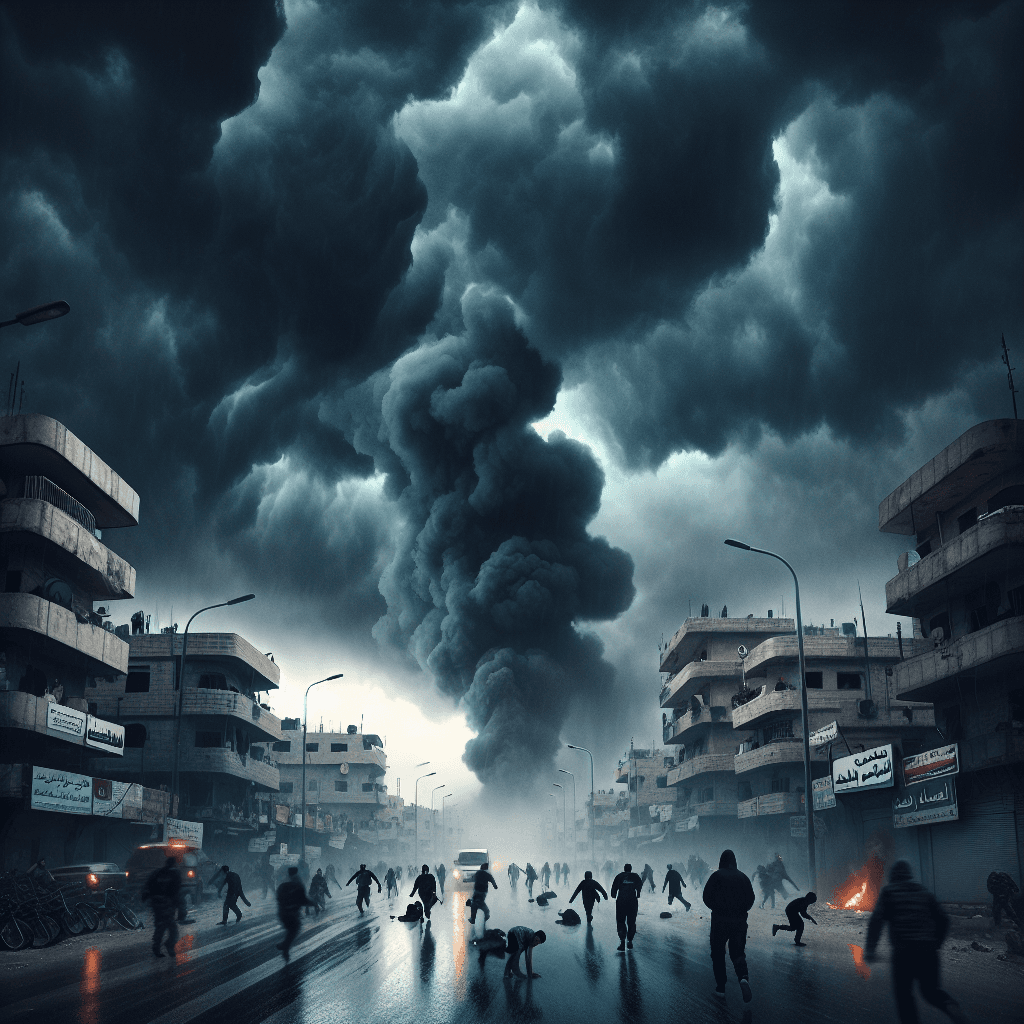
Intensified US-Israel Strikes on Iran Spark Global Outcry
US and Israel Intensify Military Campaign as Iran's Capabilities Dwindle
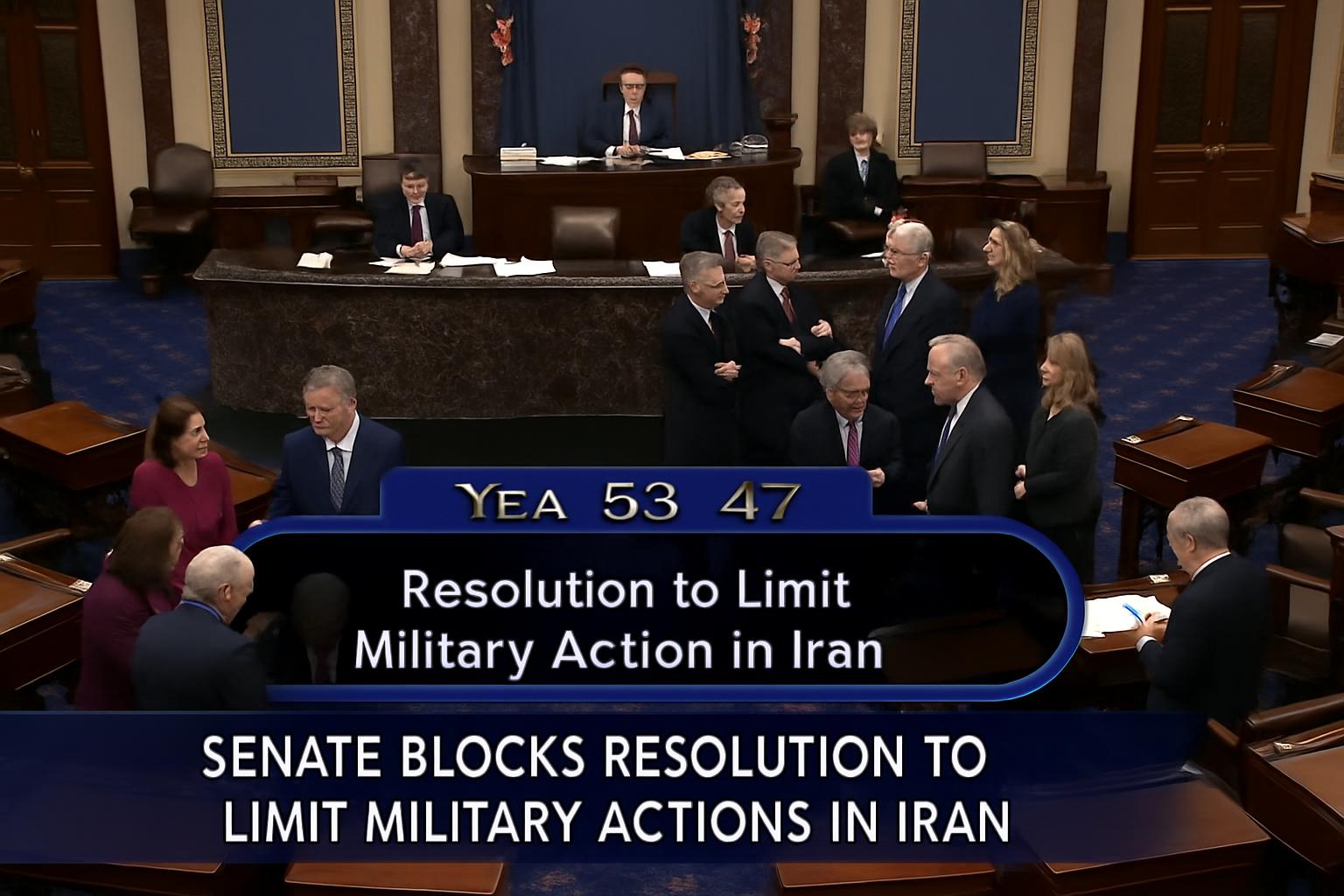
Senate Blocks Resolution to Limit Trump's Military Actions in Iran
Violence Erupts Across Mexico Following Death of Drug Lord El Mencho
Palestinian-American Teen Killed by Israeli Settlers in West Bank Sparks Calls for Accountability
Canada and Australia Forge Strategic Partnership Amid Global Uncertainty
Syria Faces Escalating Violence as Clashes Erupt Between Forces and Assad Loyalists
In This Article
 Ethan Brooks| Published
 HIGHLIGHTS
- Over 70 people have been killed in clashes between Syrian forces and Assad loyalists in Latakia, marking the worst violence since Assad's ousting in December.
- The UN has called for an investigation into the killings, with reports of entire families being targeted, raising concerns over human rights violations.
- A curfew has been imposed in Latakia and Tartous, with reinforcements sent to quell the violence, which has also spread to Homs and Aleppo.
- Syria's transitional president, Ahmed al-Sharaa, has urged national unity and announced a committee to investigate the violence.
- The US and Russia have requested a UN Security Council meeting to address the escalating situation, highlighting international concern.
In a dramatic escalation of violence, clashes between Syrian forces and loyalists of the deposed President Bashar al-Assad have resulted in over 70 deaths in the coastal region of Latakia. This marks the most severe outbreak of violence since Assad's removal in December and the establishment of an Islamist transitional government.
Rising Tensions in Latakia
The violence erupted when Assad loyalists ambushed government forces during a security operation in Latakia, a stronghold of the Alawite minority to which the Assad family belongs. The British-based Syrian Observatory for Human Rights reported that the death toll includes 35 government forces, 32 former regime fighters, and four civilians. The clashes have prompted a curfew in Latakia and Tartous, with reinforcements dispatched to the area.
Human Rights Concerns
The United Nations has expressed grave concern over reports of entire families being killed, calling for an immediate investigation. UN Human Rights Commissioner Volker Türk described the situation as "extremely disturbing," emphasizing the need for accountability. The violence has also spread to other cities, including Homs and Aleppo, further complicating the security landscape.
Government Response and International Reactions
Syria's transitional president, Ahmed al-Sharaa, has called for national unity and announced the formation of a seven-member committee to investigate the killings. Meanwhile, the US and Russia have requested a UN Security Council meeting to discuss the escalating violence. US Secretary of State Marco Rubio condemned the attacks, urging Damascus to hold perpetrators accountable and expressing solidarity with Syria's minority communities.
WHAT THIS MIGHT MEAN
The ongoing violence in Syria poses significant challenges for the transitional government, which is under pressure to maintain stability and address human rights concerns. The formation of an investigative committee may help uncover the truth behind the killings, but the effectiveness of this measure remains to be seen. International involvement, particularly from the US and Russia, could influence the situation, potentially leading to diplomatic interventions or sanctions. As Syria's new authorities prepare to announce a government, their ability to represent the country's diverse communities will be crucial in preventing further unrest and securing international support.
Related Articles
Intensified US-Israel Strikes on Iran Spark Global Outcry
US and Israel Intensify Military Campaign as Iran's Capabilities Dwindle
Senate Blocks Resolution to Limit Trump's Military Actions in Iran
Violence Erupts Across Mexico Following Death of Drug Lord El Mencho
Palestinian-American Teen Killed by Israeli Settlers in West Bank Sparks Calls for Accountability
Canada and Australia Forge Strategic Partnership Amid Global Uncertainty