
Texas Flood Tragedy Sparks Outcry Over Climate Crisis and Emergency Response
In This Article
HIGHLIGHTS
- The number of missing individuals in Texas after the July 4th floods has decreased from 160 to three, thanks to extensive search efforts.
- The floods resulted in 135 fatalities, including 27 children at Camp Mystic, raising concerns about emergency preparedness and warning systems.
- Activists protested in Washington, blaming government budget cuts and inadequate climate crisis response for the tragedy.
- The Trump administration faced criticism for defunding critical weather and emergency agencies, impacting flood alert systems.
- State legislators are set to discuss improvements to flood warning systems and emergency response in a special session.
The devastating floods that swept through Texas over the Fourth of July weekend have left a trail of destruction and grief, with the number of missing individuals now reduced to three from an initial 160. The catastrophic event claimed 135 lives, including 27 children at Camp Mystic, a summer camp along the Guadalupe River. The river's rapid rise of 26 feet in just 45 minutes caught many by surprise, leading to questions about the adequacy of warning systems and emergency preparedness.
Search and Rescue Efforts
In the aftermath of the floods, over 1,000 federal, state, and local officials worked tirelessly to locate the missing. Kerrville City Manager Dalton Rice praised the coordinated efforts, stating that it took "countless hours of search and rescue operations" to bring clarity to affected families. Kerrville Mayor Joe Herring, Jr. expressed ongoing support for families still awaiting news, emphasizing the community's commitment to recovery.
Protests and Political Criticism
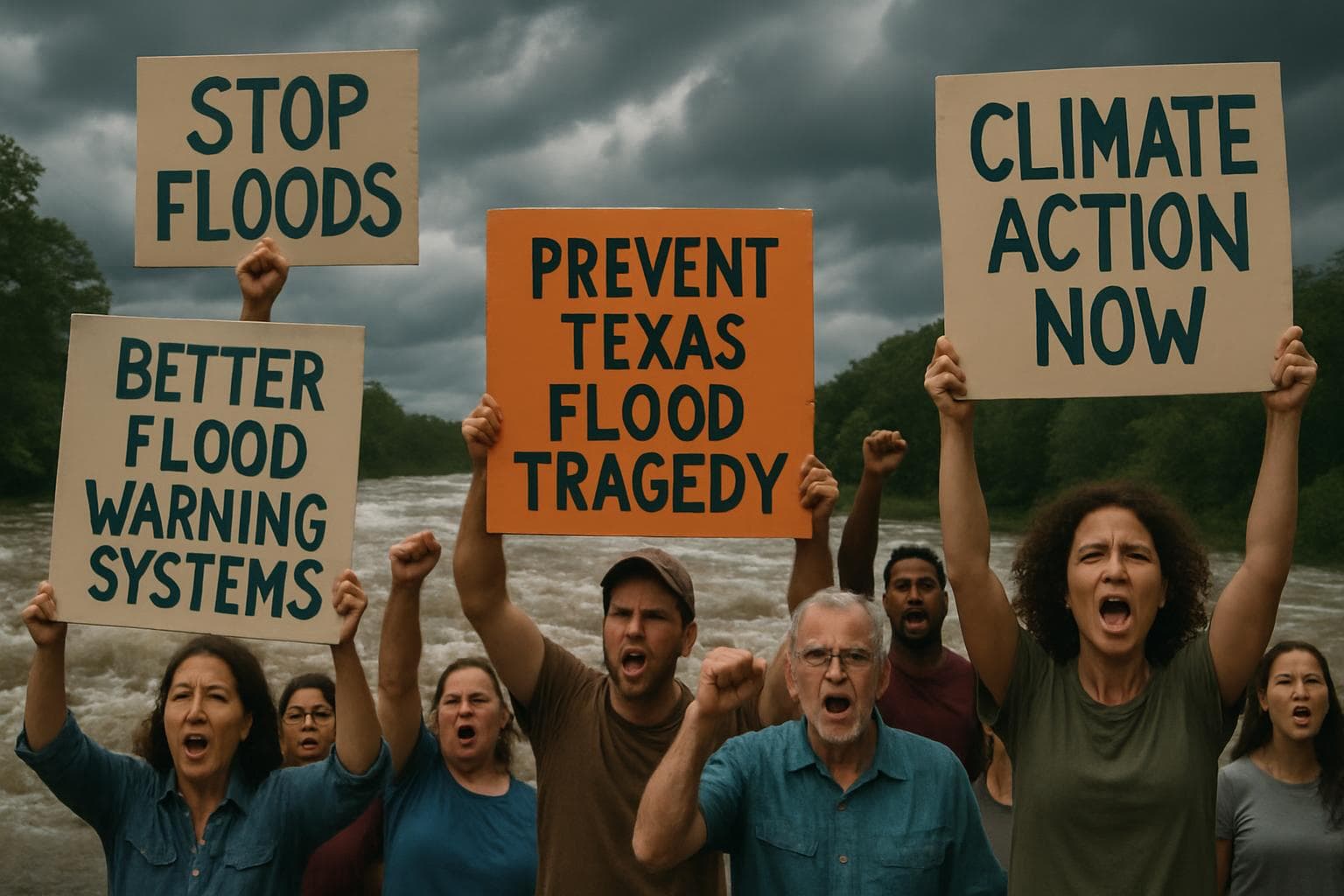
In Washington, a group of 34 activists, including mothers from Texas, gathered near the White House to protest what they termed a "preventable and politically charged crisis." The demonstrators criticized government budget cuts and the Trump administration's inaction on the climate crisis, which they argue contributed to the disaster. Signs reading "We need warnings, not cuts" highlighted their demand for full funding of weather and disaster response agencies.
Impact of Budget Cuts
Activists pointed to significant staff reductions at the National Oceanic and Atmospheric Administration (NOAA) and the National Weather Service, which have hindered accurate weather predictions and timely alerts. Samantha Gore, a former camper along the Guadalupe River, lamented the loss of life, attributing it to "terrible and deadly choices" by officials. The Trump administration's recent budget, which includes a $200 million cut to NOAA's forecasting program, has further fueled concerns about future disaster preparedness.
Legislative Response
In response to the tragedy, Texas state legislators are set to convene a special session to discuss potential improvements to flood warning systems and emergency response protocols. The session aims to address the systemic issues highlighted by the floods and ensure better preparedness for future climate-related disasters.
WHAT THIS MIGHT MEAN
The aftermath of the Texas floods has sparked a broader debate on the intersection of climate change and emergency response. As state legislators deliberate on improving flood warning systems, there is potential for significant policy changes that could enhance disaster preparedness. However, the ongoing budget cuts to critical agencies pose a challenge to implementing these improvements effectively.
The protests in Washington underscore a growing demand for accountability and action on climate issues. If the calls for increased funding and policy shifts gain traction, they could lead to a reevaluation of current strategies and a push for more sustainable practices. The situation also highlights the need for a coordinated federal and state response to mitigate the impacts of climate-related disasters in the future.
Related Articles

Geneva Peace Talks: Russia and Ukraine Seek Resolution Amid Ongoing Conflict

Don Lemon Pleads Not Guilty in Minnesota Church Protest Case
Spain's Sánchez Stands Firm Against Trump's Trade Threat Over Iran Stance
Trump Criticizes Supreme Court After Tariff Ruling, Imposes New Global Tariff

US-Iran Tensions Escalate Amid Military Buildup and Diplomatic Talks
US Military Strikes on Alleged Drug Boats Raise Legal Concerns
Texas Flood Tragedy Sparks Outcry Over Climate Crisis and Emergency Response
In This Article
 Ethan Brooks| Published
 HIGHLIGHTS
- The number of missing individuals in Texas after the July 4th floods has decreased from 160 to three, thanks to extensive search efforts.
- The floods resulted in 135 fatalities, including 27 children at Camp Mystic, raising concerns about emergency preparedness and warning systems.
- Activists protested in Washington, blaming government budget cuts and inadequate climate crisis response for the tragedy.
- The Trump administration faced criticism for defunding critical weather and emergency agencies, impacting flood alert systems.
- State legislators are set to discuss improvements to flood warning systems and emergency response in a special session.
The devastating floods that swept through Texas over the Fourth of July weekend have left a trail of destruction and grief, with the number of missing individuals now reduced to three from an initial 160. The catastrophic event claimed 135 lives, including 27 children at Camp Mystic, a summer camp along the Guadalupe River. The river's rapid rise of 26 feet in just 45 minutes caught many by surprise, leading to questions about the adequacy of warning systems and emergency preparedness.
Search and Rescue Efforts
In the aftermath of the floods, over 1,000 federal, state, and local officials worked tirelessly to locate the missing. Kerrville City Manager Dalton Rice praised the coordinated efforts, stating that it took "countless hours of search and rescue operations" to bring clarity to affected families. Kerrville Mayor Joe Herring, Jr. expressed ongoing support for families still awaiting news, emphasizing the community's commitment to recovery.
Protests and Political Criticism
In Washington, a group of 34 activists, including mothers from Texas, gathered near the White House to protest what they termed a "preventable and politically charged crisis." The demonstrators criticized government budget cuts and the Trump administration's inaction on the climate crisis, which they argue contributed to the disaster. Signs reading "We need warnings, not cuts" highlighted their demand for full funding of weather and disaster response agencies.
Impact of Budget Cuts
Activists pointed to significant staff reductions at the National Oceanic and Atmospheric Administration (NOAA) and the National Weather Service, which have hindered accurate weather predictions and timely alerts. Samantha Gore, a former camper along the Guadalupe River, lamented the loss of life, attributing it to "terrible and deadly choices" by officials. The Trump administration's recent budget, which includes a $200 million cut to NOAA's forecasting program, has further fueled concerns about future disaster preparedness.
Legislative Response
In response to the tragedy, Texas state legislators are set to convene a special session to discuss potential improvements to flood warning systems and emergency response protocols. The session aims to address the systemic issues highlighted by the floods and ensure better preparedness for future climate-related disasters.
WHAT THIS MIGHT MEAN
The aftermath of the Texas floods has sparked a broader debate on the intersection of climate change and emergency response. As state legislators deliberate on improving flood warning systems, there is potential for significant policy changes that could enhance disaster preparedness. However, the ongoing budget cuts to critical agencies pose a challenge to implementing these improvements effectively.
The protests in Washington underscore a growing demand for accountability and action on climate issues. If the calls for increased funding and policy shifts gain traction, they could lead to a reevaluation of current strategies and a push for more sustainable practices. The situation also highlights the need for a coordinated federal and state response to mitigate the impacts of climate-related disasters in the future.
Related Articles
Geneva Peace Talks: Russia and Ukraine Seek Resolution Amid Ongoing Conflict
Don Lemon Pleads Not Guilty in Minnesota Church Protest Case
Spain's Sánchez Stands Firm Against Trump's Trade Threat Over Iran Stance
Trump Criticizes Supreme Court After Tariff Ruling, Imposes New Global Tariff
US-Iran Tensions Escalate Amid Military Buildup and Diplomatic Talks
US Military Strikes on Alleged Drug Boats Raise Legal Concerns