
Thai Prime Minister Ousted Over Leaked Call, Sparking Political Turmoil
In This Article
HIGHLIGHTS
- Thailand's Constitutional Court removed Prime Minister Paetongtarn Shinawatra over a leaked phone call with Cambodia's Hun Sen, citing ethical violations.
- The call, leaked by Hun Sen, criticized a Thai army commander and worsened Thai-Cambodian border tensions, leading to a brief conflict.
- Paetongtarn is the fifth Thai PM removed by the court, continuing a pattern of rulings against the Shinawatra family.
- The political crisis has left Thailand's government in turmoil, with coalition partners withdrawing support and public protests erupting.
- The Shinawatra family's influence in Thai politics is under threat, as Paetongtarn's removal marks another blow to their political dynasty.
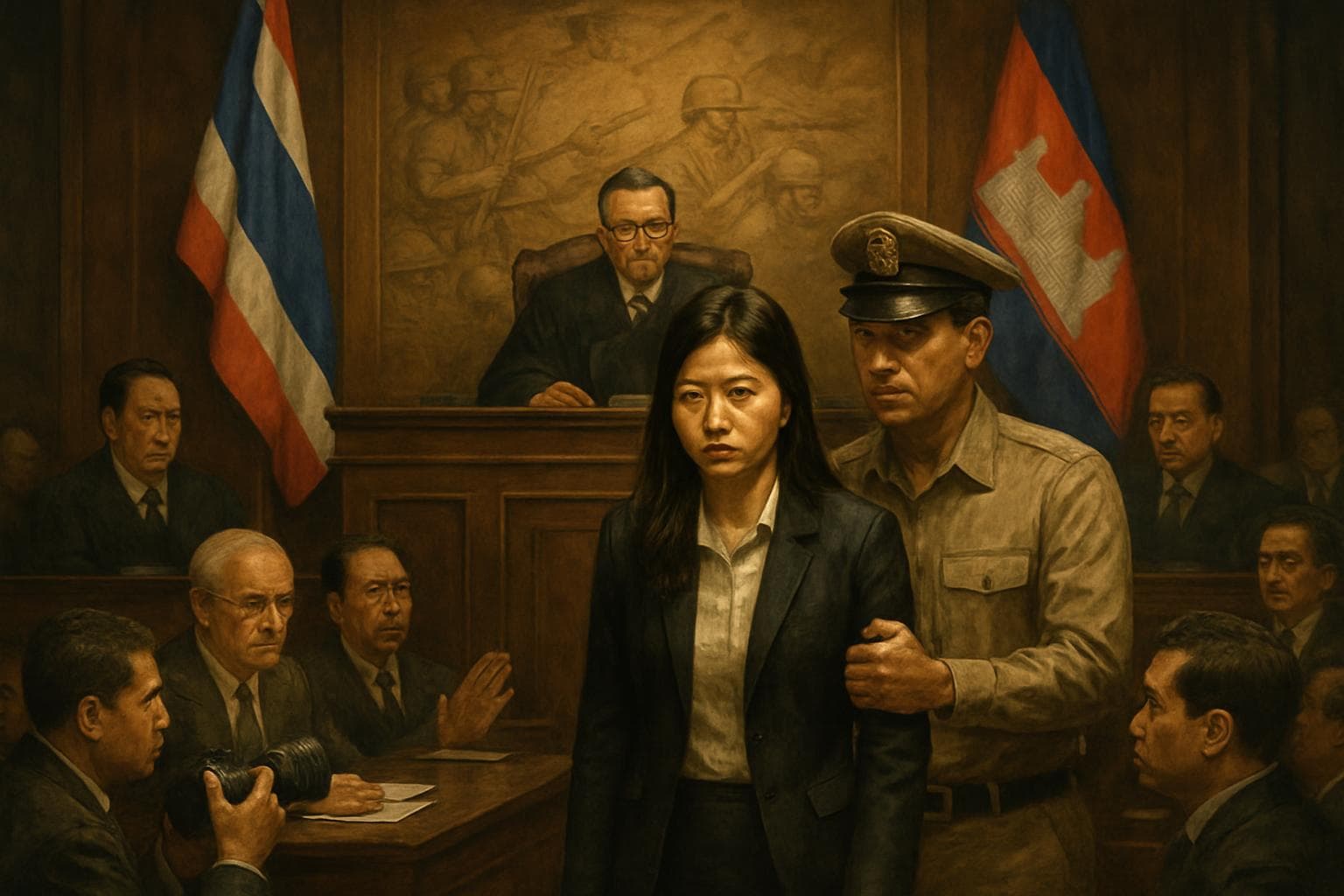
Thailand's political landscape has been thrown into disarray following the Constitutional Court's decision to remove Prime Minister Paetongtarn Shinawatra from office. The ruling, delivered on Friday, stems from a controversial phone call with Cambodia's former leader, Hun Sen, which was leaked in June. The court found Paetongtarn guilty of violating ethical standards, a decision that has intensified the ongoing political crisis in the country.
The Controversial Call and Its Fallout
The leaked conversation, in which Paetongtarn referred to Hun Sen as "uncle" and criticized a senior Thai military commander, has been at the center of the controversy. Critics argue that her remarks undermined Thailand's national interests, especially amid escalating tensions over the Thai-Cambodian border dispute. The situation deteriorated further when the border conflict erupted into a five-day skirmish, resulting in over 40 casualties and displacing thousands.
Hun Sen, who released the recording, described Paetongtarn's comments as an "unprecedented insult," prompting him to expose the conversation. The fallout from the leak has been severe, with Paetongtarn's coalition partner, the Bhumjaithai party, withdrawing support, leaving her government with a fragile majority.
A Pattern of Judicial Intervention
Paetongtarn's removal marks the fifth time a Thai prime minister has been ousted by the Constitutional Court, all of whom were linked to the influential Shinawatra family. This pattern has fueled perceptions that the court consistently rules against those perceived as threats by conservative, royalist factions. The Shinawatra dynasty, once a dominant force in Thai politics, now faces an uncertain future.
Political Instability and Future Prospects
The court's decision has plunged Thailand into political instability, with the government struggling to find a viable successor. The Pheu Thai party, led by the Shinawatra family, has exhausted two of its three prime ministerial candidates, leaving Chaikasem Nitisiri, a lesser-known figure, as the remaining option. Meanwhile, Anutin Charnvirakul, leader of the Bhumjaithai party, has emerged as a potential candidate, though strained relations with Pheu Thai complicate coalition-building efforts.
WHAT THIS MIGHT MEAN
The removal of Paetongtarn Shinawatra could usher in a period of heightened political instability in Thailand. With the Shinawatra family's influence waning, the country's political landscape may see a shift towards more conservative, royalist-aligned parties. The ongoing border dispute with Cambodia remains a critical issue, and any new government will need to address it promptly to prevent further conflict. Additionally, the court's decision may embolden opposition parties and civil society groups to push for broader political reforms, potentially reshaping Thailand's political future.
Related Articles
Thailand's Political Landscape Shifts as Parliament Dissolved Amid Border Tensions
Thailand's Pivotal Election: Reformists Challenge Conservative Stronghold
Thailand's People's Party Leads Polls Amid Political Challenges
Myanmar's Controversial Elections Amidst Civil Unrest and International Criticism
Escalating Tensions: Thailand and Cambodia Clash Despite Ceasefire Claims
Thailand and Cambodia Agree to Ceasefire Amidst Escalating Border Conflict
Thai Prime Minister Ousted Over Leaked Call, Sparking Political Turmoil
In This Article
 Alex Carter| Published
 HIGHLIGHTS
- Thailand's Constitutional Court removed Prime Minister Paetongtarn Shinawatra over a leaked phone call with Cambodia's Hun Sen, citing ethical violations.
- The call, leaked by Hun Sen, criticized a Thai army commander and worsened Thai-Cambodian border tensions, leading to a brief conflict.
- Paetongtarn is the fifth Thai PM removed by the court, continuing a pattern of rulings against the Shinawatra family.
- The political crisis has left Thailand's government in turmoil, with coalition partners withdrawing support and public protests erupting.
- The Shinawatra family's influence in Thai politics is under threat, as Paetongtarn's removal marks another blow to their political dynasty.
Thailand's political landscape has been thrown into disarray following the Constitutional Court's decision to remove Prime Minister Paetongtarn Shinawatra from office. The ruling, delivered on Friday, stems from a controversial phone call with Cambodia's former leader, Hun Sen, which was leaked in June. The court found Paetongtarn guilty of violating ethical standards, a decision that has intensified the ongoing political crisis in the country.
The Controversial Call and Its Fallout
The leaked conversation, in which Paetongtarn referred to Hun Sen as "uncle" and criticized a senior Thai military commander, has been at the center of the controversy. Critics argue that her remarks undermined Thailand's national interests, especially amid escalating tensions over the Thai-Cambodian border dispute. The situation deteriorated further when the border conflict erupted into a five-day skirmish, resulting in over 40 casualties and displacing thousands.
Hun Sen, who released the recording, described Paetongtarn's comments as an "unprecedented insult," prompting him to expose the conversation. The fallout from the leak has been severe, with Paetongtarn's coalition partner, the Bhumjaithai party, withdrawing support, leaving her government with a fragile majority.
A Pattern of Judicial Intervention
Paetongtarn's removal marks the fifth time a Thai prime minister has been ousted by the Constitutional Court, all of whom were linked to the influential Shinawatra family. This pattern has fueled perceptions that the court consistently rules against those perceived as threats by conservative, royalist factions. The Shinawatra dynasty, once a dominant force in Thai politics, now faces an uncertain future.
Political Instability and Future Prospects
The court's decision has plunged Thailand into political instability, with the government struggling to find a viable successor. The Pheu Thai party, led by the Shinawatra family, has exhausted two of its three prime ministerial candidates, leaving Chaikasem Nitisiri, a lesser-known figure, as the remaining option. Meanwhile, Anutin Charnvirakul, leader of the Bhumjaithai party, has emerged as a potential candidate, though strained relations with Pheu Thai complicate coalition-building efforts.
WHAT THIS MIGHT MEAN
The removal of Paetongtarn Shinawatra could usher in a period of heightened political instability in Thailand. With the Shinawatra family's influence waning, the country's political landscape may see a shift towards more conservative, royalist-aligned parties. The ongoing border dispute with Cambodia remains a critical issue, and any new government will need to address it promptly to prevent further conflict. Additionally, the court's decision may embolden opposition parties and civil society groups to push for broader political reforms, potentially reshaping Thailand's political future.
Related Articles
Thailand's Political Landscape Shifts as Parliament Dissolved Amid Border Tensions
Thailand's Pivotal Election: Reformists Challenge Conservative Stronghold
Thailand's People's Party Leads Polls Amid Political Challenges
Myanmar's Controversial Elections Amidst Civil Unrest and International Criticism
Escalating Tensions: Thailand and Cambodia Clash Despite Ceasefire Claims
Thailand and Cambodia Agree to Ceasefire Amidst Escalating Border Conflict