
Trump Administration Investigates Harvard's Visa Sponsorship Amid Antisemitism Allegations
In This Article
HIGHLIGHTS
- The Trump administration has launched an investigation into Harvard University's eligibility to sponsor visas under the Exchange Visitor Programme.
- The investigation is part of broader federal scrutiny over Harvard's alleged failure to combat antisemitism and support for Israel.
- Harvard has accused the administration of violating its First Amendment rights and retaliating through funding cuts and visa restrictions.
- The State Department has demanded extensive records from Harvard and plans to interview staff and visa holders.
- A federal judge has temporarily blocked the administration's order to revoke Harvard's ability to host international students.
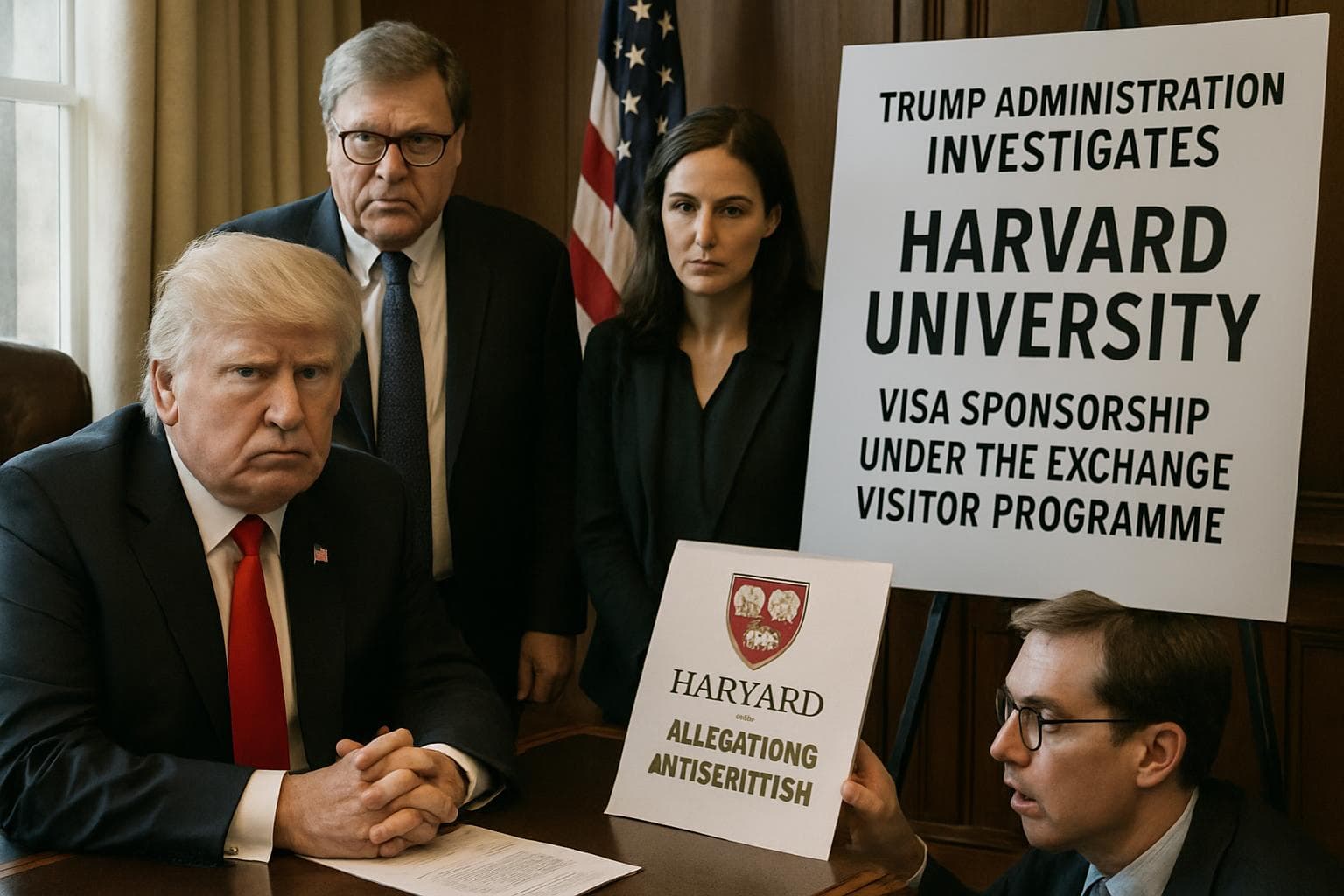
The Trump administration has intensified its scrutiny of Harvard University by launching an investigation into the institution's eligibility to sponsor visas under the Exchange Visitor Programme. This move is the latest in a series of actions against Harvard, which the administration accuses of failing to adequately address antisemitism on campus and not sufficiently supporting Israel.
Visa Program Under the Microscope
The State Department announced the investigation on Wednesday, stating it will assess whether Harvard maintains the necessary standards for hosting international students, professors, and researchers. The department emphasized that program sponsors must uphold transparency and adhere to cultural exchange principles without compromising U.S. national security interests. "Visa sponsorship is a privilege," Secretary of State Marco Rubio stated on X, "and sponsors whose conduct tarnishes our nation's interests will lose that privilege."
Broader Federal Pressure
This investigation follows a series of pro-Palestinian demonstrations at Harvard, which federal officials argue have created an environment threatening to Jewish students. The Trump administration has already revoked Harvard's ability to enroll international students for the 2025-2026 academic year, requiring existing students to transfer or lose their legal status. Additionally, the administration has canceled $2.2 billion in federal funding to the university, with further cuts announced.
Harvard's Legal Battle
Harvard has responded by suing the government, alleging violations of its First Amendment rights. A federal judge has temporarily blocked the administration's order to revoke the university's ability to host international students. Harvard attorney Steven Lehotsky argued that the government's actions aim to control the university's operations by cutting off funding. "The administration has given no consideration to patients, the public at large, and the harm of all this research being cut off," he told the court.
Ongoing Investigation
The State Department has given Harvard one week to provide extensive records related to the visa program and plans to interview staff and visa holders. Harvard spokesperson Jason Newton described the investigation as "another retaliatory step" by the White House. Despite the challenges, Newton affirmed that Harvard continues to enroll and sponsor international scholars and students.
WHAT THIS MIGHT MEAN
The outcome of this investigation could significantly impact Harvard's ability to host international students and scholars, potentially affecting its global reputation and academic collaborations. If the administration's actions are upheld, other universities might face similar scrutiny, altering the landscape of international education in the U.S. Legal experts suggest that the case could set a precedent for how First Amendment rights are interpreted in the context of federal funding and visa sponsorship. As the legal battle unfolds, the academic community will closely watch for implications on university autonomy and international exchange programs.
Related Articles
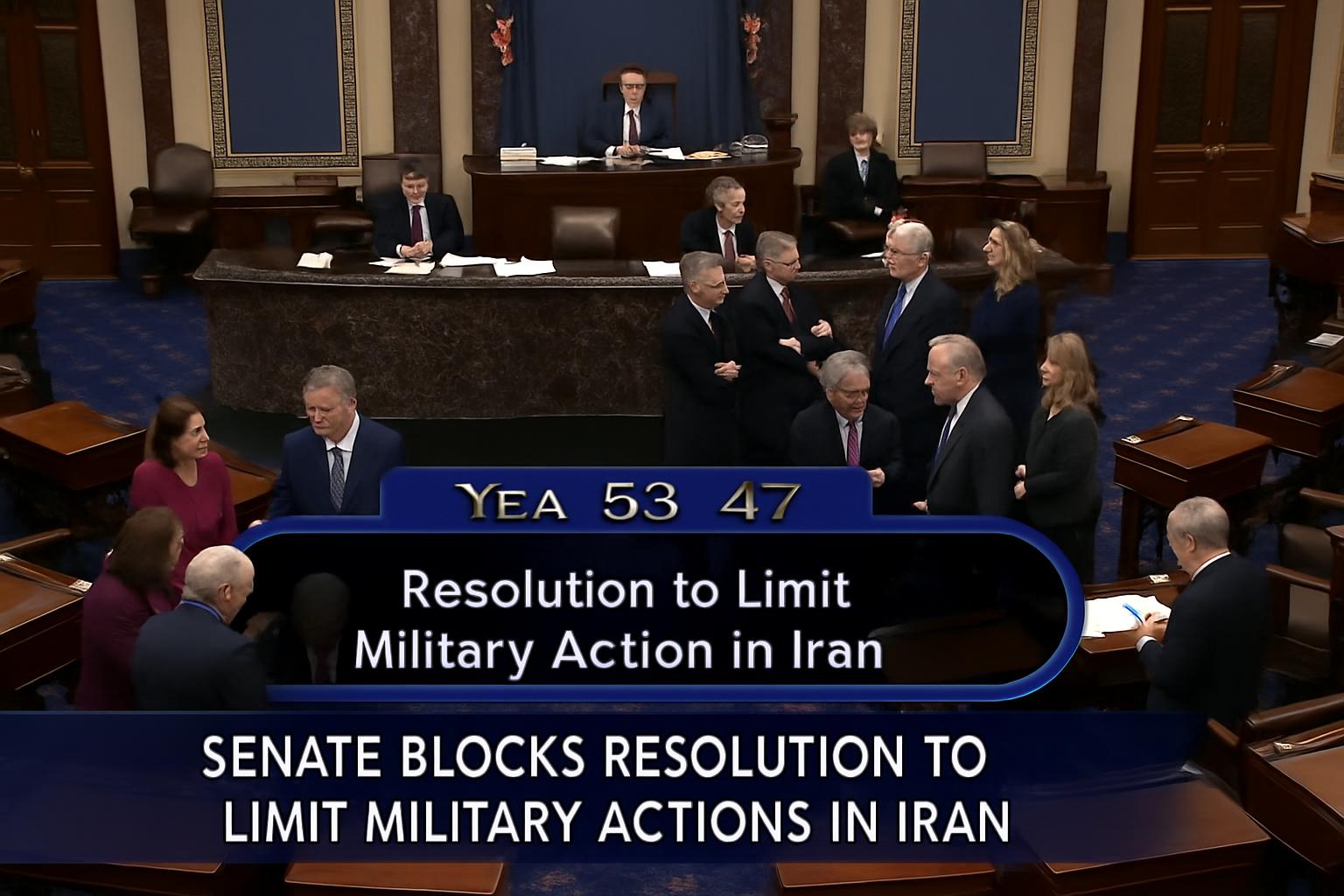
Senate Blocks Resolution to Limit Trump's Military Actions in Iran

US and Israel Intensify Military Campaign as Iran's Capabilities Dwindle

Intensified US-Israel Strikes on Iran Spark Global Outcry

Iran Postpones Khamenei Funeral Amid Escalating US-Israeli Strikes

Palestinian-American Teen Killed by Israeli Settlers in West Bank Sparks Calls for Accountability

US-Iran Tensions Escalate Amid Military Buildup and Diplomatic Deadlock
Trump Administration Investigates Harvard's Visa Sponsorship Amid Antisemitism Allegations
In This Article
 Ethan Brooks| Published
 HIGHLIGHTS
- The Trump administration has launched an investigation into Harvard University's eligibility to sponsor visas under the Exchange Visitor Programme.
- The investigation is part of broader federal scrutiny over Harvard's alleged failure to combat antisemitism and support for Israel.
- Harvard has accused the administration of violating its First Amendment rights and retaliating through funding cuts and visa restrictions.
- The State Department has demanded extensive records from Harvard and plans to interview staff and visa holders.
- A federal judge has temporarily blocked the administration's order to revoke Harvard's ability to host international students.
The Trump administration has intensified its scrutiny of Harvard University by launching an investigation into the institution's eligibility to sponsor visas under the Exchange Visitor Programme. This move is the latest in a series of actions against Harvard, which the administration accuses of failing to adequately address antisemitism on campus and not sufficiently supporting Israel.
Visa Program Under the Microscope
The State Department announced the investigation on Wednesday, stating it will assess whether Harvard maintains the necessary standards for hosting international students, professors, and researchers. The department emphasized that program sponsors must uphold transparency and adhere to cultural exchange principles without compromising U.S. national security interests. "Visa sponsorship is a privilege," Secretary of State Marco Rubio stated on X, "and sponsors whose conduct tarnishes our nation's interests will lose that privilege."
Broader Federal Pressure
This investigation follows a series of pro-Palestinian demonstrations at Harvard, which federal officials argue have created an environment threatening to Jewish students. The Trump administration has already revoked Harvard's ability to enroll international students for the 2025-2026 academic year, requiring existing students to transfer or lose their legal status. Additionally, the administration has canceled $2.2 billion in federal funding to the university, with further cuts announced.
Harvard's Legal Battle
Harvard has responded by suing the government, alleging violations of its First Amendment rights. A federal judge has temporarily blocked the administration's order to revoke the university's ability to host international students. Harvard attorney Steven Lehotsky argued that the government's actions aim to control the university's operations by cutting off funding. "The administration has given no consideration to patients, the public at large, and the harm of all this research being cut off," he told the court.
Ongoing Investigation
The State Department has given Harvard one week to provide extensive records related to the visa program and plans to interview staff and visa holders. Harvard spokesperson Jason Newton described the investigation as "another retaliatory step" by the White House. Despite the challenges, Newton affirmed that Harvard continues to enroll and sponsor international scholars and students.
WHAT THIS MIGHT MEAN
The outcome of this investigation could significantly impact Harvard's ability to host international students and scholars, potentially affecting its global reputation and academic collaborations. If the administration's actions are upheld, other universities might face similar scrutiny, altering the landscape of international education in the U.S. Legal experts suggest that the case could set a precedent for how First Amendment rights are interpreted in the context of federal funding and visa sponsorship. As the legal battle unfolds, the academic community will closely watch for implications on university autonomy and international exchange programs.
Related Articles
Senate Blocks Resolution to Limit Trump's Military Actions in Iran
US and Israel Intensify Military Campaign as Iran's Capabilities Dwindle
Intensified US-Israel Strikes on Iran Spark Global Outcry
Iran Postpones Khamenei Funeral Amid Escalating US-Israeli Strikes
Palestinian-American Teen Killed by Israeli Settlers in West Bank Sparks Calls for Accountability
US-Iran Tensions Escalate Amid Military Buildup and Diplomatic Deadlock