
Stalemate in Ukraine Peace Talks as Putin Demands Territorial Concessions
In This Article
HIGHLIGHTS
- Vladimir Putin insists Ukraine must cede territory for peace, focusing on Crimea and Donbas regions.
- A draft peace plan discussed by the US and Ukraine could serve as a negotiation basis, but territorial issues remain unresolved.
- Ukrainian President Volodymyr Zelensky refuses to surrender land, maintaining a firm stance against Russian demands.
- US envoy Steve Witkoff is set to visit Moscow for further discussions, amid controversy over his alleged bias.
- European leaders express concerns that using frozen Russian assets for Ukraine could hinder peace efforts.
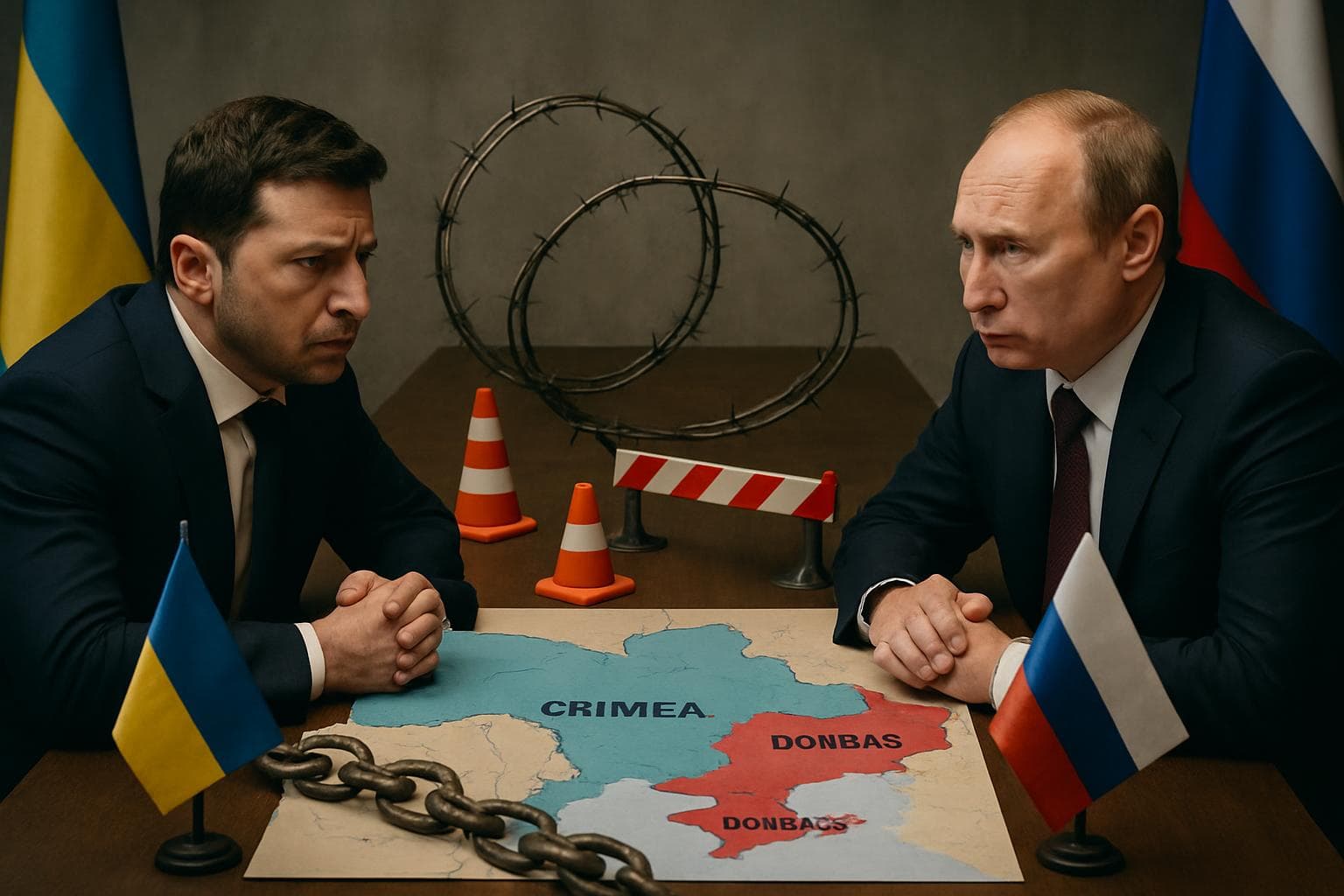
The ongoing conflict between Russia and Ukraine remains at an impasse as Russian President Vladimir Putin reiterates his demand for Ukraine to relinquish control over key territories, including Crimea and the Donbas region, as a precondition for peace. This stance was emphasized during Putin's recent address, where he insisted that Russian forces would only halt their offensive if Ukrainian troops withdrew from these areas.
Territorial Disputes at the Forefront
The territorial disputes, particularly concerning Crimea, annexed by Russia in 2014, and the Donbas region, continue to be a significant barrier to peace. Ukrainian President Volodymyr Zelensky has firmly rejected any notion of ceding land, with his chief of staff, Andriy Yermak, affirming that Ukraine will not sign away its territory under Zelensky's leadership. This unwavering position underscores the deep-seated tensions that persist between the two nations.
Draft Peace Plan and Diplomatic Efforts
A draft peace plan, reportedly discussed in Geneva by US and Ukrainian officials, has been shared with Moscow. While Putin acknowledged that the plan could serve as a basis for future negotiations, he emphasized the need for further discussions on specific points. The plan, however, does not address the core issue of territorial control, which remains a sticking point.
US Involvement and Controversies
US special envoy Steve Witkoff is expected to visit Moscow to continue diplomatic discussions. His involvement has sparked controversy following a leaked phone call suggesting bias towards Moscow. Despite these allegations, Putin dismissed the claims as "nonsense." The US's role in these negotiations is crucial, as it seeks to mediate a resolution that aligns with both Ukrainian sovereignty and Russian demands.
European Concerns and Broader Implications
European leaders, including Belgian Prime Minister Bart De Wever, have expressed concerns that the EU's plan to use frozen Russian assets to fund Ukraine could jeopardize potential peace deals. Additionally, human rights advocates warn that any agreement granting amnesty for war crimes could set a dangerous precedent for other authoritarian regimes.
WHAT THIS MIGHT MEAN
The path to peace in Ukraine remains fraught with challenges, primarily due to the unresolved territorial disputes. As diplomatic efforts continue, the involvement of US and European leaders will be pivotal in shaping the negotiations. Should Ukraine and Russia fail to reach a compromise, the conflict may persist, prolonging regional instability. Experts suggest that any peace agreement must balance territorial integrity with security guarantees to ensure a sustainable resolution. The international community's role in mediating these discussions will be crucial in preventing further escalation and fostering a lasting peace.
Related Articles
Geneva Talks See 'Meaningful Progress' Amid Tensions Over Ukraine-Russia Conflict
Geneva Peace Talks Between Russia and Ukraine End Without Breakthrough
Russian LNG Tanker Sinks in Mediterranean Amid Accusations of Ukrainian Drone Attack
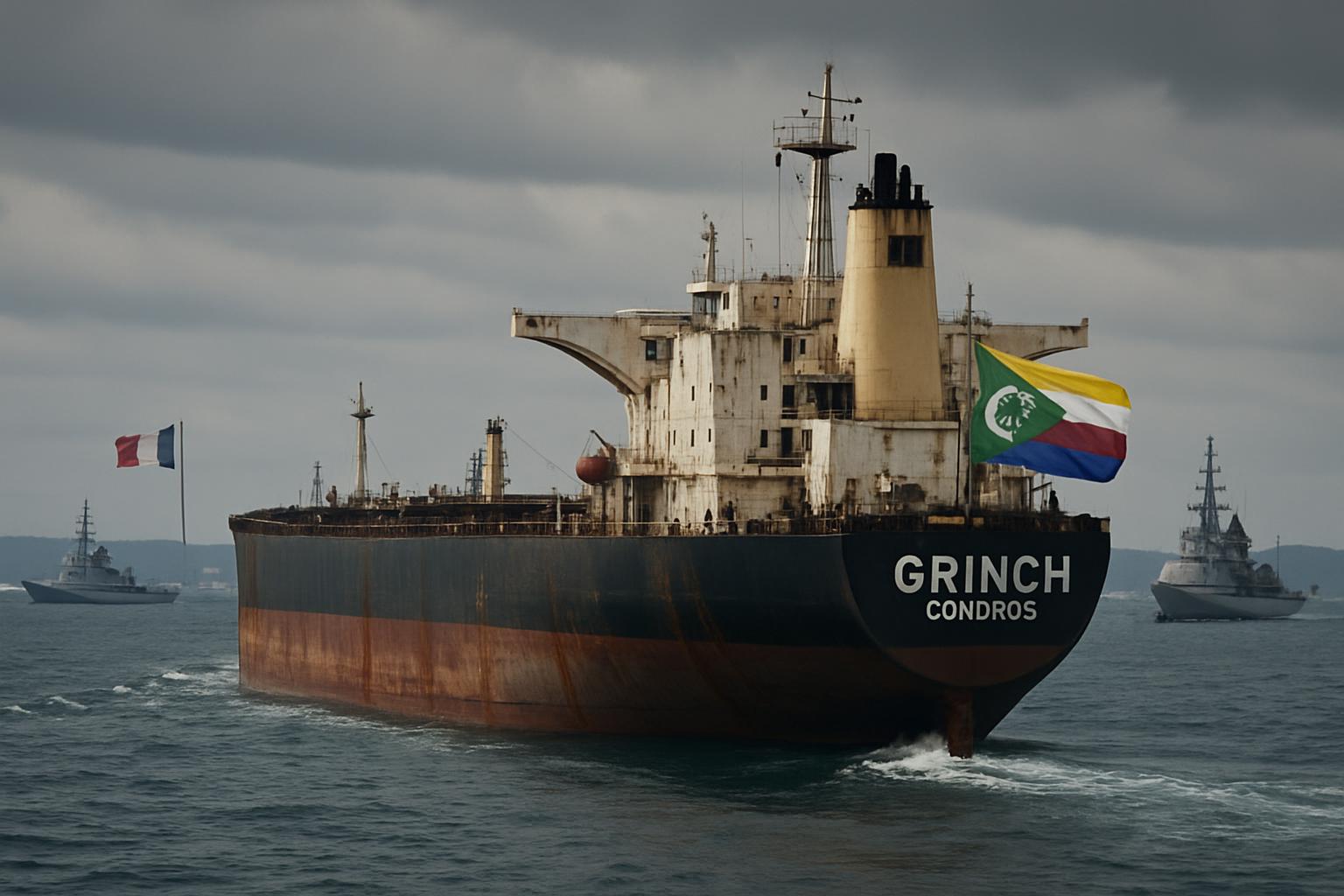
France Releases Russian 'Shadow Fleet' Tanker Amid Rising Tensions
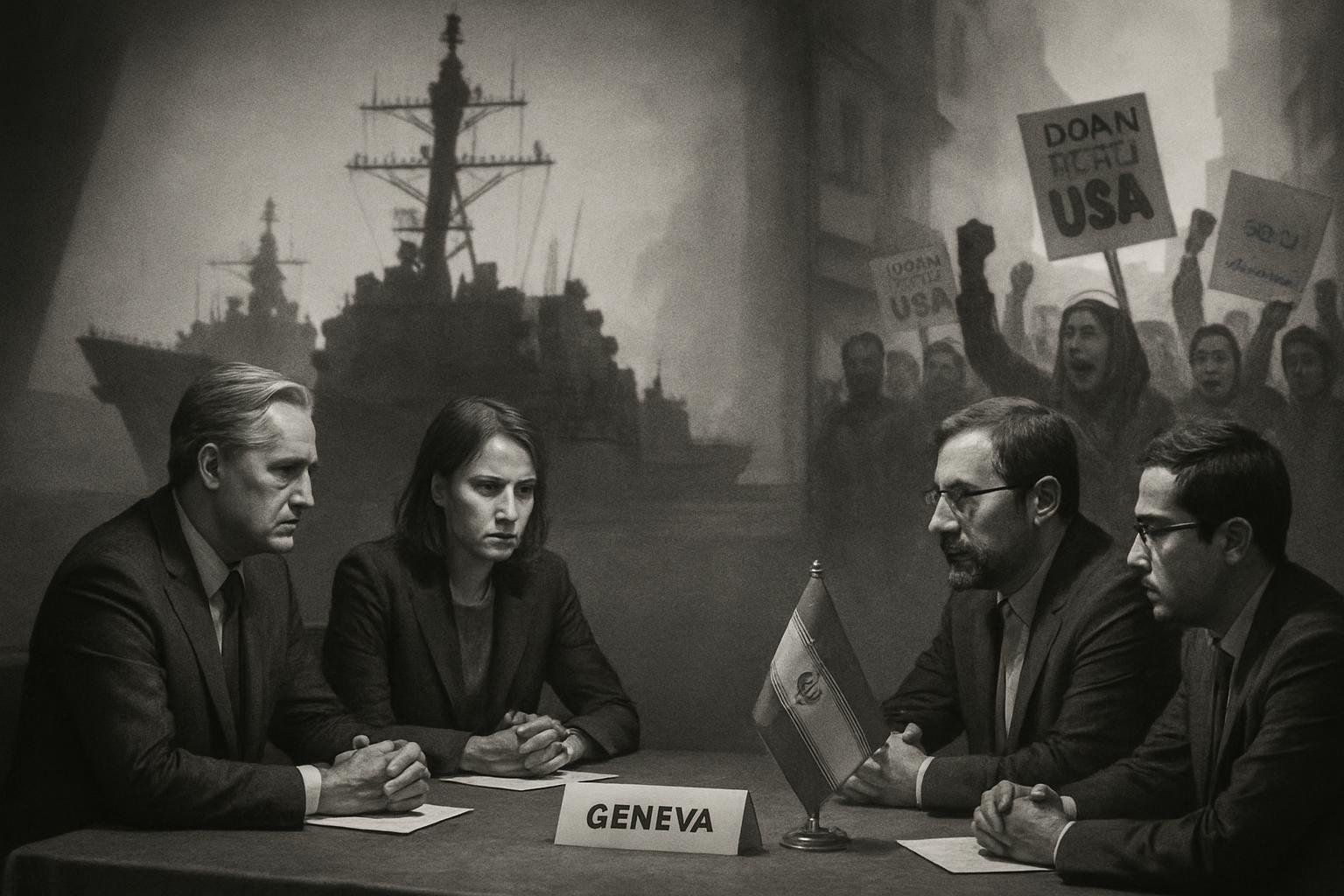
US-Iran Tensions Escalate Amid Renewed Nuclear Talks and Protests
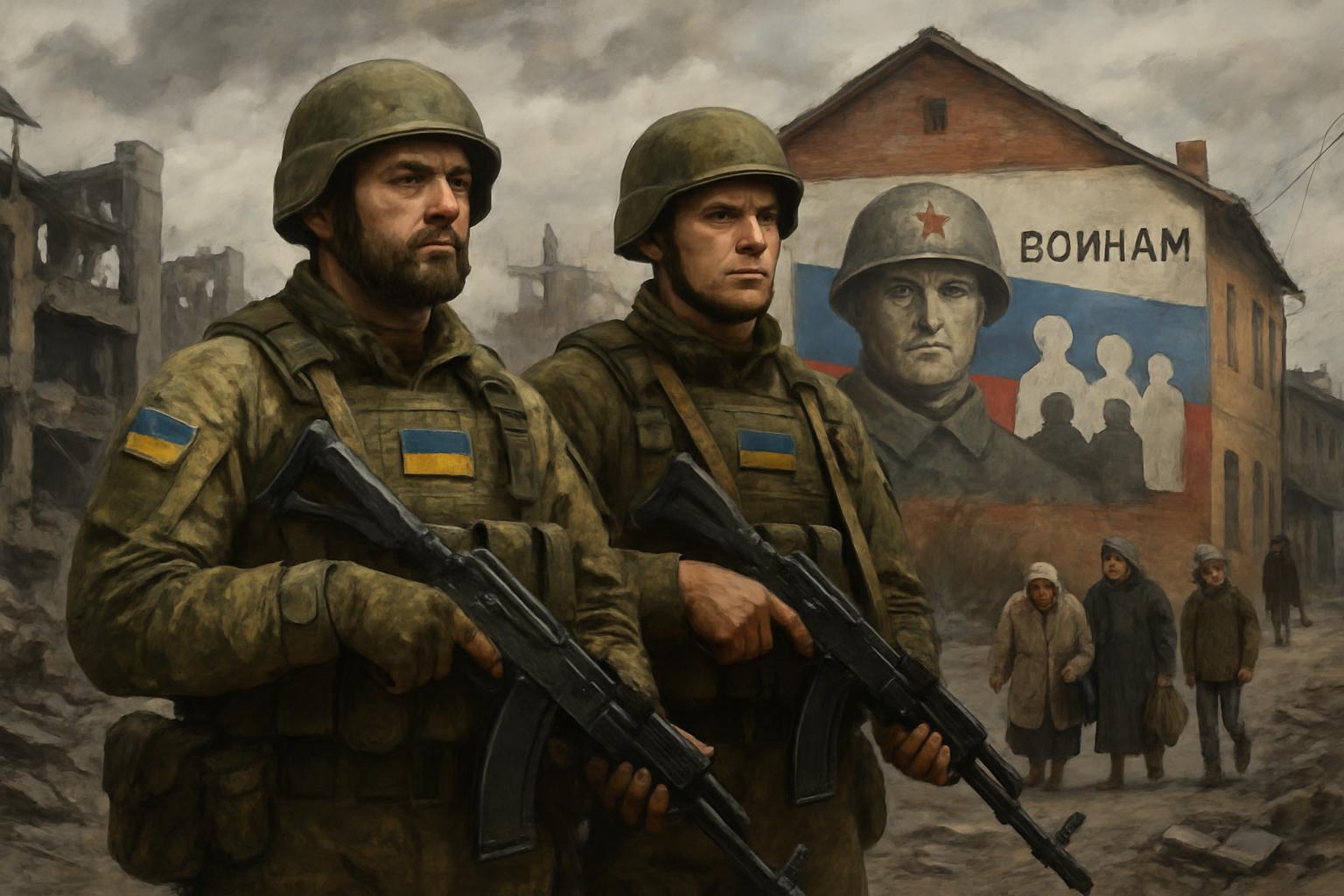
Russia-Ukraine Conflict: Four Years of Unyielding Struggle and Human Resilience
Stalemate in Ukraine Peace Talks as Putin Demands Territorial Concessions
In This Article
 Alex Carter| Published
 HIGHLIGHTS
- Vladimir Putin insists Ukraine must cede territory for peace, focusing on Crimea and Donbas regions.
- A draft peace plan discussed by the US and Ukraine could serve as a negotiation basis, but territorial issues remain unresolved.
- Ukrainian President Volodymyr Zelensky refuses to surrender land, maintaining a firm stance against Russian demands.
- US envoy Steve Witkoff is set to visit Moscow for further discussions, amid controversy over his alleged bias.
- European leaders express concerns that using frozen Russian assets for Ukraine could hinder peace efforts.
The ongoing conflict between Russia and Ukraine remains at an impasse as Russian President Vladimir Putin reiterates his demand for Ukraine to relinquish control over key territories, including Crimea and the Donbas region, as a precondition for peace. This stance was emphasized during Putin's recent address, where he insisted that Russian forces would only halt their offensive if Ukrainian troops withdrew from these areas.
Territorial Disputes at the Forefront
The territorial disputes, particularly concerning Crimea, annexed by Russia in 2014, and the Donbas region, continue to be a significant barrier to peace. Ukrainian President Volodymyr Zelensky has firmly rejected any notion of ceding land, with his chief of staff, Andriy Yermak, affirming that Ukraine will not sign away its territory under Zelensky's leadership. This unwavering position underscores the deep-seated tensions that persist between the two nations.
Draft Peace Plan and Diplomatic Efforts
A draft peace plan, reportedly discussed in Geneva by US and Ukrainian officials, has been shared with Moscow. While Putin acknowledged that the plan could serve as a basis for future negotiations, he emphasized the need for further discussions on specific points. The plan, however, does not address the core issue of territorial control, which remains a sticking point.
US Involvement and Controversies
US special envoy Steve Witkoff is expected to visit Moscow to continue diplomatic discussions. His involvement has sparked controversy following a leaked phone call suggesting bias towards Moscow. Despite these allegations, Putin dismissed the claims as "nonsense." The US's role in these negotiations is crucial, as it seeks to mediate a resolution that aligns with both Ukrainian sovereignty and Russian demands.
European Concerns and Broader Implications
European leaders, including Belgian Prime Minister Bart De Wever, have expressed concerns that the EU's plan to use frozen Russian assets to fund Ukraine could jeopardize potential peace deals. Additionally, human rights advocates warn that any agreement granting amnesty for war crimes could set a dangerous precedent for other authoritarian regimes.
WHAT THIS MIGHT MEAN
The path to peace in Ukraine remains fraught with challenges, primarily due to the unresolved territorial disputes. As diplomatic efforts continue, the involvement of US and European leaders will be pivotal in shaping the negotiations. Should Ukraine and Russia fail to reach a compromise, the conflict may persist, prolonging regional instability. Experts suggest that any peace agreement must balance territorial integrity with security guarantees to ensure a sustainable resolution. The international community's role in mediating these discussions will be crucial in preventing further escalation and fostering a lasting peace.
Related Articles
Geneva Talks See 'Meaningful Progress' Amid Tensions Over Ukraine-Russia Conflict
Geneva Peace Talks Between Russia and Ukraine End Without Breakthrough
Russian LNG Tanker Sinks in Mediterranean Amid Accusations of Ukrainian Drone Attack
France Releases Russian 'Shadow Fleet' Tanker Amid Rising Tensions
US-Iran Tensions Escalate Amid Renewed Nuclear Talks and Protests
Russia-Ukraine Conflict: Four Years of Unyielding Struggle and Human Resilience