
UPenn Agrees to Ban Transgender Athletes Following Federal Investigation
In This Article
HIGHLIGHTS
- The University of Pennsylvania will ban transgender athletes from women's sports following a federal civil rights investigation.
- The agreement requires UPenn to restore records and titles to female athletes affected by Lia Thomas' participation.
- The decision is part of the Trump administration's broader efforts to restrict transgender athletes in women's sports.
- UPenn must adhere to "biology-based definitions" of gender in compliance with federal guidelines.
- The NCAA has yet to respond to requests to update records affected by transgender participation.
The University of Pennsylvania has reached an agreement to prohibit transgender athletes from competing in women's sports, concluding a federal civil rights investigation that centered on swimmer Lia Thomas. This decision aligns with the Trump administration's broader initiative to restrict transgender participation in female sports categories.
Background and Investigation
The US Department of Education announced the resolution, which requires UPenn to apologize and restore records and titles to female athletes who were affected by Thomas' participation. Lia Thomas, who became the first openly transgender athlete to win a Division I national title in 2022, was at the heart of the investigation. The university must now adhere to "biology-based definitions" of male and female, as stipulated by federal guidelines.
Impact on Records and Titles
Under the agreement, UPenn will update its records to reflect current eligibility guidelines, although it remains unclear if Thomas' records will be erased. The university has committed to sending personalized apology letters to affected athletes. The NCAA, which governs collegiate sports, has not yet responded to federal requests to amend records impacted by transgender athletes.
Federal and Institutional Responses
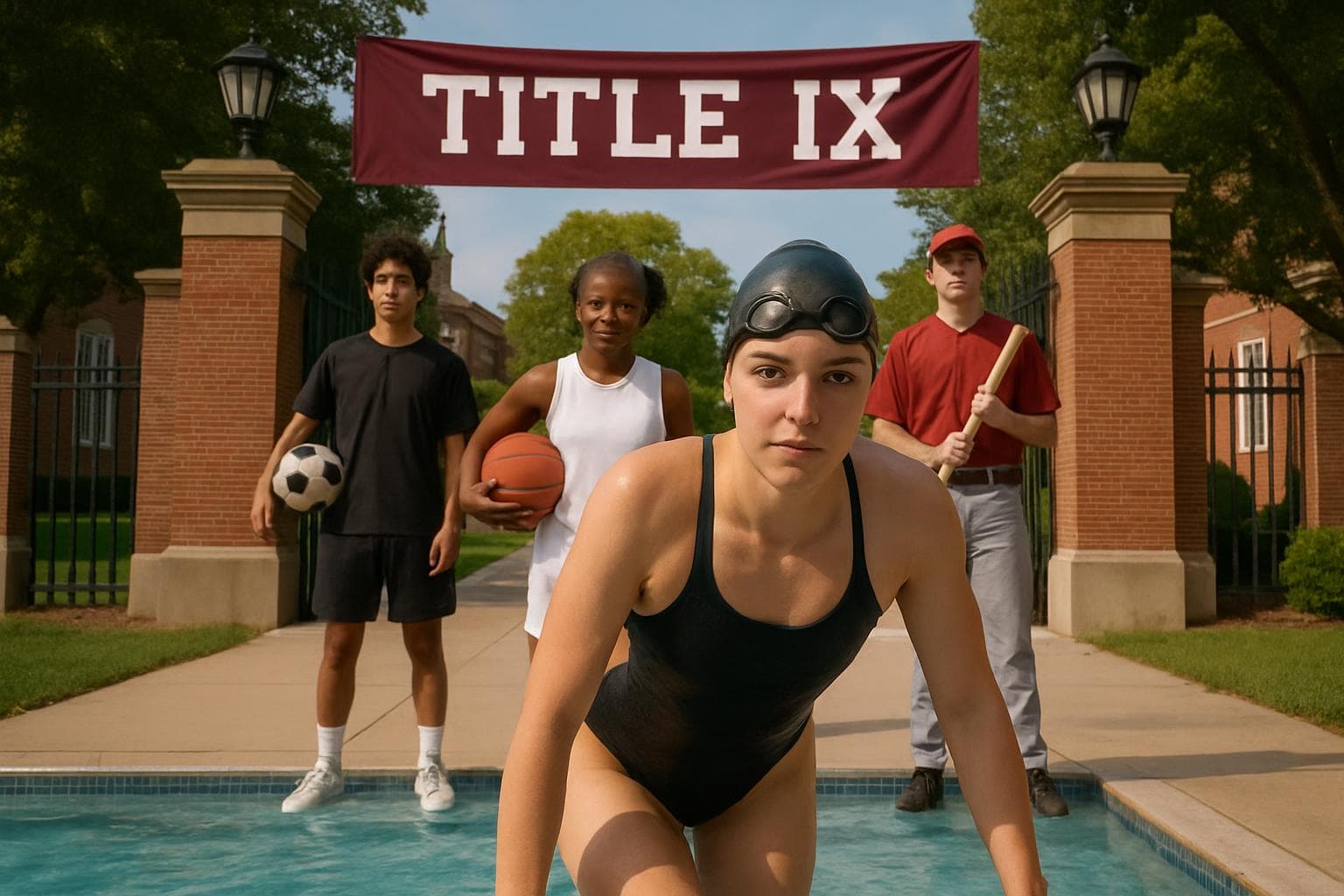
US Education Secretary Linda McMahon praised the agreement as a victory for women and girls, emphasizing the importance of enforcing Title IX, a 1972 law that prohibits sex-based discrimination in education. The investigation, initiated in February, concluded in April with findings that UPenn had violated Title IX. The university's previous policies were in line with NCAA criteria at the time, but it acknowledged the disadvantage experienced by some athletes.
Lia Thomas' Perspective
Lia Thomas, who competed for UPenn's women's swim team after transitioning, has defended her participation, stating that her transition was motivated by personal happiness rather than competitive advantage. Despite her achievements, Thomas has noted the small number of transgender athletes in collegiate sports.
WHAT THIS MIGHT MEAN
The resolution at UPenn could set a precedent for other institutions facing similar challenges regarding transgender athletes. As the NCAA and other sports organizations grapple with these complex issues, the debate over fairness and inclusion in sports is likely to continue. Legal experts suggest that future cases may further define the application of Title IX in the context of transgender rights. Meanwhile, the Trump administration's policies may face scrutiny and potential revision under subsequent administrations, impacting the landscape of collegiate athletics and civil rights.
Related Articles

Tech Giants Pledge to Cover AI Data Center Energy Costs Amid Rising Electricity Concerns

US Military Strikes on Alleged Drug Boats Raise Legal Concerns

Geneva Peace Talks: Russia and Ukraine Seek Resolution Amid Ongoing Conflict

Clintons to Testify as Epstein Files Spark Allegations of Cover-Up

Rubio Reaffirms US Commitment to Europe Amid Criticisms at Munich Conference

Don Lemon Pleads Not Guilty in Minnesota Church Protest Case
UPenn Agrees to Ban Transgender Athletes Following Federal Investigation
In This Article
 Marcus Blake| Published
 HIGHLIGHTS
- The University of Pennsylvania will ban transgender athletes from women's sports following a federal civil rights investigation.
- The agreement requires UPenn to restore records and titles to female athletes affected by Lia Thomas' participation.
- The decision is part of the Trump administration's broader efforts to restrict transgender athletes in women's sports.
- UPenn must adhere to "biology-based definitions" of gender in compliance with federal guidelines.
- The NCAA has yet to respond to requests to update records affected by transgender participation.
The University of Pennsylvania has reached an agreement to prohibit transgender athletes from competing in women's sports, concluding a federal civil rights investigation that centered on swimmer Lia Thomas. This decision aligns with the Trump administration's broader initiative to restrict transgender participation in female sports categories.
Background and Investigation
The US Department of Education announced the resolution, which requires UPenn to apologize and restore records and titles to female athletes who were affected by Thomas' participation. Lia Thomas, who became the first openly transgender athlete to win a Division I national title in 2022, was at the heart of the investigation. The university must now adhere to "biology-based definitions" of male and female, as stipulated by federal guidelines.
Impact on Records and Titles
Under the agreement, UPenn will update its records to reflect current eligibility guidelines, although it remains unclear if Thomas' records will be erased. The university has committed to sending personalized apology letters to affected athletes. The NCAA, which governs collegiate sports, has not yet responded to federal requests to amend records impacted by transgender athletes.
Federal and Institutional Responses
US Education Secretary Linda McMahon praised the agreement as a victory for women and girls, emphasizing the importance of enforcing Title IX, a 1972 law that prohibits sex-based discrimination in education. The investigation, initiated in February, concluded in April with findings that UPenn had violated Title IX. The university's previous policies were in line with NCAA criteria at the time, but it acknowledged the disadvantage experienced by some athletes.
Lia Thomas' Perspective
Lia Thomas, who competed for UPenn's women's swim team after transitioning, has defended her participation, stating that her transition was motivated by personal happiness rather than competitive advantage. Despite her achievements, Thomas has noted the small number of transgender athletes in collegiate sports.
WHAT THIS MIGHT MEAN
The resolution at UPenn could set a precedent for other institutions facing similar challenges regarding transgender athletes. As the NCAA and other sports organizations grapple with these complex issues, the debate over fairness and inclusion in sports is likely to continue. Legal experts suggest that future cases may further define the application of Title IX in the context of transgender rights. Meanwhile, the Trump administration's policies may face scrutiny and potential revision under subsequent administrations, impacting the landscape of collegiate athletics and civil rights.
Related Articles
Tech Giants Pledge to Cover AI Data Center Energy Costs Amid Rising Electricity Concerns
US Military Strikes on Alleged Drug Boats Raise Legal Concerns
Geneva Peace Talks: Russia and Ukraine Seek Resolution Amid Ongoing Conflict
Clintons to Testify as Epstein Files Spark Allegations of Cover-Up
Rubio Reaffirms US Commitment to Europe Amid Criticisms at Munich Conference
Don Lemon Pleads Not Guilty in Minnesota Church Protest Case