
US Envoy Visits Gaza Amid Escalating Humanitarian Crisis and Calls for Ceasefire

In This Article
HIGHLIGHTS
- US envoy Steve Witkoff is visiting Gaza to inspect food distribution and discuss aid plans with local Gazans and Israeli officials.
- The Gaza health ministry reports 111 people killed, including 91 while seeking aid, in the last 24 hours amid ongoing military actions.
- Israel has been accused of exacerbating Gaza's humanitarian crisis, though it denies restricting aid deliveries.
- The UN warns of a worsening famine in Gaza, with over 150 malnutrition deaths reported, including many children.
- International calls for a ceasefire and improved aid access are growing, with Cyprus planning to reactivate a sea route for aid delivery.
US special envoy Steve Witkoff is set to visit Gaza on Friday to assess the dire humanitarian situation and inspect food distribution sites, as confirmed by White House Press Secretary Karoline Leavitt. Accompanied by US Ambassador to Israel Mike Huckabee, Witkoff aims to secure a plan to enhance food delivery and engage with local Gazans to understand the challenges they face.
The visit comes amid reports from Gaza's health ministry that 111 people have been killed in the last 24 hours, with 91 of these deaths occurring as individuals sought aid. A particularly tragic incident at the Zikim crossing resulted in over 50 deaths and 400 injuries as people gathered for food distribution. The Israeli military has stated that only warning shots were fired, denying awareness of any casualties.
The humanitarian crisis in Gaza is deepening, with the UN and other agencies warning of a looming famine. Over 150 deaths from malnutrition have been reported, highlighting the severe food insecurity affecting the 2.1 million residents. Despite Israel's claims of unrestricted aid access, international bodies accuse it of contributing to the crisis through blockades.
Efforts to address the crisis include Cyprus's announcement of plans to reopen a sea route for aid delivery, which had previously facilitated the transport of 2,200 tonnes of aid. This move is part of broader international calls for a ceasefire and improved humanitarian access, as the situation in Gaza becomes increasingly untenable.
WHAT THIS MIGHT MEAN
The visit by US envoy Steve Witkoff could potentially pave the way for more effective aid distribution in Gaza, provided that discussions with Israeli and local authorities yield tangible results. However, the ongoing military actions and political tensions pose significant challenges to achieving a sustainable ceasefire and addressing the humanitarian needs.
If the international community, including countries like Cyprus, successfully implements alternative aid routes, it could alleviate some of the immediate suffering in Gaza. However, long-term solutions will require addressing the underlying political conflicts and ensuring consistent humanitarian access.
The situation remains precarious, with the potential for further escalation if diplomatic efforts do not lead to a ceasefire. The international community's response in the coming days will be crucial in determining the trajectory of the crisis and the prospects for peace in the region.
Related Articles

US-Iran Tensions Escalate Amid Renewed Nuclear Talks and Protests

US and Israel Intensify Military Campaign as Iran's Capabilities Dwindle

Intensified US-Israel Strikes on Iran Spark Global Outcry
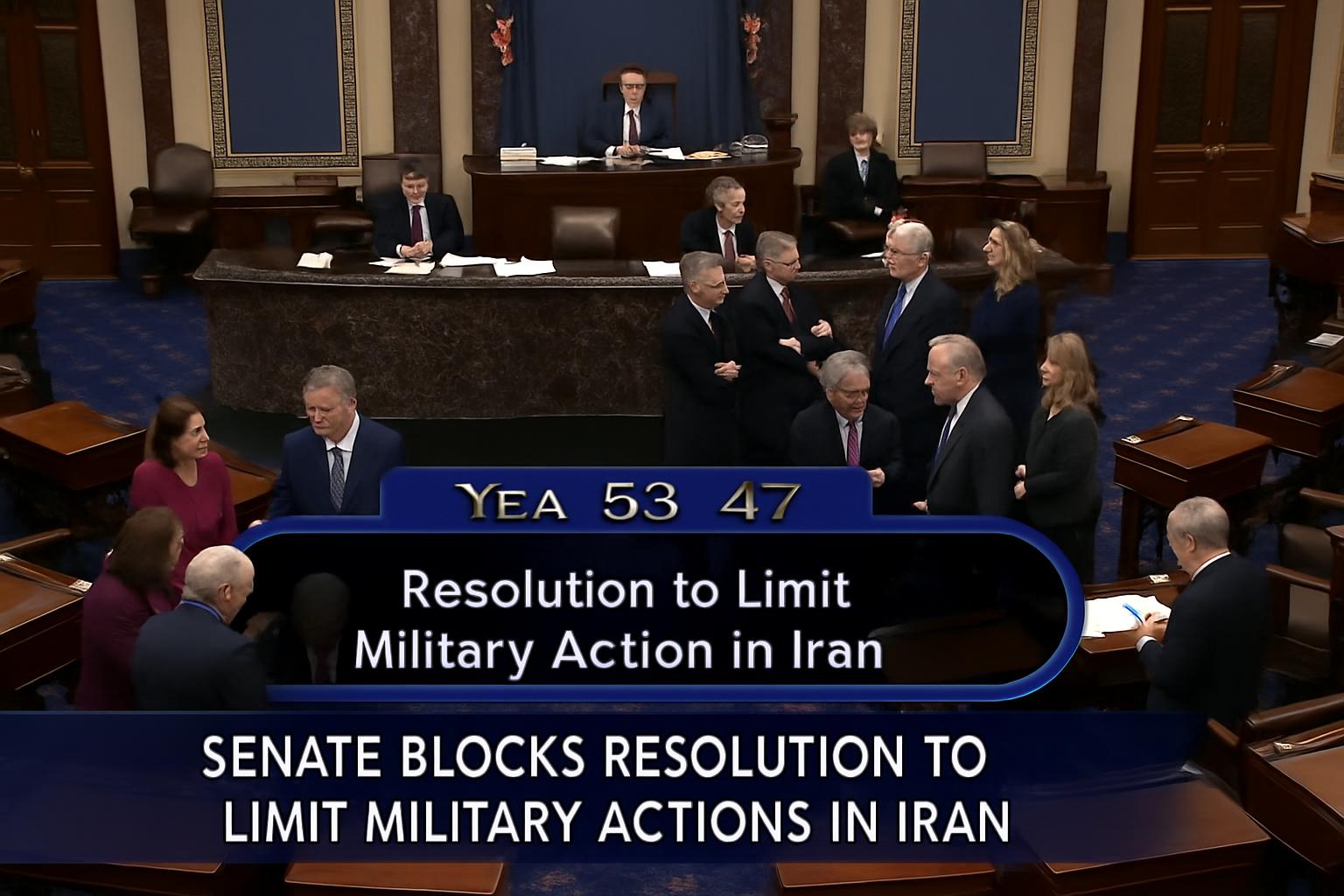
Senate Blocks Resolution to Limit Trump's Military Actions in Iran

Spain's Sánchez Stands Firm Against Trump's Trade Threat Over Iran Stance

Iran Postpones Khamenei Funeral Amid Escalating US-Israeli Strikes
US Envoy Visits Gaza Amid Escalating Humanitarian Crisis and Calls for Ceasefire
In This Article
 Ethan Brooks| Published
 HIGHLIGHTS
- US envoy Steve Witkoff is visiting Gaza to inspect food distribution and discuss aid plans with local Gazans and Israeli officials.
- The Gaza health ministry reports 111 people killed, including 91 while seeking aid, in the last 24 hours amid ongoing military actions.
- Israel has been accused of exacerbating Gaza's humanitarian crisis, though it denies restricting aid deliveries.
- The UN warns of a worsening famine in Gaza, with over 150 malnutrition deaths reported, including many children.
- International calls for a ceasefire and improved aid access are growing, with Cyprus planning to reactivate a sea route for aid delivery.
US special envoy Steve Witkoff is set to visit Gaza on Friday to assess the dire humanitarian situation and inspect food distribution sites, as confirmed by White House Press Secretary Karoline Leavitt. Accompanied by US Ambassador to Israel Mike Huckabee, Witkoff aims to secure a plan to enhance food delivery and engage with local Gazans to understand the challenges they face.
The visit comes amid reports from Gaza's health ministry that 111 people have been killed in the last 24 hours, with 91 of these deaths occurring as individuals sought aid. A particularly tragic incident at the Zikim crossing resulted in over 50 deaths and 400 injuries as people gathered for food distribution. The Israeli military has stated that only warning shots were fired, denying awareness of any casualties.
The humanitarian crisis in Gaza is deepening, with the UN and other agencies warning of a looming famine. Over 150 deaths from malnutrition have been reported, highlighting the severe food insecurity affecting the 2.1 million residents. Despite Israel's claims of unrestricted aid access, international bodies accuse it of contributing to the crisis through blockades.
Efforts to address the crisis include Cyprus's announcement of plans to reopen a sea route for aid delivery, which had previously facilitated the transport of 2,200 tonnes of aid. This move is part of broader international calls for a ceasefire and improved humanitarian access, as the situation in Gaza becomes increasingly untenable.
WHAT THIS MIGHT MEAN
The visit by US envoy Steve Witkoff could potentially pave the way for more effective aid distribution in Gaza, provided that discussions with Israeli and local authorities yield tangible results. However, the ongoing military actions and political tensions pose significant challenges to achieving a sustainable ceasefire and addressing the humanitarian needs.
If the international community, including countries like Cyprus, successfully implements alternative aid routes, it could alleviate some of the immediate suffering in Gaza. However, long-term solutions will require addressing the underlying political conflicts and ensuring consistent humanitarian access.
The situation remains precarious, with the potential for further escalation if diplomatic efforts do not lead to a ceasefire. The international community's response in the coming days will be crucial in determining the trajectory of the crisis and the prospects for peace in the region.
Related Articles
US-Iran Tensions Escalate Amid Renewed Nuclear Talks and Protests
US and Israel Intensify Military Campaign as Iran's Capabilities Dwindle
Intensified US-Israel Strikes on Iran Spark Global Outcry
Senate Blocks Resolution to Limit Trump's Military Actions in Iran
Spain's Sánchez Stands Firm Against Trump's Trade Threat Over Iran Stance
Iran Postpones Khamenei Funeral Amid Escalating US-Israeli Strikes