
US Institute of Peace Renamed for Trump Amid Legal Dispute
In This Article
HIGHLIGHTS
- The US Institute of Peace has been renamed the Donald J. Trump Institute of Peace amid ongoing legal disputes over its control.
- The renaming coincides with a peace agreement signing between Rwanda and the Democratic Republic of Congo at the institute.
- Trump's administration has faced criticism for its aggressive takeover of the institute, which a federal judge previously ruled illegal.
- The renaming is part of a broader trend of rebranding initiatives under Trump, including changes to the Department of Defense and geographical names.
- Legal proceedings continue as the former leadership of the institute challenges the administration's actions in federal court.
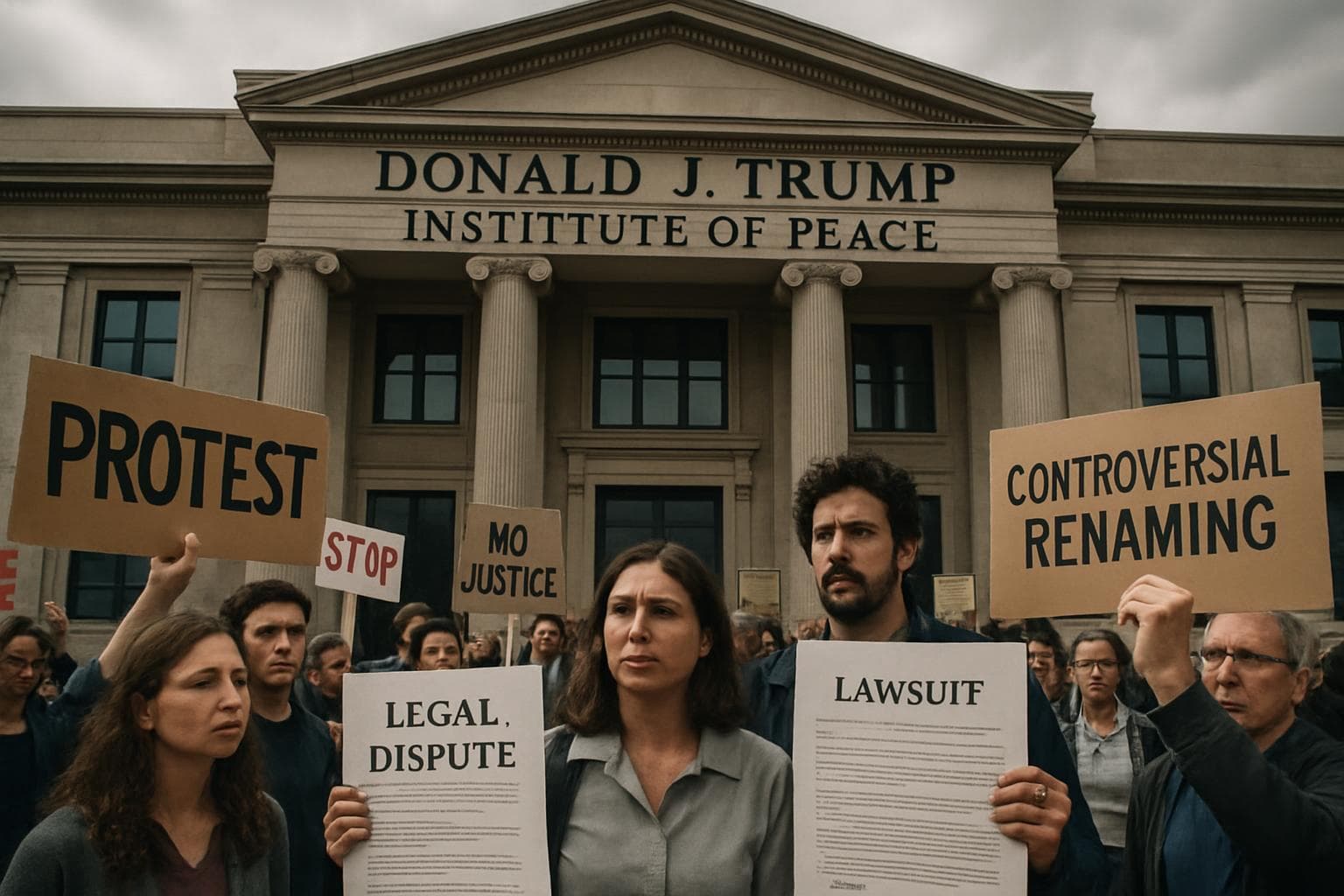
The US Institute of Peace (USIP) has been officially renamed the Donald J. Trump Institute of Peace, a move that has sparked controversy and legal challenges. The renaming, announced by the Department of State on Wednesday, comes as the institute prepares to host a peace agreement signing between Rwanda and the Democratic Republic of Congo.
Renaming Amidst Legal Battle
The decision to rename the USIP has been met with significant opposition, as it is embroiled in a legal battle over control of the organization. The Trump administration's efforts to rebrand the institute have been described as part of a broader strategy to exert influence over independent entities. The administration's takeover of the institute, which involved ousting its board and staff, was previously deemed illegal by a federal judge. However, the ruling is currently stayed pending appeal, allowing the government to maintain control.
A Symbol of Trump's Diplomatic Ambitions
The renaming aligns with President Trump's ongoing campaign to highlight his diplomatic achievements, including his pursuit of a Nobel Peace Prize. The Department of State justified the change by calling Trump "the greatest dealmaker in our nation's history." White House deputy press secretary Anna Kelly echoed this sentiment, celebrating the renaming as a testament to Trump's leadership in global diplomacy.
Broader Rebranding Efforts
This renaming is part of a series of rebranding initiatives under Trump's administration. Earlier this year, the Department of Defense was rebranded as the Department of War, and geographical names such as the Gulf of Mexico and Denali were also changed. These moves have been met with mixed reactions, with some viewing them as attempts to cement Trump's legacy.
Ongoing Legal Proceedings
The legal battle over the institute's control continues, with former leadership challenging the administration's actions in federal court. George Foote, a lawyer representing the former leadership, criticized the renaming as adding "insult to injury." The outcome of this legal dispute remains uncertain, as the case awaits a final decision in the federal appeals court.
WHAT THIS MIGHT MEAN
The renaming of the US Institute of Peace could have significant implications for its future operations and reputation. If the courts ultimately rule against the Trump administration, the institute may regain its independence, potentially restoring its original mission. However, if the administration's control is upheld, it could set a precedent for further executive influence over independent organizations. Experts suggest that the ongoing legal battle may also impact the institute's ability to effectively engage in peace initiatives, as uncertainty over its leadership and direction persists. As the situation unfolds, the institute's role in global diplomacy and conflict resolution remains in the balance.
Related Articles

Don Lemon Pleads Not Guilty in Minnesota Church Protest Case
Spain's Sánchez Stands Firm Against Trump's Trade Threat Over Iran Stance
Trump Criticizes Supreme Court After Tariff Ruling, Imposes New Global Tariff

US-Iran Tensions Escalate Amid Military Buildup and Diplomatic Talks

US Military Strikes on Alleged Drug Boats Raise Legal Concerns

Geneva Peace Talks: Russia and Ukraine Seek Resolution Amid Ongoing Conflict
US Institute of Peace Renamed for Trump Amid Legal Dispute
In This Article
 Ethan Brooks| Published
 HIGHLIGHTS
- The US Institute of Peace has been renamed the Donald J. Trump Institute of Peace amid ongoing legal disputes over its control.
- The renaming coincides with a peace agreement signing between Rwanda and the Democratic Republic of Congo at the institute.
- Trump's administration has faced criticism for its aggressive takeover of the institute, which a federal judge previously ruled illegal.
- The renaming is part of a broader trend of rebranding initiatives under Trump, including changes to the Department of Defense and geographical names.
- Legal proceedings continue as the former leadership of the institute challenges the administration's actions in federal court.
The US Institute of Peace (USIP) has been officially renamed the Donald J. Trump Institute of Peace, a move that has sparked controversy and legal challenges. The renaming, announced by the Department of State on Wednesday, comes as the institute prepares to host a peace agreement signing between Rwanda and the Democratic Republic of Congo.
Renaming Amidst Legal Battle
The decision to rename the USIP has been met with significant opposition, as it is embroiled in a legal battle over control of the organization. The Trump administration's efforts to rebrand the institute have been described as part of a broader strategy to exert influence over independent entities. The administration's takeover of the institute, which involved ousting its board and staff, was previously deemed illegal by a federal judge. However, the ruling is currently stayed pending appeal, allowing the government to maintain control.
A Symbol of Trump's Diplomatic Ambitions
The renaming aligns with President Trump's ongoing campaign to highlight his diplomatic achievements, including his pursuit of a Nobel Peace Prize. The Department of State justified the change by calling Trump "the greatest dealmaker in our nation's history." White House deputy press secretary Anna Kelly echoed this sentiment, celebrating the renaming as a testament to Trump's leadership in global diplomacy.
Broader Rebranding Efforts
This renaming is part of a series of rebranding initiatives under Trump's administration. Earlier this year, the Department of Defense was rebranded as the Department of War, and geographical names such as the Gulf of Mexico and Denali were also changed. These moves have been met with mixed reactions, with some viewing them as attempts to cement Trump's legacy.
Ongoing Legal Proceedings
The legal battle over the institute's control continues, with former leadership challenging the administration's actions in federal court. George Foote, a lawyer representing the former leadership, criticized the renaming as adding "insult to injury." The outcome of this legal dispute remains uncertain, as the case awaits a final decision in the federal appeals court.
WHAT THIS MIGHT MEAN
The renaming of the US Institute of Peace could have significant implications for its future operations and reputation. If the courts ultimately rule against the Trump administration, the institute may regain its independence, potentially restoring its original mission. However, if the administration's control is upheld, it could set a precedent for further executive influence over independent organizations. Experts suggest that the ongoing legal battle may also impact the institute's ability to effectively engage in peace initiatives, as uncertainty over its leadership and direction persists. As the situation unfolds, the institute's role in global diplomacy and conflict resolution remains in the balance.
Related Articles
Don Lemon Pleads Not Guilty in Minnesota Church Protest Case
Spain's Sánchez Stands Firm Against Trump's Trade Threat Over Iran Stance
Trump Criticizes Supreme Court After Tariff Ruling, Imposes New Global Tariff
US-Iran Tensions Escalate Amid Military Buildup and Diplomatic Talks
US Military Strikes on Alleged Drug Boats Raise Legal Concerns
Geneva Peace Talks: Russia and Ukraine Seek Resolution Amid Ongoing Conflict