
US State Department Reverts to Times New Roman in Typographical Shift
In This Article
HIGHLIGHTS
- US Secretary of State Marco Rubio has mandated a return to Times New Roman for official documents, reversing a previous switch to Calibri.
- The change, effective 10 December, aligns with President Trump's directive for a unified professional voice in government communications.
- Calibri was initially adopted in 2023 for its accessibility benefits, particularly for individuals with visual disabilities.
- The decision is part of broader efforts by the Trump administration to roll back diversity, equity, and inclusion initiatives.
- Critics argue the move undermines accessibility, while supporters claim it restores professionalism.
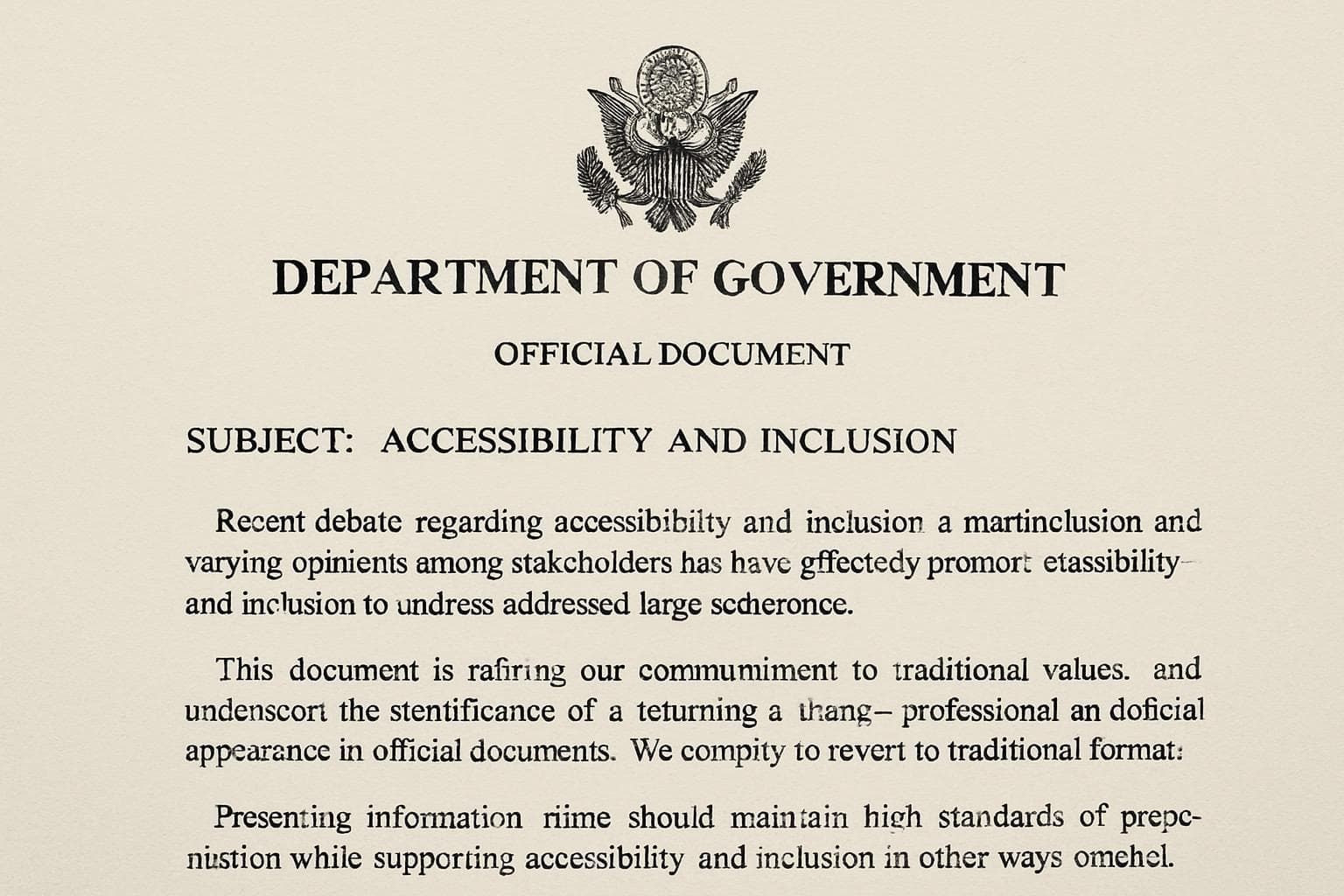
In a significant typographical shift, US Secretary of State Marco Rubio has ordered the return to Times New Roman for all official communications, reversing a decision made under the Biden administration to use Calibri. This change, set to take effect on 10 December, is part of a broader initiative by the Trump administration to present a unified and professional voice in government correspondence.
A Return to Tradition
The decision to revert to Times New Roman, a serif typeface known for its formal appearance, comes after Calibri was adopted in 2023 under former Secretary of State Antony Blinken. Calibri, a sans-serif typeface, was chosen for its accessibility benefits, particularly for those with visual impairments. However, Rubio criticized this as a "wasteful" diversity initiative, emphasizing the need for a more traditional and professional look in official documents.
Aligning with Presidential Directives
A state department spokesperson highlighted that the change aligns with President Donald Trump's "One Voice for America’s Foreign Relations" directive, which aims to ensure consistency and formality in government communications. This move is part of a broader effort by the Trump administration to dismantle diversity, equity, and inclusion (DEI) initiatives, which have been criticized by some conservatives as discriminatory.
Debate Over Accessibility and Professionalism
The decision has sparked debate over the balance between accessibility and professionalism. Lucas de Groot, the designer of Calibri, expressed disappointment, noting that Calibri was designed to enhance readability on modern screens. Critics argue that the shift undermines accessibility for individuals with disabilities, while supporters claim it restores decorum to official documents.
WHAT THIS MIGHT MEAN
The return to Times New Roman may set a precedent for other government agencies to follow suit, potentially impacting accessibility standards across federal communications. As the Trump administration continues to roll back DEI initiatives, this decision could further polarize opinions on the role of diversity and accessibility in government policy. Experts suggest that while the move may streamline the appearance of official documents, it could also face legal challenges from advocacy groups championing accessibility rights.
Related Articles

Bad Bunny's Super Bowl Show: A Celebration of Puerto Rican Culture and Unity

US Military Strikes on Alleged Drug Boats Raise Legal Concerns

US Job Market Surges in January Amidst Economic Uncertainty

Tech Giants Pledge to Cover AI Data Center Energy Costs Amid Rising Electricity Concerns

Geneva Peace Talks: Russia and Ukraine Seek Resolution Amid Ongoing Conflict
Clintons to Testify as Epstein Files Spark Allegations of Cover-Up
US State Department Reverts to Times New Roman in Typographical Shift
In This Article
HIGHLIGHTS
- US Secretary of State Marco Rubio has mandated a return to Times New Roman for official documents, reversing a previous switch to Calibri.
- The change, effective 10 December, aligns with President Trump's directive for a unified professional voice in government communications.
- Calibri was initially adopted in 2023 for its accessibility benefits, particularly for individuals with visual disabilities.
- The decision is part of broader efforts by the Trump administration to roll back diversity, equity, and inclusion initiatives.
- Critics argue the move undermines accessibility, while supporters claim it restores professionalism.
In a significant typographical shift, US Secretary of State Marco Rubio has ordered the return to Times New Roman for all official communications, reversing a decision made under the Biden administration to use Calibri. This change, set to take effect on 10 December, is part of a broader initiative by the Trump administration to present a unified and professional voice in government correspondence.
A Return to Tradition
The decision to revert to Times New Roman, a serif typeface known for its formal appearance, comes after Calibri was adopted in 2023 under former Secretary of State Antony Blinken. Calibri, a sans-serif typeface, was chosen for its accessibility benefits, particularly for those with visual impairments. However, Rubio criticized this as a "wasteful" diversity initiative, emphasizing the need for a more traditional and professional look in official documents.
Aligning with Presidential Directives
A state department spokesperson highlighted that the change aligns with President Donald Trump's "One Voice for America’s Foreign Relations" directive, which aims to ensure consistency and formality in government communications. This move is part of a broader effort by the Trump administration to dismantle diversity, equity, and inclusion (DEI) initiatives, which have been criticized by some conservatives as discriminatory.
Debate Over Accessibility and Professionalism
The decision has sparked debate over the balance between accessibility and professionalism. Lucas de Groot, the designer of Calibri, expressed disappointment, noting that Calibri was designed to enhance readability on modern screens. Critics argue that the shift undermines accessibility for individuals with disabilities, while supporters claim it restores decorum to official documents.
WHAT THIS MIGHT MEAN
The return to Times New Roman may set a precedent for other government agencies to follow suit, potentially impacting accessibility standards across federal communications. As the Trump administration continues to roll back DEI initiatives, this decision could further polarize opinions on the role of diversity and accessibility in government policy. Experts suggest that while the move may streamline the appearance of official documents, it could also face legal challenges from advocacy groups championing accessibility rights.
Related Articles
Bad Bunny's Super Bowl Show: A Celebration of Puerto Rican Culture and Unity
US Military Strikes on Alleged Drug Boats Raise Legal Concerns
US Job Market Surges in January Amidst Economic Uncertainty
Tech Giants Pledge to Cover AI Data Center Energy Costs Amid Rising Electricity Concerns
Geneva Peace Talks: Russia and Ukraine Seek Resolution Amid Ongoing Conflict
Clintons to Testify as Epstein Files Spark Allegations of Cover-Up