
Women's Institute to Exclude Trans Women Following Supreme Court Ruling
In This Article
HIGHLIGHTS
- The Women's Institute will restrict membership to biological women from April 2026, following a Supreme Court ruling.
- The decision affects the WI's 175,000 members and follows similar actions by Girlguiding.
- A new network of "sisterhood groups" will be created to support trans women.
- The Supreme Court ruled that "woman" and "sex" in the Equality Act refer to biological definitions.
- The Equality and Human Rights Commission is expected to update its guidelines on the ruling.
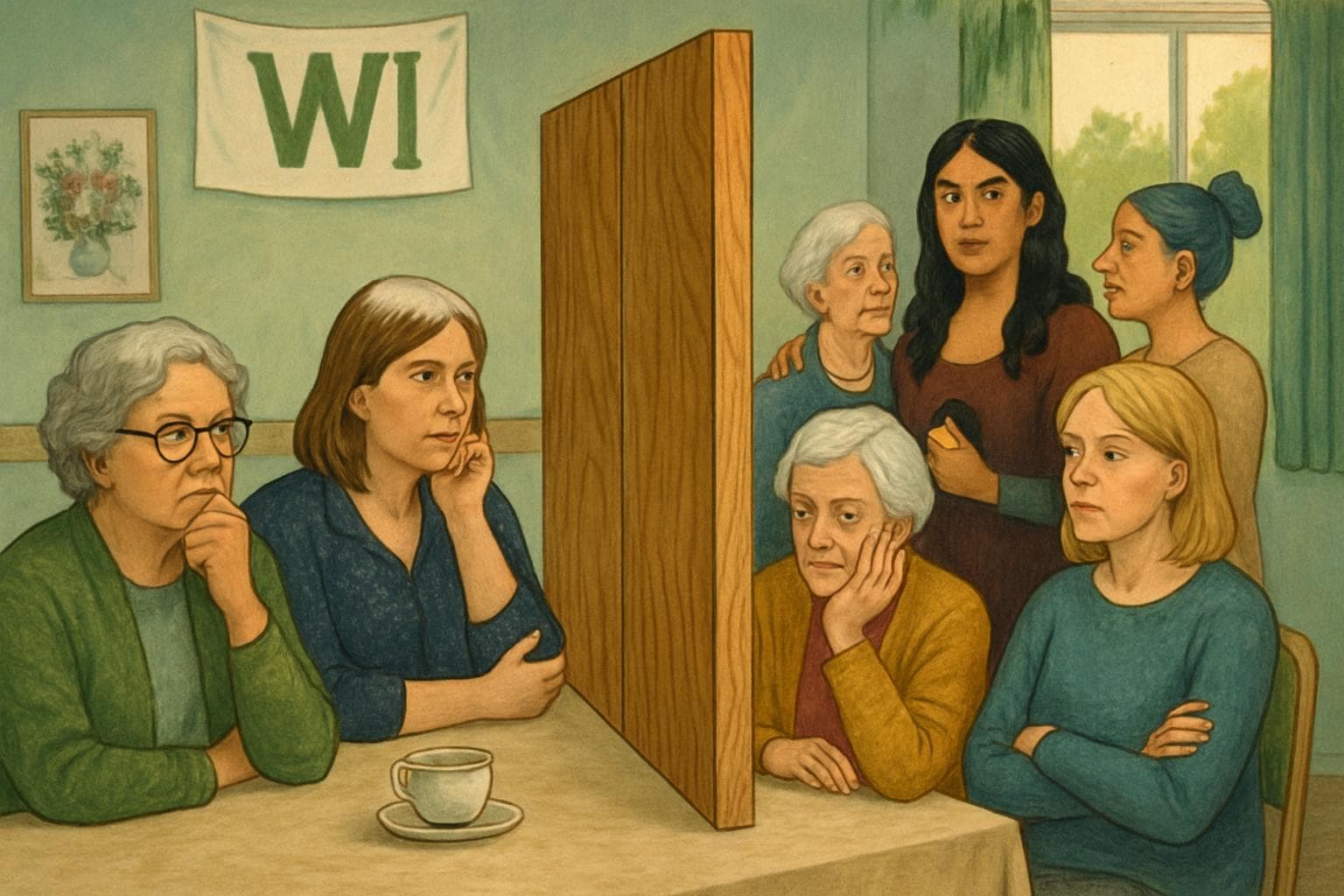
The Women's Institute (WI), a cornerstone of community and advocacy for women across the UK, has announced a significant policy shift: from April 2026, membership will be restricted to individuals registered female at birth. This decision comes in the wake of a Supreme Court ruling that legally defines "woman" and "sex" based on biological criteria under the Equality Act.
Impact on Membership and Community
With over 175,000 members, the WI has been a bastion of female empowerment for over a century. The decision to exclude transgender women, described by WI Chief Executive Melissa Green as made with "utmost regret and sadness," reflects a legal necessity rather than a change in the organization's values. "Transgender women are women," Green emphasized, underscoring the WI's commitment to inclusivity despite the legal constraints.
New Initiatives for Inclusivity
In response to the ruling, the WI plans to establish "sisterhood groups," which will provide a trans-inclusive space for friendship and support. These groups aim to continue the WI's tradition of community and advocacy, offering a platform for exploring what it means to be a woman in the 21st century. This initiative mirrors a similar move by Girlguiding, which recently announced it would no longer accept trans girls as members.
Legal and Social Context
The Supreme Court's decision has sparked widespread debate about the interpretation of the Equality Act, which previously allowed for more inclusive definitions of gender. The Equality and Human Rights Commission (EHRC) is expected to release updated guidelines to help organizations navigate these changes. Critics, including Labour MP Rachel Taylor, argue that the draft guidance extends beyond the court's ruling, potentially undermining the rights of both women and transgender individuals.
Voices of Concern and Support
The Trans+ Solidarity Alliance has criticized the government's handling of the issue, highlighting the emotional toll on communities that have long embraced inclusivity. "Imagine being a group that has welcomed trans members for generations being told who you can and cannot associate with," said founder Jude Guaitamacchi, calling the situation a failure to protect human rights.
WHAT THIS MIGHT MEAN
The Women's Institute's decision could set a precedent for other single-sex organizations grappling with similar legal challenges. As the EHRC prepares to release its updated guidelines, organizations across the UK will be closely watching to determine how best to align their policies with the new legal landscape. The ongoing debate may also influence future legislative efforts to balance the rights of biological and transgender women, potentially leading to further legal clarifications or reforms.
Related Articles
Scottish Government Defends Transgender Prisoner Policy Amid Legal Challenge
High Court Dismisses Legal Challenge Over Transgender Access to Hampstead Ponds
High Court Upholds Guidance on Single-Sex Spaces Amidst Transgender Rights Debate
Trump's New Tariff Strategy Sparks Global Trade Uncertainty

Trump Raises Import Tariffs to 15% After Supreme Court Setback
Starmer Condemns Reform UK's Plan to Repeal Equality Act as Un-British
Women's Institute to Exclude Trans Women Following Supreme Court Ruling
In This Article
 Alex Carter| Published
 HIGHLIGHTS
- The Women's Institute will restrict membership to biological women from April 2026, following a Supreme Court ruling.
- The decision affects the WI's 175,000 members and follows similar actions by Girlguiding.
- A new network of "sisterhood groups" will be created to support trans women.
- The Supreme Court ruled that "woman" and "sex" in the Equality Act refer to biological definitions.
- The Equality and Human Rights Commission is expected to update its guidelines on the ruling.
The Women's Institute (WI), a cornerstone of community and advocacy for women across the UK, has announced a significant policy shift: from April 2026, membership will be restricted to individuals registered female at birth. This decision comes in the wake of a Supreme Court ruling that legally defines "woman" and "sex" based on biological criteria under the Equality Act.
Impact on Membership and Community
With over 175,000 members, the WI has been a bastion of female empowerment for over a century. The decision to exclude transgender women, described by WI Chief Executive Melissa Green as made with "utmost regret and sadness," reflects a legal necessity rather than a change in the organization's values. "Transgender women are women," Green emphasized, underscoring the WI's commitment to inclusivity despite the legal constraints.
New Initiatives for Inclusivity
In response to the ruling, the WI plans to establish "sisterhood groups," which will provide a trans-inclusive space for friendship and support. These groups aim to continue the WI's tradition of community and advocacy, offering a platform for exploring what it means to be a woman in the 21st century. This initiative mirrors a similar move by Girlguiding, which recently announced it would no longer accept trans girls as members.
Legal and Social Context
The Supreme Court's decision has sparked widespread debate about the interpretation of the Equality Act, which previously allowed for more inclusive definitions of gender. The Equality and Human Rights Commission (EHRC) is expected to release updated guidelines to help organizations navigate these changes. Critics, including Labour MP Rachel Taylor, argue that the draft guidance extends beyond the court's ruling, potentially undermining the rights of both women and transgender individuals.
Voices of Concern and Support
The Trans+ Solidarity Alliance has criticized the government's handling of the issue, highlighting the emotional toll on communities that have long embraced inclusivity. "Imagine being a group that has welcomed trans members for generations being told who you can and cannot associate with," said founder Jude Guaitamacchi, calling the situation a failure to protect human rights.
WHAT THIS MIGHT MEAN
The Women's Institute's decision could set a precedent for other single-sex organizations grappling with similar legal challenges. As the EHRC prepares to release its updated guidelines, organizations across the UK will be closely watching to determine how best to align their policies with the new legal landscape. The ongoing debate may also influence future legislative efforts to balance the rights of biological and transgender women, potentially leading to further legal clarifications or reforms.
Related Articles
Scottish Government Defends Transgender Prisoner Policy Amid Legal Challenge
High Court Dismisses Legal Challenge Over Transgender Access to Hampstead Ponds
High Court Upholds Guidance on Single-Sex Spaces Amidst Transgender Rights Debate
Trump's New Tariff Strategy Sparks Global Trade Uncertainty
Trump Raises Import Tariffs to 15% After Supreme Court Setback
Starmer Condemns Reform UK's Plan to Repeal Equality Act as Un-British